Kesan Kualiti Udara Terhadap Kesihatan: Apa Yang Boleh Anda Lakukan Mengenainya?
08 Nov, 2023
 Pasukan Healthtrip
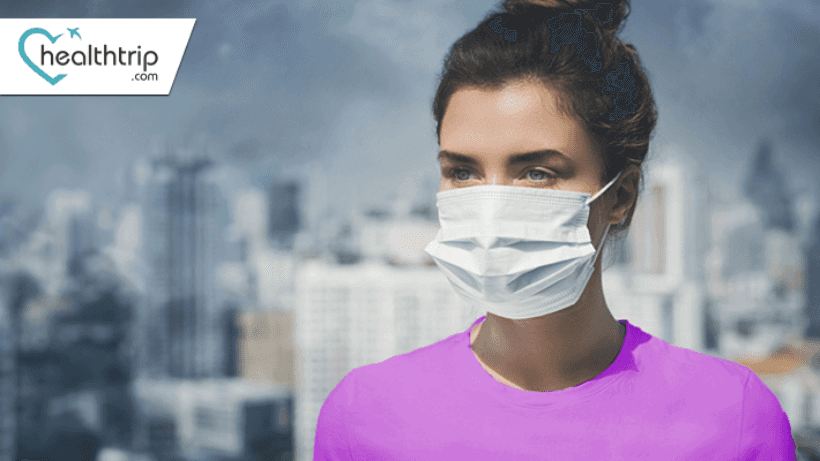
Air quality is an invisible, often neglected aspect of our environment that has a profound impact on our health and wellbeing. With industrial growth, increased vehicle usage, and energy production continuing to escalate, air pollution has become a critical health hazard globally. The World Health Organization (WHO) has classified it as the world's largest single environmental health risk, linking poor air quality to millions of premature deaths each year. In this article, we will explore the health impacts of air quality and discuss practical steps that individuals can take to mitigate these effects and protect their health.
Prosedur paling popular dalam India


The Health Impacts of Poor Air Quality:
1. Respiratory Issues: The air we breathe can sometimes be a cocktail of pollutants, including particulate matter, ozone, nitrogen dioxide, and sulfur dioxide, among others. Each breath can carry these contaminants into our lungs, where they can cause inflammation and damage the respiratory tract. People with asthma or chronic obstructive pulmonary disease (COPD) often experience aggravated symptoms when pollution levels are high—more frequent attacks, increased use of medication, and more hospital visits. However, even healthy individuals are not immune; prolonged exposure to polluted air has been linked to the development of asthma and other chronic respiratory diseases in previously healthy people. The risk of developing lung cancer also rises with long-term exposure to polluted air, particularly for those exposed to fine particulates and carcinogenic compounds found in urban smog.

Rawatan Kesihatan
Beri diri anda masa untuk berehat
Harga Terendah Dijamin!

Harga Terendah Dijamin!
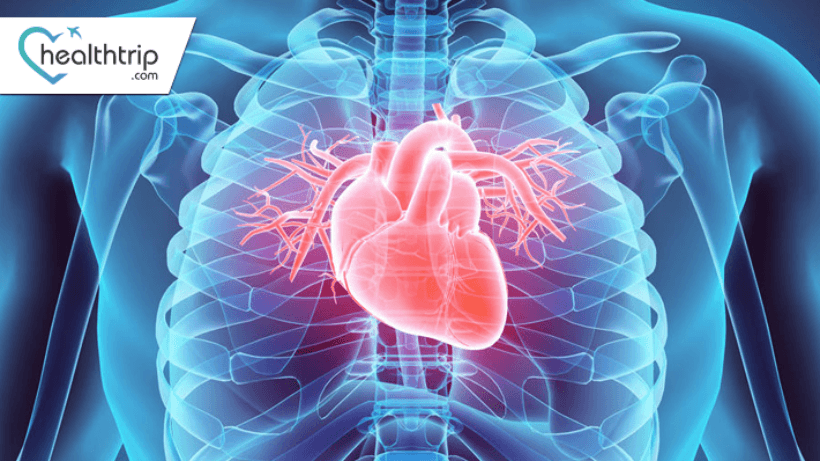
2. Cardiovascular Diseases: Beyond the lungs, the impact of air pollution extends to the heart and blood vessels. The fine particles in smog are small enough to pass through the lungs and into the bloodstream, where they can trigger inflammation and oxidative stress—a process that damages cells and is thought to accelerate plaque build-up in arteries. This condition, known as atherosclerosis, can lead to heart attacks and strokes. Even short-term exposure can increase the immediate risk of a cardiac event, while long-term exposure can lead to chronic cardiovascular diseases. Moreover, there are emerging studies suggesting that air pollution may increase blood pressure and contribute to heart failure.
3. Impaired Cognitive Function: The insidious reach of air pollution may also cloud our mental capabilities. While the research is still evolving, a growing body of evidence suggests that exposure to high pollution levels is associated with diminished cognitive functions across all ages. For the elderly, the concern is more pronounced as studies link poor air quality to an increased risk of neurodegenerative diseases, including Alzheimer's and Parkinson's disease. Children exposed to high levels of air pollution may face developmental delays and deficits in memory, attention span, and even IQ levels. These pollutants may affect the brain directly by crossing the blood-brain barrier or indirectly by causing systemic inflammation that affects brain health.
697 pesakit dari India pilih pakej ini untuk mereka Pakej Pemindahan Hati

4. Vulnerable Populations: Certain groups bear a disproportionate share of the air pollution burden. The young, whose bodies and brains are still developing, are at significant risk. Exposures that would not harm adults can have profound impacts on the growth and functioning of children's organs and systems. Similarly, the elderly, with their aging bodies and often compromised health, are more susceptible to the effects of polluted air. Pre-existing conditions such as heart and lung diseases can be drastically exacerbated by poor air quality, leading to increased mortality rates. Pregnant women exposed to polluted air may risk adverse birth outcomes, including low birth weight and preterm births. Low-income communities and some racial and ethnic groups are often more exposed to high levels of air pollution, adding an extra layer of health inequity to the already vulnerable populations.
What Can You Do About It?
The quality of the air we breathe is not solely out of our control. While it is a complex problem, there are practical steps each of us can take to reduce air pollution and protect our health.
1. Monitor Air Quality: Knowledge is a form of power and defense. With the advent of technology, real-time air quality information is at our fingertips through various websites, apps, and even local news stations. Look out for Air Quality Index (AQI) alerts, and adjust your plans accordingly. For those with respiratory conditions, it's crucial to have quick access to this information to avoid outdoor activities when pollution levels are high.
2. Reduce Exposure: Adjusting our daily habits can substantially reduce our exposure to air pollutants. This can be as simple as closing windows during high pollution periods to using air purifiers with HEPA filters that can capture fine particulate matter indoors. Also, consider adding indoor plants that have air-purifying qualities, such as spider plants or peace lilies. On days when the AQI is poor, reschedule outdoor exercises for times when air quality improves, or exercise indoors.
3. Go Green with Transportation: Our transportation choices have a direct impact on the environment. Reducing reliance on fossil-fueled vehicles can help cut down on emissions. Opt for walking, biking, or using public transportation whenever possible. When driving is necessary, practices like carpooling and combining errands into one trip can reduce your carbon footprint. If you're in the market for a new vehicle, consider an electric or hybrid model.
4. Energy Conservation: Every bit of electricity saved means less pollution from power plants. Simple actions like turning off lights when not in use, using energy-efficient appliances, and insulating your home can reduce your energy consumption. Moreover, switching to renewable energy sources for your home, like solar or wind power, can make a significant dent in fossil fuel dependence.
5. Plant Trees: Trees act as the earth's lungs, creating oxygen while absorbing carbon dioxide and other pollutants. By planting trees in your yard, community, or through supporting reforestation projects, you're actively contributing to air purification. Green spaces also help to cool urban areas, reducing the need for air conditioning and thus energy use.
6. Advocate for Change: Local and national policies play a crucial role in air quality management. Be an active citizen and support legislation that aims to reduce air pollution. This can involve writing to your local representatives, participating in public meetings, and voting for initiatives that promote renewable energy and emissions reductions. Remember, systematic change is often driven by collective demand.
7. Personal Responsibility: Make mindful choices in your daily life that reduce emissions. This includes using fewer chemicals in your cleaning and personal care routines, properly disposing of waste, and choosing products with minimal packaging. Reduce, reuse, recycle should be the mantra. The cumulative effect of these small changes in lifestyle can lead to a significant reduction in air pollution.
By taking these steps, you're not only safeguarding your health but also contributing to a larger effort to improve air quality. Each action, no matter how small it may seem, is a building block towards a cleaner atmosphere. It's a collective challenge that we can meet with collective action — for the sake of our planet and our future.
The quality of the air we breathe is integral to our overall health. While we may not have control over all aspects of outdoor air quality, understanding the impact of air pollution on health and taking action both personally and as a community can make a substantial difference. By being informed, making smart choices, and advocating for cleaner air policies, we can all contribute to a healthier, more breathable world. Remember, every breath counts, and it's up to us to ensure that those breaths are as clean as possible.