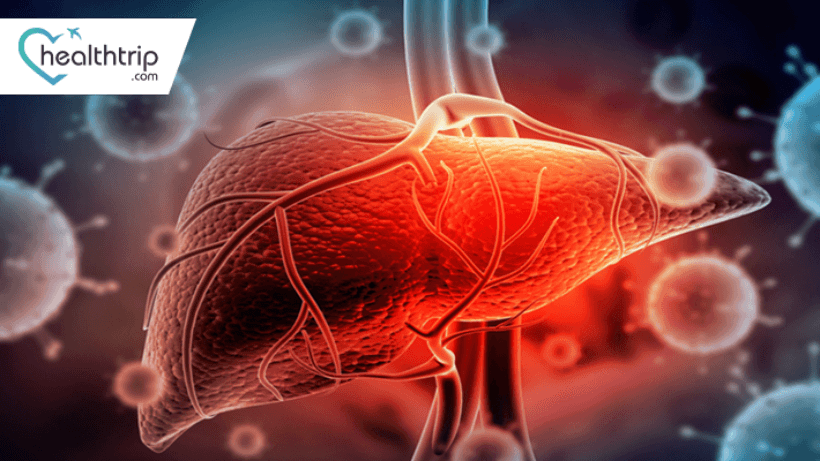
Hepatitis: Pembunuh Senyap
12 Oct, 2023
 Pasukan Healthtrip
What is Hepatitis ?
Hepatitis is liver inflammation, typically from viral infections (A, B, C), toxins, or autoimmune responses. Symptoms may include jaundice, fatigue, abdominal pain, nausea, and fever. It can lead to severe liver damage and chronic conditions.
Prosedur paling popular dalam India



Let's look at the table to understand its types, symptoms etc.

Rawatan Kesihatan
Beri diri anda masa untuk berehat
Harga Terendah Dijamin!

Harga Terendah Dijamin!
| Hepatitis Type | Transmission | Symptoms & Signs | Causes | Prevention |
|---|---|---|---|---|
| Hepatitis A | Fecal-oral route, poor sanitation | Jaundice, nausea, abdominal pain, fever | Contaminated water, poor sanitation | Vaccination, hygiene measures |
| Hepatitis B | Blood, semen, other body fluids | Fatigue, jaundice, dark urine | Contact with blood, unprotected sex, sharing needles | Vaccination, safe sex practices, avoiding needle sharing |
| Hepatitis C | Blood-to-blood contact, Injection drug use, Healthcare settings | Often asymptomatic until advanced | Contact with blood, Injection drug use | Safe injection practices, blood screening |
| Hepatitis D | Blood-to-blood contact | Similar to HBV, but more severe | Co-infection with HBV | Avoiding HBV co-infection |
| Hepatitis E | Fecal-oral route, contaminated water | Fever, jaundice, abdominal pain | Contaminated water, undercooked or raw shellfish | Safe drinking water, sanitation |
Who Gets Hepatitis:
a. Age groups (A):
701 pesakit dari India pilih pakej ini untuk mereka Pakej Pemindahan Hati

All age groups can be affected, but certain types may be more common in specific age ranges (e.g., Hepatitis A is often more common in children).
b. Geographical prevalence (B):
Hepatitis prevalence can vary by region. For instance, Hepatitis B is more prevalent in certain parts of Asia and Africa.
c. High-risk populations (C):
- Healthcare workers
- Intravenous drug users
- Individuals engaging in unprotected sex
- People living with someone who has hepatitis
- Those with multiple sexual partners
- Infants born to mothers with hepatitis
Diagnosis:
a. Blood tests (A):
- Detection of viral markers:
- Hepatitis B surface antigen (HBsAg) for Hepatitis B
- Antibodies to Hepatitis C (anti-HCV) for Hepatitis C
- IgM antibodies to Hepatitis A virus (anti-HAV IgM) for Hepatitis A
- Liver function tests:
- Alanine transaminase (ALT)
- Aspartate transaminase (AST)
- Viral load measurements to assess the severity and progression of the infection.
b. Imaging tests (B):
- Ultrasound:
- Used to visualize the liver and identify abnormalities.
- CT scan (Computed Tomography) and MRI (Magnetic Resonance Imaging):
- Provide detailed images of the liver, helping to evaluate its structure and detect any tumors or abnormalities.
c. Liver biopsy (C):
- Procedure:
- A small sample of liver tissue is obtained for examination.
- Purpose:
- Assess the extent of liver damage and inflammation.
- Confirm the diagnosis and identify the specific type of hepatitis.
- Evaluate the risk of progression to cirrhosis or liver cancer.
- Invasive procedure, typically reserved for cases where the diagnosis is unclear or additional information is needed for treatment decisions.
Treatment:
a. Antiviral medications :
- Depending on the type of hepatitis
- Examples include:
- Interferon for Hepatitis B and C
- Nucleoside or nucleotide analogs for Hepatitis B
- Direct-acting antivirals (DAAs) for Hepatitis C
b. Supportive care :
- Addressing symptoms and complications
- Rest, proper nutrition, and hydration
- Monitoring and managing any complications
- Managing pain and discomfort
c. Liver transplant (in severe cases) :
- Considered in cases of:
- Acute liver failure
- End-stage liver disease
- Hepatocellular carcinoma
- Can be a life-saving intervention
Risk Factors:
- Unsafe sexual practices
- Multiple sexual partners
- Unprotected sex
- Injection drug use :
- Sharing needles
- Using unsterilized equipment
- Blood transfusions (in the past) ):
- Especially before the implementation of rigorous blood screening measures.
Complications:
- Cirrhosis :
- Advanced scarring of the liver
- Impaired liver function
- Liver failure :
- Inability of the liver to perform essential functions
- Can be life-threatening
- Hepatocellular carcinoma :
- Primary liver cancer
- Associated with chronic liver diseases, including viral hepatitis
In conclusion, hepatitis poses a multifaceted challenge with diverse transmission routes and varying severity. Accurate diagnosis through blood tests, imaging, and, when necessary, liver biopsy is critical. Prevention, including vaccination and safe practices, is paramount given the varied risk factors. Complications like cirrhosis underscore the importance of early detection. Treatment options range from antivirals to supportive care and, in severe cases, liver transplant. A holistic approach combining preventive measures, accessible healthcare, and public awareness is imperative in effectively addressing the global impact of hepatitis.
Pakej kesihatan paling popular





Blog Berkaitan

Pemindahan Hati untuk Kanak-kanak dengan Kanser Hati dan Hepatitis
HealthTrip menawarkan pemindahan hati untuk kanak -kanak dengan kanser hati dan

Pemindahan Hati untuk Kanak-kanak Hepatitis
HealthTrip menawarkan pemindahan hati untuk kanak -kanak dengan hepatitis dengan puncak

Pemindahan Hati untuk Kanak-kanak dengan Kanser Hati dan Hepatitis
HealthTrip menawarkan pemindahan hati untuk kanak -kanak dengan kanser hati dan

Pemindahan Hati untuk Kanak-kanak Hepatitis
HealthTrip menawarkan pemindahan hati untuk kanak -kanak dengan hepatitis dengan puncak

Hepatitis B dan C: Petunjuk untuk Pemindahan Hati di India
Pengenalan Pemindahan hati telah muncul sebagai prosedur menyelamatkan nyawa individu

Memahami Sirosis dan Peringkatnya: Panduan Komprehensif
Sirosis adalah penyakit hati kronik yang menjejaskan berjuta-juta