Mga Package na nagsisimula mula sa
$6000
Kailangan ng tulong sa pagpili ng tamang package para sa iyong medical trip?
Ang iyong mga datos sa kalusugan ay protektado sa amin
Pagbabago ng Buhay sa pamamagitan ng Spinal Cord Tumor Excision Surgery
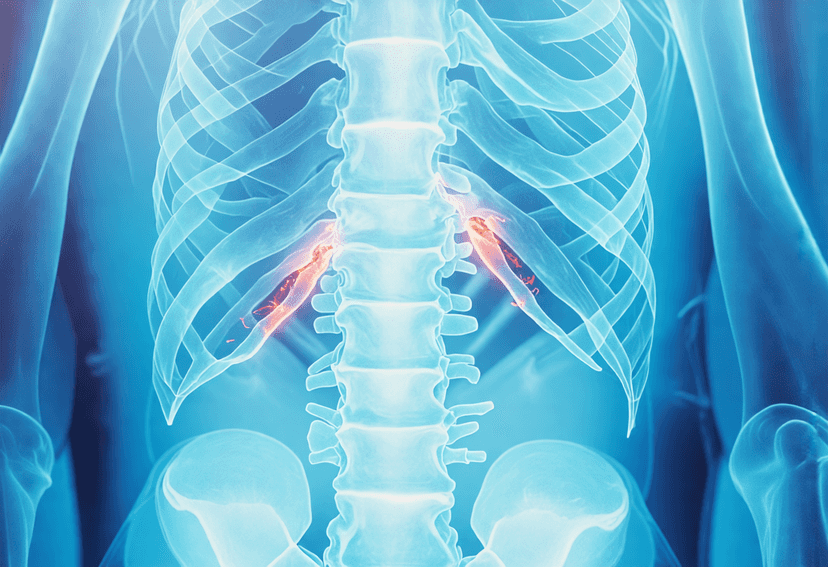
Spinal cord tumor excision surgery is a specialized procedure aimed at removing tumors located within or around the spinal cord. These tumors can be either primary (originating in the spinal cord itself) or secondary (metastatic, originating from cancer elsewhere in the body that has spread to the spine). The surgery is critical for alleviating symptoms caused by the tumor, such as pain, neurological deficits, and potential paralysis, and for preventing further damage to the spinal cord.
Procedure Overview:
- Technique: Depending on the location and type of tumor, the approach to surgery may vary. Surgeons use precision tools and techniques to access the tumor and remove as much of it as possible while minimizing damage to the spinal cord and surrounding nerves. The use of real-time imaging technologies, such as intraoperative MRI, helps improve the accuracy and safety of the procedure.
- Types of Tumors: The common types of spinal tumors include intradural-extramedullary (within the spinal canal but outside the cord), intramedullary (within the spinal cord), and extradural (outside the dura mater covering the spinal cord).
**Benefits:**
- **Symptom Relief:** Surgery can significantly reduce symptoms like pain, sensory losses, and motor deficits.
- **Prevention of Progression:** Removing the tumor can prevent further neurological deterioration and potential paralysis.
Recovery:
- Recovery from spinal cord tumor excision varies based on the size and location of the tumor, as well as the extent of the surgery. It typically involves a stay in the hospital, followed by rehabilitation that may include physical therapy, occupational therapy, and pain management. Full recovery and rehabilitation can take weeks to months.
Outcomes:
- The success of spinal cord tumor excision depends on the type of tumor, its location, and how much of the tumor can be safely removed. The goal is to achieve maximal tumor removal with minimal impact on spinal cord function. In some cases, additional treatments such as radiation or chemotherapy may be necessary.
Spinal cord tumor excision surgery is a complex yet vital procedure for patients with spinal tumors, offering a chance to improve quality of life and neurological function.
4.0
93% Na-rate Halaga para sa Pera
Bakit Pumili sa amin?

96%
Rate ng Tagumpay

0
Spinal Cord Tumor Excision Surgery Mga Surgeon

0
Spinal Cord Tumor Excision Surgery

0
Mga Hospital Sa Buong Mundo

0
Mga buhay na nahipo
Pangkalahatang-ideya
Spinal cord tumor excision surgery is a specialized procedure aimed at removing tumors located within or around the spinal cord. These tumors can be either primary (originating in the spinal cord itself) or secondary (metastatic, originating from cancer elsewhere in the body that has spread to the spine). The surgery is critical for alleviating symptoms caused by the tumor, such as pain, neurological deficits, and potential paralysis, and for preventing further damage to the spinal cord.
Procedure Overview:
- Technique: Depending on the location and type of tumor, the approach to surgery may vary. Surgeons use precision tools and techniques to access the tumor and remove as much of it as possible while minimizing damage to the spinal cord and surrounding nerves. The use of real-time imaging technologies, such as intraoperative MRI, helps improve the accuracy and safety of the procedure.
- Types of Tumors: The common types of spinal tumors include intradural-extramedullary (within the spinal canal but outside the cord), intramedullary (within the spinal cord), and extradural (outside the dura mater covering the spinal cord).
**Benefits:**
- **Symptom Relief:** Surgery can significantly reduce symptoms like pain, sensory losses, and motor deficits.
- **Prevention of Progression:** Removing the tumor can prevent further neurological deterioration and potential paralysis.
Recovery:
- Recovery from spinal cord tumor excision varies based on the size and location of the tumor, as well as the extent of the surgery. It typically involves a stay in the hospital, followed by rehabilitation that may include physical therapy, occupational therapy, and pain management. Full recovery and rehabilitation can take weeks to months.
Outcomes:
- The success of spinal cord tumor excision depends on the type of tumor, its location, and how much of the tumor can be safely removed. The goal is to achieve maximal tumor removal with minimal impact on spinal cord function. In some cases, additional treatments such as radiation or chemotherapy may be necessary.
Spinal cord tumor excision surgery is a complex yet vital procedure for patients with spinal tumors, offering a chance to improve quality of life and neurological function.