Mga Package na nagsisimula mula sa
Kailangan ng tulong sa pagpili ng tamang package para sa iyong medical trip?
Ang iyong mga datos sa kalusugan ay protektado sa amin

Pagbabago ng Buhay sa pamamagitan ng Pamamahala ng Stroke (Thrombolysis))
Panimula:
Maligayang pagdating sa isang mapang-akit na paglalakbay sa pamamagitan ng pagputol ng mundo ng pamamahala ng stroke, kung saan nagbukas ang mga medikal na kamangha-mangha, at ang mga buhay ay nabago. Sa blog na ito, sinisiyasat namin ang groundbreaking technique ng thrombolysis, isang rebolusyonaryong paggamot na humahawak ng susi sa pag -save ng hindi mabilang na mga pasyente ng stroke mula sa nagwawasak na mga kahihinatnan. Habang sinisimulan natin ang pagbabagong -anyo na paggalugad na ito, malulutas natin ang mga misteryo sa likod ng thrombolysis, hindi kapani -paniwalang mga benepisyo nito, at ang pangako na hinaharap na ipinapakita nito sa pangangalaga ng stroke.
Pag -unawa sa Hamon ng Stroke:
Bago natin malutas ang mga kababalaghan ng thrombolysis, mahalaga na maunawaan ang gravity ng hamon ng stroke. Ang stroke, na madalas na tinutukoy bilang isang "pag -atake sa utak," ay tumama tulad ng kidlat at umalis sa likuran ng isang ruta ng pagkawasak. Bilang isa sa mga nangungunang sanhi ng kapansanan at dami ng namamatay sa buong mundo, ang pagkadalian upang makahanap ng isang epektibong paggamot ay nagiging mas maliwanag.
Ipasok ang Thrombolysis - Paghiwa -hiwalay sa oras ng hadlang:
Ang thrombolysis ay lumilitaw bilang beacon ng pag-asa para sa mga pasyente ng stroke sa pamamagitan ng pag-aalok ng isang oras-kritikal na solusyon. Hindi tulad ng maraming iba pang mga paggamot, ang thrombolysis ay naglalayong matunaw ang mga clots ng dugo, pagpapanumbalik ng daloy ng dugo sa mga apektadong lugar ng utak. Gayunpaman, kung ano ang tunay na kapansin -pansin ay ang makitid na therapeutic window nito. Ang bawat pangalawang bilang sa pamamahala ng stroke, at ang thrombolysis ay walang pasubali na namamahala upang masira ang hadlang sa oras, pag -save ng mga neuron at pag -andar ng utak tulad ng dati.
Ang agham sa likod ng thrombolysis:
Ang paglusaw sa agham sa likod ng thrombolysis, ginalugad namin ang mahika ng tissue plasminogen activator (TPA), ang gamot na "clot-buster" na responsable para sa pagsisimula ng proseso ng paglusaw ng clot. Pag -alis ng masalimuot na mga gawa ng TPA, nasasaksihan namin kung paano nag -navigate ang enzyme na ito sa daloy ng dugo, na kinikilala at nawawala ang nakaharang na clot na may katumpakan na kirurhiko.
Pag -navigate ng mga panganib at benepisyo:
Ang bawat interbensyong medikal ay nagdadala ng bahagi ng mga panganib at gantimpala, at ang thrombolysis ay walang pagbubukod. Sa seksyong ito, kumuha kami ng isang balanseng diskarte upang maunawaan ang mga potensyal na epekto at komplikasyon na nauugnay sa thrombolysis. Bukod dito, ginalugad namin kung paano ang masusing pagpili ng pasyente at pagsulong sa teknolohiyang medikal ay makabuluhang nabawasan ang mga panganib, na pinalakas ang mga pakinabang ng pamamaraang ito ng groundbreaking.
Pagpapalawak ng window ng oras - pagpapalawak ng mga abot -tanaw:
Habang nagbabago ang larangan ng pamamahala ng stroke, ang mga mananaliksik ay walang pagod na nagtatrabaho upang mapalawak ang window ng thrombolytic time. Sa seksyong ito, ipinagdiriwang natin ang mga milestone na nakamit sa pagtulak sa mga hangganan ng thrombolysis, pagbubukas ng mga pintuan para sa higit pang mga pasyente na makatanggap ng napapanahong paggamot at mabawi mula sa mga nakapanghihina na epekto ng stroke.
Higit pa sa Thrombolysis - Mga Innovations sa Horizon:
Habang ang thrombolysis ay nagbago ng pamamahala ng stroke, ang paghahanap para sa pagpapabuti ay hindi kailanman tumigil. Sa segment na ito, ginalugad namin ang mga pantulong na therapy, diskarte sa paggamot sa nobela, at mga teknolohiya ng state-of-the-art na umaakma sa thrombolysis at muling pagsasaayos ng tanawin ng pangangalaga sa stroke.
Isang sulyap sa hinaharap: Habang tinatapos natin ang kapanapanabik na odyssey sa pamamagitan ng mundo ng thrombolysis at pamamahala ng stroke, tinitingnan natin ang hinaharap na may kaguluhan at pag -asa. Ang Pioneering Research, Data-Driven Innovations, at Collective Determination ay naglalagay ng daan para sa isang hinaharap kung saan ang mga stroke ay maaaring hindi na humawak ng parehong antas ng takot at kawalan ng katiyakan. Sa katunayan, ang paglalakbay ay malayo mula sa ibabaw, at ang ating hangarin sa kahusayan ay nananatiling matatag.
Konklusyon:
Ang thrombolysis ay pinansin ang isang beacon ng pag -asa sa pamamahala ng stroke, pagbagsak ng mga hadlang sa oras at pagbabago ng buhay magpakailanman. Habang nakatayo tayo sa unahan ng pagsulong ng medikal, ang epekto ng pamamaraang ito ng groundbreaking. Sama -sama, sumasauna kami, determinado na i -unlock ang mga bagong hangganan sa pangangalaga ng stroke at lumikha ng isang mundo kung saan ang mga stroke ay hindi lamang pinamamahalaan ngunit nasakop. Ang hinaharap ay nasa loob ng ating pagkakahawak, at maliwanag ito sa pangako ng pag -asa, pagpapagaling, at pag -renew.
5.0
92% Na-rate Halaga para sa Pera
Mga Benepisyo ng Pamamahala ng Stroke (Thrombolysis))
Mabilis na pagpapanumbalik ng daloy ng dugo sa utak
-
Nabawasan ang panganib ng pang-matagalang kapansanan pagkatapos ng stroke
-
Mas malaking pagkakataon ng pag-andar ng kalayaan post-stroke
-
Potensyal na makatipid ng buhay sa mga kaso ng talamak na stroke
-
Maaaring mapabuti ang pangkalahatang oras ng pagbawi at bawasan ang pag -ospital
-
Minimally invasive kumpara sa mga pagpipilian sa kirurhiko
Bakit Pumili sa amin?

97%
Rate ng Tagumpay

43+
Pamamahala ng Stroke (Thrombolysis)) Mga Surgeon

1+
Pamamahala ng Stroke (Thrombolysis))

65+
Mga Hospital Sa Buong Mundo

4+
Mga buhay na nahipo
Pangkalahatang-ideya
Panimula:
Maligayang pagdating sa isang mapang-akit na paglalakbay sa pamamagitan ng pagputol ng mundo ng pamamahala ng stroke, kung saan nagbukas ang mga medikal na kamangha-mangha, at ang mga buhay ay nabago. Sa blog na ito, sinisiyasat namin ang groundbreaking technique ng thrombolysis, isang rebolusyonaryong paggamot na humahawak ng susi sa pag -save ng hindi mabilang na mga pasyente ng stroke mula sa nagwawasak na mga kahihinatnan. Habang sinisimulan natin ang pagbabagong -anyo na paggalugad na ito, malulutas natin ang mga misteryo sa likod ng thrombolysis, hindi kapani -paniwalang mga benepisyo nito, at ang pangako na hinaharap na ipinapakita nito sa pangangalaga ng stroke.
Pag -unawa sa Hamon ng Stroke:
Bago natin malutas ang mga kababalaghan ng thrombolysis, mahalaga na maunawaan ang gravity ng hamon ng stroke. Ang stroke, na madalas na tinutukoy bilang isang "pag -atake sa utak," ay tumama tulad ng kidlat at umalis sa likuran ng isang ruta ng pagkawasak. Bilang isa sa mga nangungunang sanhi ng kapansanan at dami ng namamatay sa buong mundo, ang pagkadalian upang makahanap ng isang epektibong paggamot ay nagiging mas maliwanag.
Ipasok ang Thrombolysis - Paghiwa -hiwalay sa oras ng hadlang:
Ang thrombolysis ay lumilitaw bilang beacon ng pag-asa para sa mga pasyente ng stroke sa pamamagitan ng pag-aalok ng isang oras-kritikal na solusyon. Hindi tulad ng maraming iba pang mga paggamot, ang thrombolysis ay naglalayong matunaw ang mga clots ng dugo, pagpapanumbalik ng daloy ng dugo sa mga apektadong lugar ng utak. Gayunpaman, kung ano ang tunay na kapansin -pansin ay ang makitid na therapeutic window nito. Ang bawat pangalawang bilang sa pamamahala ng stroke, at ang thrombolysis ay walang pasubali na namamahala upang masira ang hadlang sa oras, pag -save ng mga neuron at pag -andar ng utak tulad ng dati.
Ang agham sa likod ng thrombolysis:
Ang paglusaw sa agham sa likod ng thrombolysis, ginalugad namin ang mahika ng tissue plasminogen activator (TPA), ang gamot na "clot-buster" na responsable para sa pagsisimula ng proseso ng paglusaw ng clot. Pag -alis ng masalimuot na mga gawa ng TPA, nasasaksihan namin kung paano nag -navigate ang enzyme na ito sa daloy ng dugo, na kinikilala at nawawala ang nakaharang na clot na may katumpakan na kirurhiko.
Pag -navigate ng mga panganib at benepisyo:
Ang bawat interbensyong medikal ay nagdadala ng bahagi ng mga panganib at gantimpala, at ang thrombolysis ay walang pagbubukod. Sa seksyong ito, kumuha kami ng isang balanseng diskarte upang maunawaan ang mga potensyal na epekto at komplikasyon na nauugnay sa thrombolysis. Bukod dito, ginalugad namin kung paano ang masusing pagpili ng pasyente at pagsulong sa teknolohiyang medikal ay makabuluhang nabawasan ang mga panganib, na pinalakas ang mga pakinabang ng pamamaraang ito ng groundbreaking.
Pagpapalawak ng window ng oras - pagpapalawak ng mga abot -tanaw:
Habang nagbabago ang larangan ng pamamahala ng stroke, ang mga mananaliksik ay walang pagod na nagtatrabaho upang mapalawak ang window ng thrombolytic time. Sa seksyong ito, ipinagdiriwang natin ang mga milestone na nakamit sa pagtulak sa mga hangganan ng thrombolysis, pagbubukas ng mga pintuan para sa higit pang mga pasyente na makatanggap ng napapanahong paggamot at mabawi mula sa mga nakapanghihina na epekto ng stroke.
Higit pa sa Thrombolysis - Mga Innovations sa Horizon:
Habang ang thrombolysis ay nagbago ng pamamahala ng stroke, ang paghahanap para sa pagpapabuti ay hindi kailanman tumigil. Sa segment na ito, ginalugad namin ang mga pantulong na therapy, diskarte sa paggamot sa nobela, at mga teknolohiya ng state-of-the-art na umaakma sa thrombolysis at muling pagsasaayos ng tanawin ng pangangalaga sa stroke.
Isang sulyap sa hinaharap: Habang tinatapos natin ang kapanapanabik na odyssey sa pamamagitan ng mundo ng thrombolysis at pamamahala ng stroke, tinitingnan natin ang hinaharap na may kaguluhan at pag -asa. Ang Pioneering Research, Data-Driven Innovations, at Collective Determination ay naglalagay ng daan para sa isang hinaharap kung saan ang mga stroke ay maaaring hindi na humawak ng parehong antas ng takot at kawalan ng katiyakan. Sa katunayan, ang paglalakbay ay malayo mula sa ibabaw, at ang ating hangarin sa kahusayan ay nananatiling matatag.
Konklusyon:
Ang thrombolysis ay pinansin ang isang beacon ng pag -asa sa pamamahala ng stroke, pagbagsak ng mga hadlang sa oras at pagbabago ng buhay magpakailanman. Habang nakatayo tayo sa unahan ng pagsulong ng medikal, ang epekto ng pamamaraang ito ng groundbreaking. Sama -sama, sumasauna kami, determinado na i -unlock ang mga bagong hangganan sa pangangalaga ng stroke at lumikha ng isang mundo kung saan ang mga stroke ay hindi lamang pinamamahalaan ngunit nasakop. Ang hinaharap ay nasa loob ng ating pagkakahawak, at maliwanag ito sa pangako ng pag -asa, pagpapagaling, at pag -renew.
Sintomas
Biglaang pamamanhid o kahinaan sa mukha, braso, o binti (lalo na sa isang tabi ng katawan)
-
Biglang pagkalito, problema sa pagsasalita, o pag -unawa sa pagsasalita
-
Biglang nahihirapan makakita sa isa o magkabilang mata
-
Biglang kahirapan sa paglalakad, pagkahilo, o pagkawala ng balanse
-
Biglang matinding pananakit ng ulo na walang alam na dahilan
-
Pagkawala ng kamalayan o binagong katayuan sa pag -iisip
Mga Sanhi
Ang pagbuo ng clot ng dugo sa isang cerebral artery (trombosis)
-
Embolismo mula sa puso (e.g., Dahil sa atrial fibrillation)
-
Ang pagdidikit ng mga arterya dahil sa atherosclerosis
-
Hypertension (talamak na mataas na presyon ng dugo)
-
Mataas na antas ng kolesterol na humahantong sa pagbuo ng plaka
-
Ang paninigarilyo at diyabetis ay nagdaragdag ng panganib ng clotting
Mga Karaniwang Hakbang na Kasama sa Pamamahala ng Stroke (Thrombolysis))
- Paunang Pagsusuri: Mabilis na pagsusuri ng mga sintomas, kalubhaan ng stroke, at kasaysayan ng medikal.
Imaging: Non-contrast CT o MRI upang mamuno sa hemorrhagic stroke.
Tseke ng pagiging karapat -dapat: Tiyakin na bumagsak ang pasyente sa loob ng window ng paggamot at nakakatugon sa pamantayan.
Pahintulot at paghahanda: Ipaalam sa pasyente/pamilya at ihanda ang linya ng IV.
Pangangasiwa:
IV TPA: Ibinigay ng higit sa 1 oras, may perpekto sa loob 3-4.5 oras ng pagsisimula ng sintomas.
Intra-arterial TPA (kung ipinahiwatig): direktang paghahatid na batay sa catheter sa clot.Pagsubaybay: Vital Signs at Neurological Status na sinusubaybayan sa ICU o Stroke Unit.
Follow-up imaging: Upang masuri ang resolusyon ng clot at katayuan sa utak.
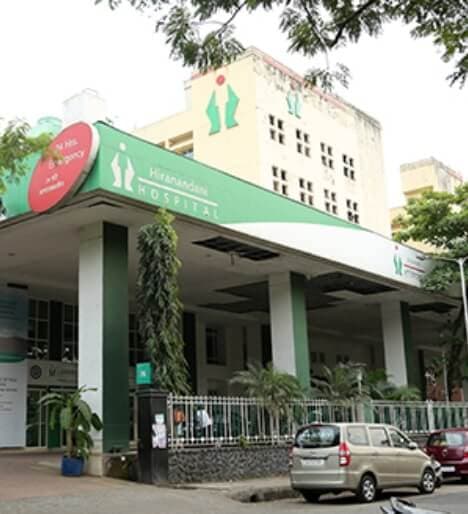
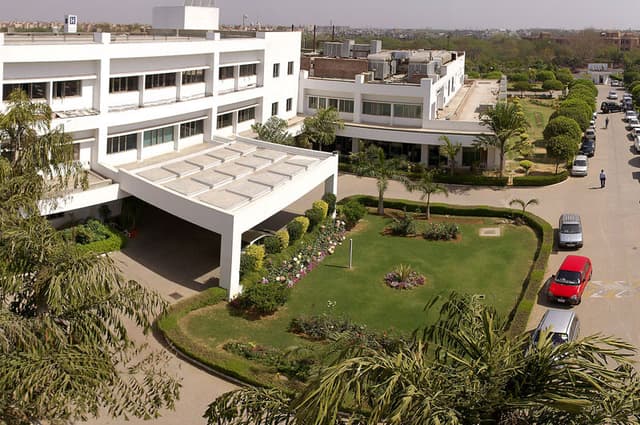
Mga Ospital


Mga Doktor

4.0
Kumonsulta sa:


5.0
Kumonsulta sa:

4.0
Kumonsulta sa:

5.0
Kumonsulta sa:

4.0
Kumonsulta sa:

4.5
Kumonsulta sa: