Mga Package na nagsisimula mula sa
$8000
Kailangan ng tulong sa pagpili ng tamang package para sa iyong medical trip?
Ang iyong mga datos sa kalusugan ay protektado sa amin
Pagbabago ng Buhay sa pamamagitan ng Laminectomy decompression na may pag -aayos
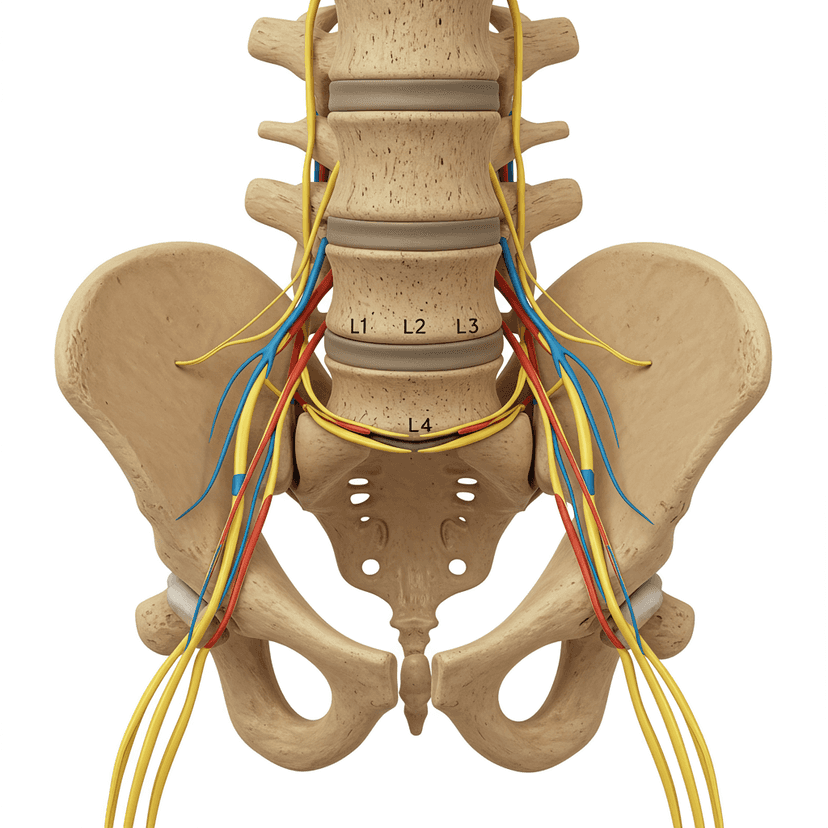
A laminectomy decompression with fixation is a surgical procedure that combines decompression of the spinal cord and nerve roots with stabilization of the spine. This operation is typically performed to relieve symptoms caused by spinal stenosis, which is the narrowing of spaces within the spine that causes pressure on the spinal cord and nerves.
Procedure Overview:
- Laminectomy Decompression: The procedure involves removing part or all of the vertebral bone called the lamina. This decompression aims to relieve pressure on the spinal cord or nerve roots, addressing symptoms like pain, weakness, or numbness in the legs and back. Additional removal of bone spurs or thickened ligaments may also be performed to further relieve nerve compression.
- Spinal Fixation: To maintain the structural integrity of the spine and prevent instability after decompression, fixation is performed using hardware such as rods, screws, and sometimes plates or cages. These tools help to hold the vertebrae in proper alignment and facilitate the fusion of the spine over time.
Benefits:
- Relieves pressure on spinal nerves
- Reduces pain and improves mobility
- Stabilizes the spine to prevent further degenerative changes
Recovery:
- The recovery process typically involves a hospital stay of a few days, followed by physical therapy. Patients often use a back brace to support the spine during the early recovery phase.
- Physical therapy is crucial for strengthening the back and improving flexibility, with a full recovery and return to normal activities ranging from several weeks to months, depending on the extent of the surgery and the patient’s overall health.
Outcomes:
- Most patients experience significant improvement in their pre-surgery symptoms, with reduced pain and enhanced function. Long-term success depends on proper postoperative care, including adherence to physical therapy and activity modifications.
Laminectomy decompression with fixation is a common and effective surgical approach for treating spinal conditions that cause nerve compression and require stabilization to ensure spinal alignment and health.
5.0
95% Na-rate Halaga para sa Pera
Bakit Pumili sa amin?

96%
Rate ng Tagumpay

0
Laminectomy decompression na may pag -aayos Mga Surgeon

0
Laminectomy decompression na may pag -aayos

0
Mga Hospital Sa Buong Mundo

0
Mga buhay na nahipo
Pangkalahatang-ideya
A laminectomy decompression with fixation is a surgical procedure that combines decompression of the spinal cord and nerve roots with stabilization of the spine. This operation is typically performed to relieve symptoms caused by spinal stenosis, which is the narrowing of spaces within the spine that causes pressure on the spinal cord and nerves.
Procedure Overview:
- Laminectomy Decompression: The procedure involves removing part or all of the vertebral bone called the lamina. This decompression aims to relieve pressure on the spinal cord or nerve roots, addressing symptoms like pain, weakness, or numbness in the legs and back. Additional removal of bone spurs or thickened ligaments may also be performed to further relieve nerve compression.
- Spinal Fixation: To maintain the structural integrity of the spine and prevent instability after decompression, fixation is performed using hardware such as rods, screws, and sometimes plates or cages. These tools help to hold the vertebrae in proper alignment and facilitate the fusion of the spine over time.
Benefits:
- Relieves pressure on spinal nerves
- Reduces pain and improves mobility
- Stabilizes the spine to prevent further degenerative changes
Recovery:
- The recovery process typically involves a hospital stay of a few days, followed by physical therapy. Patients often use a back brace to support the spine during the early recovery phase.
- Physical therapy is crucial for strengthening the back and improving flexibility, with a full recovery and return to normal activities ranging from several weeks to months, depending on the extent of the surgery and the patient’s overall health.
Outcomes:
- Most patients experience significant improvement in their pre-surgery symptoms, with reduced pain and enhanced function. Long-term success depends on proper postoperative care, including adherence to physical therapy and activity modifications.
Laminectomy decompression with fixation is a common and effective surgical approach for treating spinal conditions that cause nerve compression and require stabilization to ensure spinal alignment and health.