Mga Package na nagsisimula mula sa
$5000
Kailangan ng tulong sa pagpili ng tamang package para sa iyong medical trip?
Ang iyong mga datos sa kalusugan ay protektado sa amin
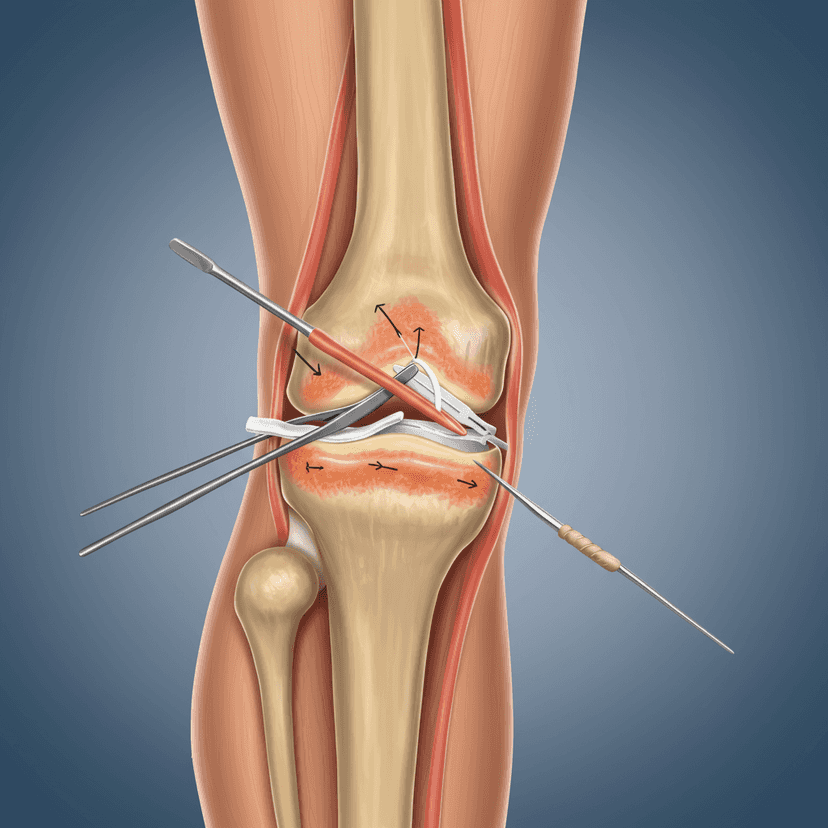
Pagbabago ng Buhay sa pamamagitan ng Surgery arthroscopic ACL reconstruction na sinusundan ng meniskectomy
Arthroscopic ACL reconstruction followed by meniscectomy is a combined surgical procedure primarily used to address two common knee injuries: a torn anterior cruciate ligament (ACL) and damaged meniscal tissue.
Procedure Overview:
- Arthroscopic ACL Reconstruction: This part of the surgery involves replacing the torn ACL with a graft, which can be either an autograft (taken from the patient's own body, typically the hamstring or patellar tendon) or an allograft (donor tissue). The procedure is performed arthroscopically, meaning a small camera (arthroscope) and surgical tools are inserted through small incisions around the knee. This allows the surgeon to view and work inside the knee joint without making large incisions. The graft is secured in place with screws or other fixation devices.
- Meniscectomy: Following the ACL reconstruction, if the meniscus (the cartilage that cushions the space between the bones in the knee) is also damaged, a meniscectomy may be performed. This procedure involves either repairing or removing all or part of the torn meniscus. The extent of meniscus removal depends on the location and severity of the tear. In some cases, if the tear is repairable, a meniscal repair is performed instead to preserve as much of the natural tissue as possible.
Advantages:
- Performing both procedures arthroscopically minimizes tissue damage and reduces recovery time compared to open surgery.
- Addressing both ACL and meniscal injuries in one session helps in comprehensive treatment of knee instability and prevents further joint deterioration.
Recovery:
- The recovery process typically involves several weeks of immobilization followed by physical therapy. Rehabilitation focuses on restoring knee strength, flexibility, and function.
- Patients generally wear a knee brace post-surgery and use crutches to limit weight-bearing on the operated leg.
Outcomes:
- This combined approach is effective in restoring knee stability and range of motion, particularly in patients active in sports.
- Successfully managing both ACL and meniscal injuries can significantly improve long-term outcomes and reduce the risk of osteoarthritis.
This dual procedure is quite effective for individuals who suffer from both ACL and meniscal injuries, ensuring a holistic approach to recovery and rehabilitation.
5.0
95% Na-rate Halaga para sa Pera
Bakit Pumili sa amin?

99%
Rate ng Tagumpay

0
Surgery arthroscopic ACL reconstruction na sinusundan ng meniskectomy Mga Surgeon

0
Surgery arthroscopic ACL reconstruction na sinusundan ng meniskectomy

0
Mga Hospital Sa Buong Mundo

0
Mga buhay na nahipo
Pangkalahatang-ideya
Arthroscopic ACL reconstruction followed by meniscectomy is a combined surgical procedure primarily used to address two common knee injuries: a torn anterior cruciate ligament (ACL) and damaged meniscal tissue.
Procedure Overview:
- Arthroscopic ACL Reconstruction: This part of the surgery involves replacing the torn ACL with a graft, which can be either an autograft (taken from the patient's own body, typically the hamstring or patellar tendon) or an allograft (donor tissue). The procedure is performed arthroscopically, meaning a small camera (arthroscope) and surgical tools are inserted through small incisions around the knee. This allows the surgeon to view and work inside the knee joint without making large incisions. The graft is secured in place with screws or other fixation devices.
- Meniscectomy: Following the ACL reconstruction, if the meniscus (the cartilage that cushions the space between the bones in the knee) is also damaged, a meniscectomy may be performed. This procedure involves either repairing or removing all or part of the torn meniscus. The extent of meniscus removal depends on the location and severity of the tear. In some cases, if the tear is repairable, a meniscal repair is performed instead to preserve as much of the natural tissue as possible.
Advantages:
- Performing both procedures arthroscopically minimizes tissue damage and reduces recovery time compared to open surgery.
- Addressing both ACL and meniscal injuries in one session helps in comprehensive treatment of knee instability and prevents further joint deterioration.
Recovery:
- The recovery process typically involves several weeks of immobilization followed by physical therapy. Rehabilitation focuses on restoring knee strength, flexibility, and function.
- Patients generally wear a knee brace post-surgery and use crutches to limit weight-bearing on the operated leg.
Outcomes:
- This combined approach is effective in restoring knee stability and range of motion, particularly in patients active in sports.
- Successfully managing both ACL and meniscal injuries can significantly improve long-term outcomes and reduce the risk of osteoarthritis.
This dual procedure is quite effective for individuals who suffer from both ACL and meniscal injuries, ensuring a holistic approach to recovery and rehabilitation.