Mga Package na nagsisimula mula sa
Kailangan ng tulong sa pagpili ng tamang package para sa iyong medical trip?
Ang iyong mga datos sa kalusugan ay protektado sa amin
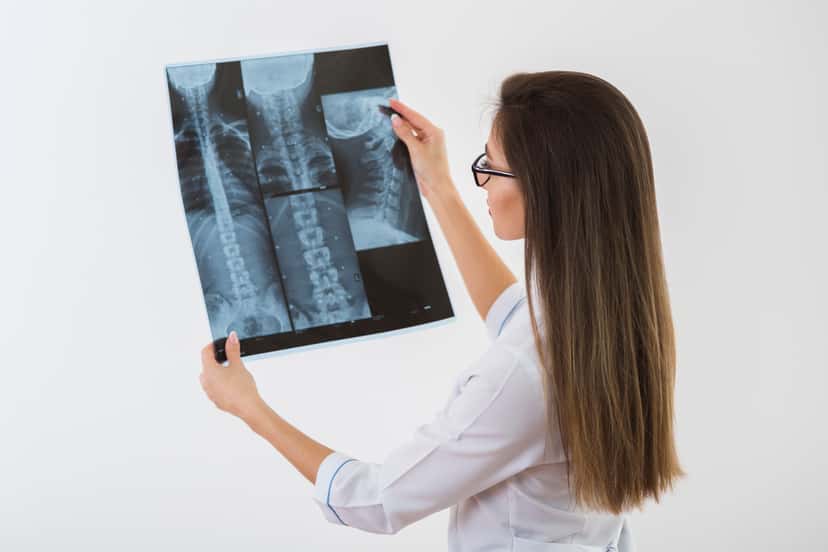
Pagbabago ng Buhay sa pamamagitan ng Minimally Invasive Spine Surgery
Minimally Invasive Spine Surgery (MISS) is an advanced surgical approach used to treat spinal conditions with smaller incisions and less disruption to surrounding muscles and tissues compared to traditional open spine surgery. It leverages specialized instruments, tubular retractors, and intraoperative imaging technologies such as fluoroscopy or computer-assisted navigation. This technique significantly reduces blood loss, postoperative pain, and recovery time.
MISS is commonly performed for conditions like herniated discs, spinal stenosis, degenerative disc disease, vertebral fractures, and spinal instability. Procedures may include discectomy, laminectomy, spinal fusion, or vertebroplasty. With advancements in surgical tools and imaging, MISS can often be performed on an outpatient or short-stay basis, making it a favorable option for patients seeking quicker recovery and less postoperative discomfort.
5.0
93% Na-rate Halaga para sa Pera
Mga Benepisyo ng Minimally Invasive Spine Surgery
Smaller incisions with minimal tissue damage
-
Reduced blood loss and risk of infection
-
Shorter hospital stays and faster recovery
-
Less postoperative pain and reduced need for narcotics
-
Quicker return to daily activities and work
-
Minimal scarring and better cosmetic outcomes
Bakit Pumili sa amin?

99%
Rate ng Tagumpay

10+
Minimally Invasive Spine Surgery Mga Surgeon

2+
Minimally Invasive Spine Surgery

10+
Mga Hospital Sa Buong Mundo

4+
Mga buhay na nahipo
Mga Patotoo



Ospital

Doktor
Pangkalahatang-ideya
Minimally Invasive Spine Surgery (MISS) is an advanced surgical approach used to treat spinal conditions with smaller incisions and less disruption to surrounding muscles and tissues compared to traditional open spine surgery. It leverages specialized instruments, tubular retractors, and intraoperative imaging technologies such as fluoroscopy or computer-assisted navigation. This technique significantly reduces blood loss, postoperative pain, and recovery time.
MISS is commonly performed for conditions like herniated discs, spinal stenosis, degenerative disc disease, vertebral fractures, and spinal instability. Procedures may include discectomy, laminectomy, spinal fusion, or vertebroplasty. With advancements in surgical tools and imaging, MISS can often be performed on an outpatient or short-stay basis, making it a favorable option for patients seeking quicker recovery and less postoperative discomfort.
Sintomas
Chronic or severe back pain
-
Sciatica or radiating leg pain
-
Numbness or tingling in the limbs
-
Muscle weakness related to nerve compression
-
Spinal instability
-
Limited mobility due to degenerative spine conditions
Mga Sanhi
Herniated or bulging discs
-
Degenerative disc disease
-
Spinal stenosis
-
Spondylolisthesis (slipped vertebra)
-
Spinal fractures or trauma
-
Spinal tumors or infections (in select cases)
Mga Karaniwang Hakbang na Kasama sa Minimally Invasive Spine Surgery
Diagnosis & Imaging: MRI, CT scans, and X-rays to confirm spinal pathology.
-
Preoperative Planning: Mapping surgical access with imaging technology.
-
Anesthesia: Usually general, though some cases may use local with sedation.
-
Surgical Access: Small incisions (typically less than 1 inch) are made.
-
Tubular Retractor Insertion: This tool gently separates muscles instead of cutting them.
-
Targeted Procedure: Surgical correction (e.g., discectomy, fusion) using endoscopic tools and imaging guidance.
-
Closure: Minimal sutures or skin adhesive are used for wound closure.
-
Recovery: Often outpatient or 1-2 day hospital stay; rehabilitation as needed.





Mga Doktor

4.0
Kumonsulta sa:


5.0
Kumonsulta sa:

5.0
Kumonsulta sa:

4.5
Kumonsulta sa:

4.0
Kumonsulta sa:

5.0
Kumonsulta sa: