Mga Package na nagsisimula mula sa
$5500
Kailangan ng tulong sa pagpili ng tamang package para sa iyong medical trip?
Ang iyong mga datos sa kalusugan ay protektado sa amin
Pagbabago ng Buhay sa pamamagitan ng Pagsara ng VSD
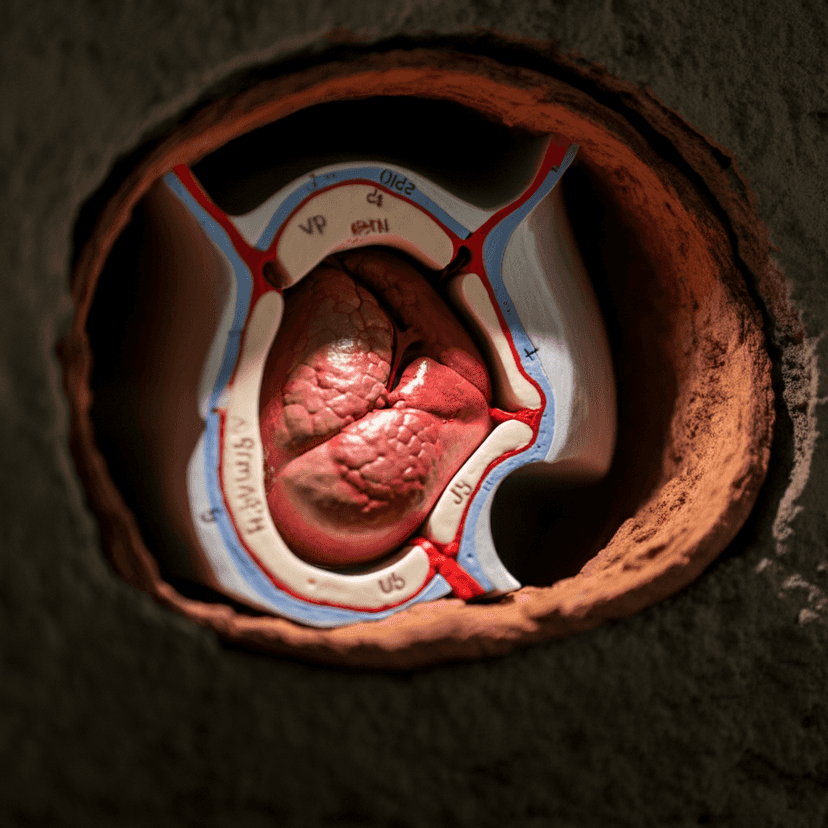
Ventricular Septal Defect (VSD) is a congenital heart condition characterized by one or more holes in the ventricular septum, the wall that separates the lower chambers (ventricles) of the heart. VSD is one of the most common congenital cardiac anomalies detected at birth but can also be diagnosed later in life.
Understanding VSD
The ventricular septum plays a crucial role in ensuring that oxygen-rich blood from the left ventricle and oxygen-poor blood from the right ventricle do not mix. A defect in this septum allows blood to flow from the left to the right ventricle, which can lead to increased lung pressure and reduced efficiency of the heart's pumping.
Types of VSD
VSDs are categorized based on their location in the ventricular septum:
- Perimembranous VSD: The most common type, occurring at the upper section of the septum near the tricuspid and aortic valves.
- Muscular VSD: Found in the lower part of the septum, these can be multiple and might close on their own.
- Inlet VSD: Occurs near the valves that bring blood into the ventricles.
- Outlet VSD: Located near the valves that lead out of the ventricles.
Symptoms of VSD
The severity of the symptoms depends on the size of the defect and the amount of blood shunted from left to right. Small VSDs may cause no symptoms and can close spontaneously, while larger defects could lead to:
- Shortness of breath
- Fatigue
- Frequent respiratory infections
- Poor growth and feeding in infants
Diagnosis of VSD
VSD is commonly diagnosed using echocardiography, which provides detailed images of the heart's structure and function. Other diagnostic tools may include electrocardiograms (ECG), chest X-rays, or cardiac MRI.
Treatment of VSD
Treatment depends on the size of the defect, its location, and the symptoms it causes:
Small VSDs often do not require treatment and may close on their own.
Medium to large VSDs might require surgical intervention to prevent complications like pulmonary hypertension or heart failure. This typically involves patching the hole during open-heart surgery.
Catheter-based procedures are also available for some cases, using a device to close the VSD without the need for open surgery.
Recovery and Management
Post-surgery, children usually recover quickly, with most leading a normal life with no significant restrictions. Ongoing follow-up with a cardiologist is crucial to monitor heart health and detect any potential long-term issues.
Conclusion
VSD, while a serious condition, often has a good prognosis with appropriate management. Advances in diagnostic techniques and treatment options continue to improve outcomes for those affected.
4.0
94% Na-rate Halaga para sa Pera
Bakit Pumili sa amin?

96%
Rate ng Tagumpay

19+
Pagsara ng VSD Mga Surgeon

0
Pagsara ng VSD

24+
Mga Hospital Sa Buong Mundo

0
Mga buhay na nahipo
Pangkalahatang-ideya
Ventricular Septal Defect (VSD) is a congenital heart condition characterized by one or more holes in the ventricular septum, the wall that separates the lower chambers (ventricles) of the heart. VSD is one of the most common congenital cardiac anomalies detected at birth but can also be diagnosed later in life.
Understanding VSD
The ventricular septum plays a crucial role in ensuring that oxygen-rich blood from the left ventricle and oxygen-poor blood from the right ventricle do not mix. A defect in this septum allows blood to flow from the left to the right ventricle, which can lead to increased lung pressure and reduced efficiency of the heart's pumping.
Types of VSD
VSDs are categorized based on their location in the ventricular septum:
- Perimembranous VSD: The most common type, occurring at the upper section of the septum near the tricuspid and aortic valves.
- Muscular VSD: Found in the lower part of the septum, these can be multiple and might close on their own.
- Inlet VSD: Occurs near the valves that bring blood into the ventricles.
- Outlet VSD: Located near the valves that lead out of the ventricles.
Symptoms of VSD
The severity of the symptoms depends on the size of the defect and the amount of blood shunted from left to right. Small VSDs may cause no symptoms and can close spontaneously, while larger defects could lead to:
- Shortness of breath
- Fatigue
- Frequent respiratory infections
- Poor growth and feeding in infants
Diagnosis of VSD
VSD is commonly diagnosed using echocardiography, which provides detailed images of the heart's structure and function. Other diagnostic tools may include electrocardiograms (ECG), chest X-rays, or cardiac MRI.
Treatment of VSD
Treatment depends on the size of the defect, its location, and the symptoms it causes:
Small VSDs often do not require treatment and may close on their own.
Medium to large VSDs might require surgical intervention to prevent complications like pulmonary hypertension or heart failure. This typically involves patching the hole during open-heart surgery.
Catheter-based procedures are also available for some cases, using a device to close the VSD without the need for open surgery.
Recovery and Management
Post-surgery, children usually recover quickly, with most leading a normal life with no significant restrictions. Ongoing follow-up with a cardiologist is crucial to monitor heart health and detect any potential long-term issues.
Conclusion
VSD, while a serious condition, often has a good prognosis with appropriate management. Advances in diagnostic techniques and treatment options continue to improve outcomes for those affected.



Mga Doktor

4.5
Kumonsulta sa:


5.0
Kumonsulta sa:
4.5
Kumonsulta sa:

5.0
Kumonsulta sa:

5.0
Kumonsulta sa:

5.0
Kumonsulta sa: