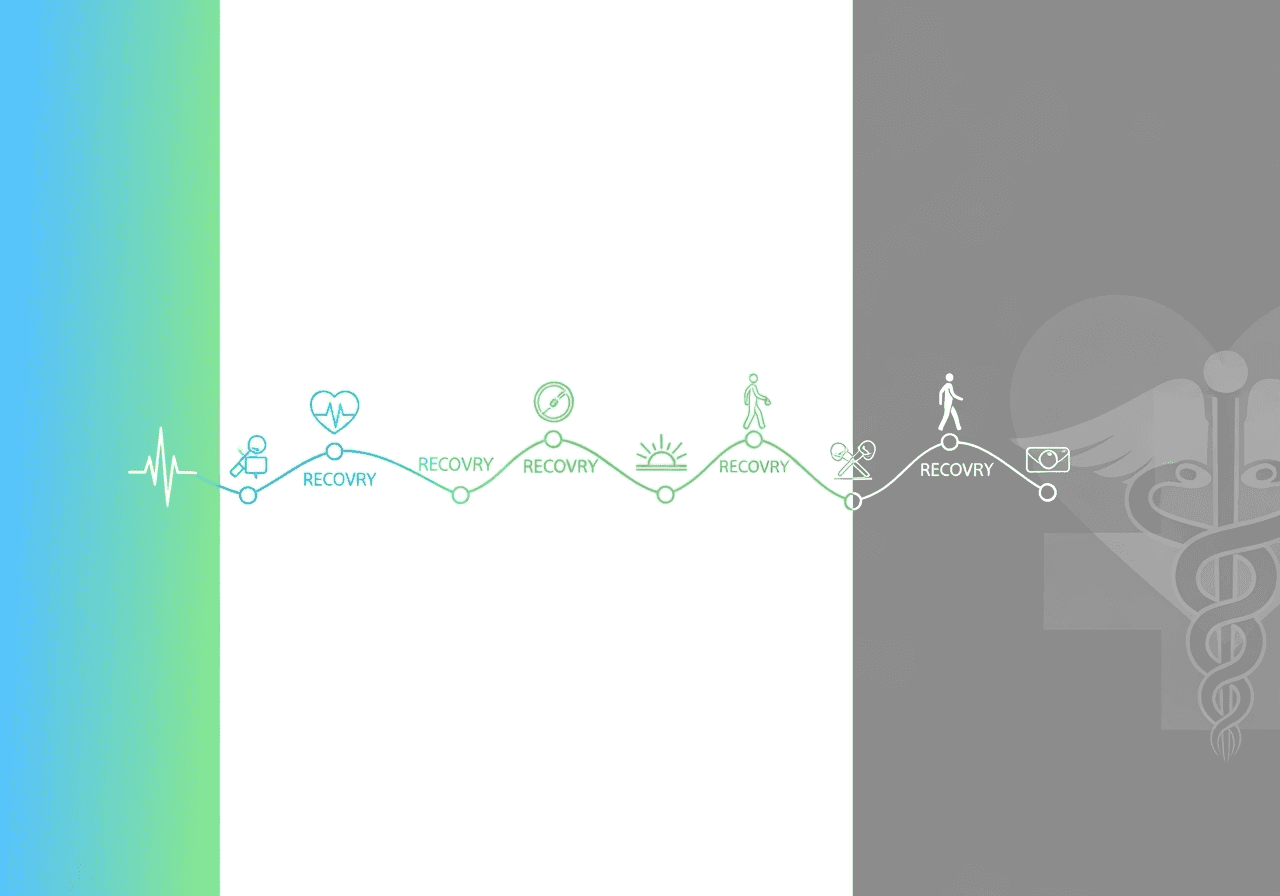
Ang iyong timeline ng pagbawi pagkatapos ng operasyon ng cardiac na pinapagana ng mga eksperto sa healthtrip
19 Aug, 2025
 Healthtrip
- Choosing Your Recovery Location: Hospital vs. Home
- The First 24-48 Hours: What to Expect in the ICU
- Week One: Early Mobilization and Pain Management
- Transitioning Home: Setting Up for Success
- The Role of Cardiac Rehabilitation in Your Recovery
- Long-Term Recovery: Lifestyle Changes and Monitoring
- Patient Success Stories: Inspiration and Experiences < li>Conclusion: Your Journey to a Healthier Heart
Immediate Post-Op Period: The First Few Days
The initial days following cardiac surgery are typically spent in the intensive care unit (ICU) where your vital signs are closely monitored and pain management is a primary focus. Expect to feel groggy and disoriented as you wake up from anesthesia, and don't be alarmed by the various tubes and monitors connected to your body – these are there to support your recovery. Pain is a common experience, but it’s manageable with medication; don't hesitate to communicate your discomfort to the medical staff. You'll gradually start sitting up and taking short walks as your strength returns. The length of your ICU stay will vary depending on your individual progress, but typically lasts for one to two days. As you transition out of the ICU, you'll move to a regular hospital room where you’ll continue to receive attentive care. Early mobilisation is key with Healthtrip coordinating with hospitals like Saudi German Hospital Cairo, Egypt and Vejthani Hospital to ensure you have access to physiotherapy early in your recovery stage. Remember, rest is equally important, so balance activity with adequate sleep to allow your body to heal. Healthtrip ensures you have access to some of the best hospitals that will help you get back on your feet.
Pinakatanyag na mga pamamaraan sa India


The First Weeks at Home: Rest and Gradual Activity
Once discharged from the hospital, typically within a week to ten days post-surgery, the focus shifts to recovering at home. It’s essential to understand that complete healing takes time, and it's crucial to follow your doctor's instructions diligently. Rest is paramount during these initial weeks, but that doesn’t mean complete inactivity. Gentle walks around your home or neighborhood can help improve circulation, prevent blood clots, and gradually restore your stamina. Avoid strenuous activities like lifting heavy objects, pushing or pulling, or any activity that causes excessive strain on your chest. Your healthcare team, potentially connected through Healthtrip, will provide specific guidelines on wound care, medication management, and recognizing warning signs that require immediate medical attention. Remember, it’s normal to experience fluctuations in energy levels, and it’s perfectly okay to take breaks when needed. Nutrition plays a vital role in healing, so focus on a balanced diet rich in protein, vitamins, and minerals to support tissue repair. Healthtrip can also facilitate consultations with nutritionists, particularly at hospitals like Yanhee International Hospital or Taoufik Clinic, Tunisia, to optimize your dietary intake and promote faster recovery.

Mga Paggamot sa Kaayusan
Bigyan ang iyong sarili ng oras upang makapagpahinga
Garantisadong Pinakamababang Presyo!

Garantisadong Pinakamababang Presyo!
Months Two to Three: Building Strength and Independence
As you progress into months two and three, you'll likely experience a noticeable improvement in your energy levels and overall well-being. This is the time to gradually increase your activity levels under the guidance of your physician or physical therapist. Cardiac rehabilitation becomes increasingly important during this phase, as it helps you regain strength, improve cardiovascular fitness, and learn how to manage your heart health effectively. Exercises tailored to your individual needs, such as walking, cycling, or light weight training, can help strengthen your heart and improve your overall physical function. It's crucial to listen to your body and avoid pushing yourself too hard, especially during the initial stages of increased activity. Healthtrip can assist in connecting you with comprehensive cardiac rehabilitation programs, even at facilities like Fortis Hospital, Noida, and can also facilitate follow-up appointments with your surgeon or cardiologist, ensuring any concerns or complications are addressed promptly. Emotional well-being is also essential during this phase. Engaging in activities you enjoy, spending time with loved ones, and seeking support from support groups can help reduce stress and improve your overall quality of life. Remember, recovery is a marathon, not a sprint, and consistency is key to achieving long-term success.
Long-Term Recovery: Maintaining a Heart-Healthy Lifestyle
Long-term recovery after cardiac surgery is about maintaining a heart-healthy lifestyle and preventing future cardiac events. This involves adopting healthy habits such as eating a balanced diet, engaging in regular physical activity, managing stress, and quitting smoking if applicable. Regular check-ups with your cardiologist are essential to monitor your heart health, adjust medications as needed, and address any potential complications. Adhering to your prescribed medication regimen is crucial for preventing blood clots, controlling blood pressure, and managing cholesterol levels. Lifestyle modifications, such as limiting saturated and trans fats, reducing sodium intake, and increasing fiber consumption, can significantly improve your cardiovascular health. Joining a support group or connecting with other individuals who have undergone cardiac surgery can provide valuable emotional support and motivation. Healthtrip continues to be a valuable resource during this long-term phase, providing access to ongoing support, educational resources, and connections to specialists at facilities like NMC Specialty Hospital, Al Nahda, Dubai, and Mount Elizabeth Hospital to help you maintain a healthy and fulfilling life after your surgery. Remember, you've already taken a significant step towards improving your heart health, and by continuing to prioritize your well-being, you can enjoy a long and active life.
615 mga pasyente mula sa India piliin ang package na ito para sa kanila Pakete ng Liver Transplant

Choosing Your Recovery Location: Hospital vs. Home
When facing heart surgery, one of the initial decisions involves selecting the most suitable recovery environment: a hospital setting or the comfort of your home. This choice is profoundly personal, hinging on your specific medical requirements, the extent of support available at home, and your individual preferences. Opting for a hospital stay generally entails an extended period within a specialized cardiac unit, such as at Saudi German Hospital Cairo, Egypt a facility equipped to provide round-the-clock medical supervision, immediate interventions in case of complications, and comprehensive pain management strategies. For many, this offers a sense of security, knowing that expert medical professionals are readily available to address any emerging concerns. The controlled environment of a hospital also allows for meticulous monitoring of vital signs, medication administration, and wound care. However, it's also worth considering that hospital environments, while safe, can sometimes feel sterile and impersonal, potentially impacting emotional well-being during the recovery process. Healthtrip can help you to navigate these options, connecting you with top-tier hospitals like Fortis Memorial Research Institute in Gurgaon, India, which offer excellent cardiac care facilities and personalized recovery plans.
On the other hand, recovering at home presents a more familiar and relaxed atmosphere conducive to emotional healing. Being surrounded by loved ones and familiar comforts can positively influence your mood and overall recovery pace. Home-based recovery often involves a personalized care plan, possibly including visits from nurses or therapists, to ensure adequate medical attention. This option suits individuals with strong support systems in place—family members or caregivers who can assist with daily tasks, medication management, and recognizing potential warning signs. While the allure of home is undeniable, it's crucial to honestly assess whether your home environment is adequately equipped for your recovery needs. Consider factors like accessibility (avoiding stairs if possible), a clean and safe environment, and the availability of necessary medical equipment. Healthtrip can also assist in coordinating in-home care services, bridging the gap between hospital care and home recovery, ensuring you receive the necessary medical support in the comfort of your own space. Ultimately, the decision hinges on a comprehensive understanding of your medical condition, the resources at your disposal, and a realistic assessment of your needs during this critical period.
The First 24-48 Hours: What to Expect in the ICU
The initial 24 to 48 hours after heart surgery represent a crucial phase in your recovery journey, typically spent in the Intensive Care Unit (ICU). This period demands close medical supervision and specialized care as your body begins to adjust to the surgical changes. Upon waking up in the ICU, expect to be connected to various monitoring devices, including those tracking your heart rate, blood pressure, oxygen levels, and breathing patterns. These devices provide invaluable data, allowing the medical team to closely monitor your vital signs and promptly address any potential complications. You may also have a urinary catheter in place, along with drainage tubes near the incision site to remove excess fluids. It’s perfectly normal to feel disoriented or groggy initially, as the effects of anesthesia gradually wear off. Pain management is a top priority during this period. The medical staff will administer pain medication, often intravenously, to keep you comfortable and reduce any discomfort from the surgical incision. Don't hesitate to communicate your pain levels to the nurses, as effective pain control is crucial for your overall recovery and ability to participate in early mobilization.
During your ICU stay, the medical team will focus on stabilizing your condition, managing pain, and preventing complications. You’ll be encouraged to take deep breaths and cough regularly to clear your lungs and prevent pneumonia. The ICU environment can be overwhelming, with its constant sounds and activity, but remember that every effort is being made to ensure your well-being. Communication is key; don't hesitate to voice your concerns or ask questions to the medical staff. They are there to support you and provide reassurance during this vulnerable time. Healthtrip understands the anxieties associated with post-operative care and can help you find hospitals, such as Vejthani Hospital in Bangkok, Thailand, known for their excellent cardiac ICU facilities and patient-centered approach. Furthermore, Healthtrip can provide access to resources and information about what to expect during this phase, empowering you and your family with the knowledge needed to navigate this critical period. Remember, this initial phase is a stepping stone towards a healthier heart and a brighter future. The expert care you receive in the ICU is paramount to a successful recovery.
Week One: Early Mobilization and Pain Management
The first week following heart surgery marks a significant transition from the intensive care of the ICU to a more active phase of recovery. Early mobilization, or getting you moving as soon as safely possible, becomes a central focus. It might seem daunting at first, but gentle movement is crucial for preventing complications like blood clots and pneumonia, improving circulation, and boosting your overall strength. Under the guidance of physical therapists and nurses, you'll gradually progress from sitting up in bed to standing and taking short walks, even within your room. These initial steps are a testament to your resilience and pave the way for a smoother recovery. Don't push yourself too hard, though. Listen to your body and communicate any discomfort or pain to your healthcare team. They will adjust the pace of your mobilization to match your individual progress and tolerance.
Effective pain management remains a priority throughout the first week. While the intensity of post-operative pain typically decreases, it's essential to keep it under control to facilitate your participation in physical therapy and other recovery activities. Your medical team will continue to administer pain medication as needed, and they may also explore non-pharmacological approaches like relaxation techniques and gentle massage to complement pain relief. Remember that managing pain effectively is a collaborative effort; be open and honest with your healthcare providers about your pain levels and any side effects you experience from medications. Nutrition also plays a vital role during this week. You'll likely transition from a liquid diet to more solid foods as your digestive system recovers. Focus on consuming a balanced diet rich in protein, vitamins, and minerals to support healing and energy levels. Healthtrip partners with hospitals like Memorial Sisli Hospital in Istanbul, Turkey, which offer comprehensive post-operative care, including physiotherapy, pain management, and nutritional support. Healthtrip can assist in coordinating these critical aspects of your recovery, ensuring you receive the care and guidance needed to regain your strength and independence during this important first week.
Also Read:
Transitioning Home: Setting Up for Success
Leaving the hospital after heart surgery is a momentous occasion, a significant step towards reclaiming your life and well-being. However, it's crucial to understand that the journey to recovery continues at home. This transition requires careful planning and preparation to ensure a safe, comfortable, and conducive environment for healing. Think of your home as your sanctuary, a place where you can focus on rebuilding your strength and embracing a healthier future. One of the first things to consider is modifying your living space to accommodate your needs. Rearrange furniture to create clear pathways, minimizing the risk of tripping or bumping into objects. Remove any hazards such as loose rugs, electrical cords, or clutter that could impede your mobility. If stairs pose a challenge, consider setting up a temporary bedroom on the ground floor to avoid unnecessary strain. Ensure that essential items like medications, water, and toiletries are easily accessible, ideally within arm's reach. A well-organized and accessible home environment will not only promote physical comfort but also reduce stress and anxiety during this critical phase of recovery. Remember, your goal is to create a space that supports your healing process and allows you to focus on regaining your independence.
Creating a Supportive Home Environment
Beyond the physical modifications, fostering a supportive home environment is paramount for successful recovery. Enlist the help of family members, friends, or professional caregivers to provide assistance with daily tasks such as meal preparation, bathing, and transportation. Don't hesitate to delegate responsibilities and accept offers of support. Remember, you're not alone in this journey, and accepting help is a sign of strength, not weakness. Communication is key to ensuring that your needs are met and that your loved ones understand your limitations. Clearly articulate your expectations and boundaries, and be open to adjusting them as your recovery progresses. Create a schedule for assistance to ensure consistent support while also allowing for periods of rest and solitude. A supportive home environment can significantly reduce stress levels, promote emotional well-being, and facilitate a smoother recovery process. Consider setting up a comfortable relaxation area where you can unwind and de-stress. This could be a cozy corner with a comfortable chair, soft blankets, and calming music. Engage in activities that bring you joy and relaxation, such as reading, listening to music, or spending time in nature. Prioritizing self-care is essential for both your physical and emotional health during this recovery period. Healthtrip understands the importance of a comfortable transition home and can assist in connecting you with resources to make this as seamless as possible.
Also Read:
The Role of Cardiac Rehabilitation in Your Recovery
Cardiac rehabilitation is a medically supervised program tailored to improve your cardiovascular health after a heart event, such as surgery. It’s not just about exercise; it's a comprehensive approach encompassing exercise training, education on heart-healthy living, and counseling to reduce stress and improve mental well-being. Think of it as your personal heart health boot camp! The primary goal of cardiac rehab is to help you regain your strength, reduce your risk of future heart problems, and empower you to live a fuller, more active life. The program typically involves a team of healthcare professionals, including doctors, nurses, exercise physiologists, and nutritionists, who work together to create an individualized plan based on your specific needs and goals. During cardiac rehab, you'll participate in supervised exercise sessions designed to gradually increase your fitness level. These sessions may include activities like walking, cycling, or light weightlifting, all carefully monitored by the rehab team to ensure your safety and progress. You'll also receive education on topics such as healthy eating, medication management, stress reduction techniques, and smoking cessation. These educational components are crucial for making long-term lifestyle changes that support your heart health. Cardiac rehab can be a real game-changer in your recovery journey, offering not only physical benefits but also emotional support and a sense of community.
Benefits of Participating in a Cardiac Rehabilitation Program
The benefits of participating in a cardiac rehabilitation program are numerous and far-reaching. Studies have shown that cardiac rehab can significantly reduce the risk of future heart attacks, strokes, and other cardiovascular events. It can also improve your exercise capacity, lower your blood pressure and cholesterol levels, and help you manage your weight more effectively. But the benefits extend beyond the physical realm. Cardiac rehab can also reduce feelings of anxiety and depression, improve your overall mood, and boost your self-confidence. It provides a supportive environment where you can connect with other individuals who are going through similar experiences, sharing your challenges and celebrating your successes. The sense of camaraderie and shared purpose can be incredibly motivating and empowering. Moreover, cardiac rehab equips you with the knowledge and skills you need to make informed decisions about your health and to take control of your heart health journey. You'll learn how to monitor your vital signs, recognize warning signs of heart problems, and respond appropriately. You'll also gain a deeper understanding of your medications and how they work, empowering you to manage your health more effectively. Healthtrip recognizes the value of comprehensive cardiac rehabilitation programs and can assist in locating reputable facilities near you, potentially including hospitals like Fortis Escorts Heart Institute or Max Healthcare Saket, both known for their cardiac care.
Also Read:
Long-Term Recovery: Lifestyle Changes and Monitoring
Heart surgery is a significant milestone, but it's just the beginning of your long-term recovery journey. Maintaining a heart-healthy lifestyle is crucial for preventing future cardiac events and ensuring a high quality of life. This involves adopting and sustaining several key lifestyle changes, including dietary modifications, regular exercise, stress management, and adherence to medication regimens. Think of these changes as investments in your future health, each one contributing to a stronger, healthier heart. Dietary changes are often the cornerstone of long-term heart health. This typically involves reducing your intake of saturated and trans fats, cholesterol, sodium, and added sugars, while increasing your consumption of fruits, vegetables, whole grains, and lean protein. Learning to read food labels and make informed choices at the grocery store is essential. Consider consulting with a registered dietitian who can help you develop a personalized meal plan that meets your specific needs and preferences. Remember, healthy eating doesn't have to be boring or restrictive; it's about making smart, sustainable choices that nourish your body and support your heart. It’s about finding the joy in wholesome foods and rediscovering the pleasure of cooking nutritious meals.
The Importance of Regular Monitoring and Follow-Up
In addition to lifestyle changes, regular monitoring and follow-up appointments with your healthcare team are essential for long-term recovery. These appointments allow your doctor to assess your progress, monitor your vital signs, adjust your medications if needed, and address any concerns or questions you may have. Regular blood tests can help monitor your cholesterol levels, blood sugar levels, and other important indicators of heart health. Your doctor may also recommend periodic echocardiograms or stress tests to assess the function of your heart. Adhering to your medication regimen is also crucial for preventing future cardiac events. Take your medications as prescribed and report any side effects to your doctor promptly. Never stop taking your medications without consulting your doctor, as this could increase your risk of complications. Long-term recovery is an ongoing process that requires commitment, patience, and self-care. Be kind to yourself, celebrate your successes, and don't get discouraged by setbacks. Remember, you're not alone in this journey, and your healthcare team is there to support you every step of the way. Hospitals like Saudi German Hospital Cairo, Egypt, and Fortis Memorial Research Institute, Gurgaon can provide comprehensive long-term cardiac care and monitoring. Healthtrip is dedicated to connecting you with the resources and support you need to thrive long after your heart surgery.
Patient Success Stories: Inspiration and Experiences
Hearing from others who have walked a similar path can be incredibly inspiring and motivating during your recovery journey. Patient success stories offer a glimpse into the possibilities that lie ahead, demonstrating that a fulfilling and active life is achievable after heart surgery. These stories highlight the resilience of the human spirit and the transformative power of hope and determination. They provide a sense of connection and understanding, reminding you that you're not alone in your struggles and triumphs. Reading about how others have overcome challenges, embraced lifestyle changes, and regained their health can instill a sense of optimism and empower you to take control of your own recovery. Each success story is unique, reflecting the individual circumstances, challenges, and triumphs of the person sharing it. However, they all share a common thread: the unwavering commitment to improving their heart health and living life to the fullest. These stories often highlight the importance of support systems, whether it's family, friends, or fellow patients who have undergone similar experiences. The power of shared experiences and mutual encouragement can be a significant source of strength and motivation.
Learning from Others' Journeys
Beyond the inspiration factor, patient success stories can also provide valuable insights and practical tips for navigating the recovery process. They can offer advice on managing pain, coping with emotional challenges, making healthy lifestyle choices, and building a strong support network. For example, a patient who successfully quit smoking after heart surgery might share their strategies for overcoming cravings and managing stress. Another patient who has embraced regular exercise might describe their favorite activities, their workout routine, and the benefits they've experienced. Learning from others' experiences can help you avoid common pitfalls, discover new strategies, and tailor your recovery plan to your individual needs. It's like having a mentor who has already walked the path ahead of you, offering guidance and encouragement along the way. Remember, every journey is unique, and what works for one person may not work for another. However, by learning from a variety of experiences, you can gain a broader perspective and make informed decisions about your own recovery. Healthtrip can help connect you with patient support groups and online forums where you can share your story, connect with others, and find inspiration and encouragement. We believe in the power of shared experiences and the transformative potential of human connection.
Conclusion: Your Journey to a Healthier Heart
Undergoing heart surgery is a profound and life-altering experience. It marks the beginning of a journey, a path towards a healthier, more vibrant future. While the road to recovery may have its challenges, it is also filled with opportunities for growth, transformation, and renewed appreciation for life. Remember that recovery is a marathon, not a sprint. There will be good days and bad days, moments of triumph and moments of frustration. The key is to stay focused on your goals, to be patient with yourself, and to celebrate every milestone along the way. Embrace the lifestyle changes that support your heart health, seek support from your loved ones and healthcare team, and never lose sight of your inner strength and resilience. You are capable of achieving remarkable things, and your journey to a healthier heart is a testament to your courage and determination. Healthtrip is committed to being your trusted partner throughout this journey. We offer a range of services designed to support your recovery, from connecting you with leading cardiac specialists to providing access to comprehensive rehabilitation programs. We believe that everyone deserves the opportunity to live a long, healthy, and fulfilling life, and we are dedicated to helping you achieve your heart health goals. Consider hospitals like Vejthani Hospital or Bangkok Hospital in Thailand for comprehensive cardiac care, or explore options closer to home, such as Memorial Sisli Hospital in Istanbul.
Pinakatanyag na mga wellness package





Mga Kaugnay na Blog

Discharge at Follow-Up Plan para sa Eye Surgery sa pamamagitan ng Healthtrip
Magplano ng operasyon sa mata sa India gamit ang Healthtrip: mga ospital, doktor, visa,

Remote Consultation para sa Eye Surgery Bago Maglakbay kasama ang Healthtrip
Magplano ng operasyon sa mata sa India gamit ang Healthtrip: mga ospital, doktor, visa,
Paghahambing ng mga Package para sa Eye Surgery sa mga Healthtrip Hospital
Magplano ng operasyon sa mata sa India gamit ang Healthtrip: mga ospital, doktor, visa,
ICU at Post-Op Care Standards para sa Eye Surgery Healthtrip Guide
Magplano ng operasyon sa mata sa India gamit ang Healthtrip: mga ospital, doktor, visa,
Pre-Admission Checklist para sa Eye Surgery Patient sa pamamagitan ng Healthtrip
Magplano ng operasyon sa mata sa India gamit ang Healthtrip: mga ospital, doktor, visa,

Mga Nangungunang Doktor sa India para sa Eye Surgery sa pamamagitan ng Healthtrip
Magplano ng operasyon sa mata sa India gamit ang Healthtrip: mga ospital, doktor, visa,