
Ano ang Aasahan Sa Pag-transplant ng Puso
12 Oct, 2024
 Healthtrip
When it comes to heart transplants, it's natural to have a mix of emotions - anxiety, fear, hope, and uncertainty. But, with the right guidance and support, you can navigate this complex journey with confidence. In this blog, we'll demystify the heart transplant process, exploring what to expect before, during, and after the surgery, so you can focus on what matters most - your recovery and well-being.
Before the Transplant
Preparing for a heart transplant is a thorough process that involves a series of evaluations, tests, and consultations. Your healthcare team will assess your overall health, medical history, and current condition to determine if a heart transplant is the best option for you. This may include blood tests, imaging studies, and cardiac catheterization to evaluate the extent of heart damage. You'll also meet with a transplant coordinator, cardiologist, and surgeon to discuss the risks, benefits, and expectations of the surgery.
Pinakatanyag na mga pamamaraan sa India


During this time, it's essential to stay healthy and active, as much as possible. This may involve making lifestyle changes, such as quitting smoking, reducing stress, and following a heart-healthy diet. Your healthcare team may also recommend cardiac rehabilitation programs to improve your overall fitness and endurance.
What to Expect During the Evaluation Process
The evaluation process typically takes several weeks to a few months, depending on the complexity of your case. You'll undergo a series of tests, including:

Mga Paggamot sa Kaayusan
Bigyan ang iyong sarili ng oras upang makapagpahinga
Garantisadong Pinakamababang Presyo!

Garantisadong Pinakamababang Presyo!
- Cardiac catheterization: A minimally invasive procedure to visualize the coronary arteries and assess heart function.
- Echocardiogram: A non-invasive test that uses sound waves to evaluate heart structure and function.
- Stress test: A test that measures heart function during physical activity.
- Blood tests: To evaluate liver, kidney, and other organ function.
These tests will help your healthcare team determine if a heart transplant is necessary and identify any potential complications.
The Transplant Surgery
The day of the transplant surgery can be overwhelming, but knowing what to expect can help alleviate some of the anxiety. The surgery typically takes 4-6 hours, during which time you'll be under general anesthesia. The surgical team will:
Remove the diseased heart and replace it with a healthy donor heart.
Connect the new heart to the existing blood vessels and arteries.
627 mga pasyente mula sa India piliin ang package na ito para sa kanila Pakete ng Liver Transplant

Use a heart-lung machine to maintain blood circulation during the procedure.
Monitor your vital signs and heart function closely throughout the surgery.
What to Expect Immediately After the Surgery
After the surgery, you'll be taken to the intensive care unit (ICU) for close monitoring. You may:
Feel groggy and disoriented due to the anesthesia.
Experience some discomfort, pain, or tightness in the chest area.
Have tubes and wires attached to monitor your vital signs and heart function.
Receive medication to prevent rejection and manage pain.
Recovery and Follow-Up
The recovery process is a critical phase of the heart transplant journey. You'll need to:
Spend 7-10 days in the hospital, followed by 2-3 months of close monitoring and follow-up appointments.
Take immunosuppressive medications to prevent rejection.
Attend regular follow-up appointments with your healthcare team to monitor heart function and address any concerns.
Gradually increase physical activity, starting with short walks and gradually increasing intensity and duration.
Lifestyle Changes After a Heart Transplant
After a heart transplant, it's essential to make lifestyle changes to ensure a successful recovery and reduce the risk of complications. This may include:
Eating a heart-healthy diet, low in salt, sugar, and unhealthy fats.
Exercising regularly, such as walking, jogging, or swimming.
Avoiding stress and finding healthy coping mechanisms.
Getting enough sleep, aiming for 7-8 hours per night.
Quitting smoking and avoiding secondhand smoke.
In conclusion, a heart transplant is a complex and life-changing procedure that requires careful preparation, attention to detail, and a commitment to lifestyle changes. By understanding what to expect during each phase of the journey, you can better navigate the process and focus on what matters most - your recovery and well-being. Remember, you're not alone - your healthcare team is dedicated to supporting you every step of the way.
Pinakatanyag na mga wellness package




Mga Kaugnay na Blog

Pinakamahusay na mga pakete ng operasyon sa bypass ng puso sa Healthtrip 2025
Galugarin ang mga nangungunang mga pakete ng operasyon sa bypass ng puso sa healthtrip para sa 2025.

Ang iyong Ultimate Guide sa Affordable Heart Transplant sa India: Nangungunang Mga Ospital at Mga Doktor
Kunin ang pinakamahusay na paglipat ng puso sa India kasama ang mga dalubhasang doktor

Damhin ang World-Class Cardiac Care sa Fortis Escorts
Kunin ang pinakamahusay na paggamot sa puso sa Fortis Escorts Heart Institute
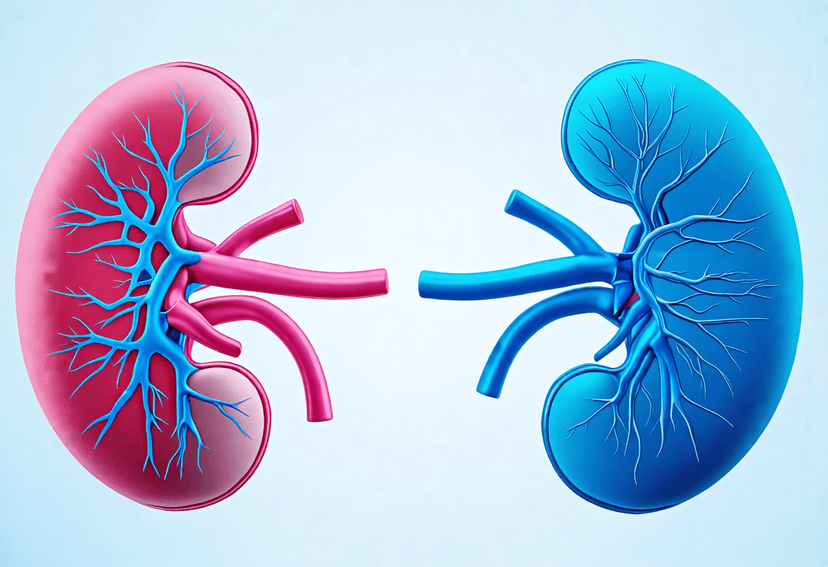
Ang kahalagahan ng paglipat ng bato
Tuklasin ang kahalagahan ng kidney transplant at ang mga benepisyo nito
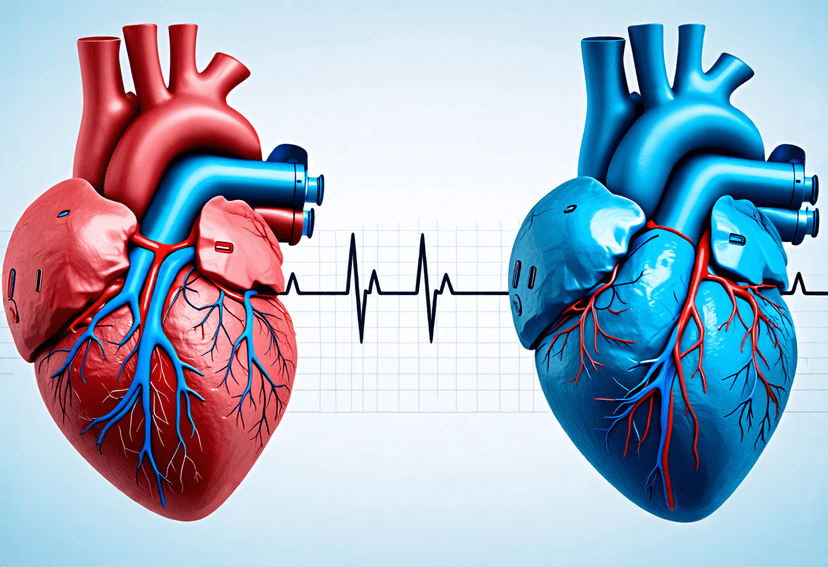
Ang Kinabukasan ng Paglipat ng Puso
Pagsulong at mga makabagong ideya sa paglipat ng puso.

Mga pagbabago sa paglipat ng puso at pamumuhay
Paggawa ng malusog na mga pagpipilian sa pamumuhay pagkatapos ng isang paglipat ng puso.