Ano ang Pinakamatagumpay na Paggamot sa Kanser?
14 Jun, 2022
 Healthtrip Team
Overview
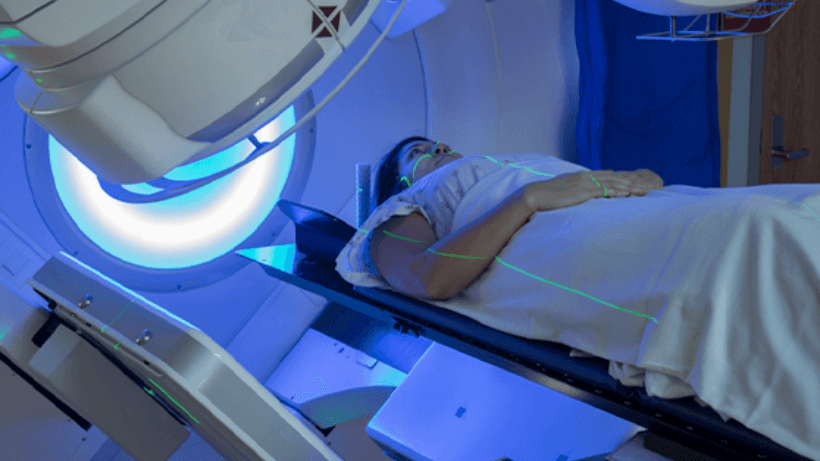
If you or any of your loved ones are suffering from cancer or have undergone cancer therapy, then you know that your doctor might recommend single or multiple treatment options for you. The most common treatments include surgery, chemotherapy, and radiation. Other treatments include targeted therapy, immunotherapy, laser therapy, hormone therapy, and others. And recently, phototherapy has emerged as an effective treatment option. Here, we have discussed various cancer treatments and their efficiency. Keep reading to learn more.
Understanding photodynamic therapy:
To kill cancer cells, photodynamic treatment employs a medication that is triggered by light, known as a photosensitizer or photosensitizing agent. The light can be generated by a laser or another source, such as LEDs. PDT stands for photodynamic treatment.
Pinakatanyag na mga pamamaraan sa India


Photodynamic therapy is most commonly utilized as a local treatment, meaning it only targets a specific region of the body.
Also, Read - 7 Common Cancer Symptoms In Women

Mga Paggamot sa Kaayusan
Bigyan ang iyong sarili ng oras upang makapagpahinga
Garantisadong Pinakamababang Presyo!

Garantisadong Pinakamababang Presyo!
How does this therapy help in treating cancer?
When photosensitized cells are exposed to a specific wavelength of light, the photosensitizer releases a type of oxygen known as an oxygen radical, which destroys the cells.
Photodynamic therapy may potentially damage blood vessels in the tumour, preventing it from receiving the oxygen and nutrients it requires to thrive. Furthermore, it may cause the immune system to fight tumour cells in other parts of the body.
Also, Read - What Are The 7 Warning Signs Of Cancer?
Cancers treated by photodynamic therapy:
The FDA has approved photodynamic treatment for the following conditions:
762 mga pasyente mula sa India piliin ang package na ito para sa kanila Pakete ng Liver Transplant
- keratosis
- Cutaneous T-cell lymphoma
- Barrett's esophagus
- Skin cancer with basal cells
- Carcinoma of the esophagus (throat)
- Lung cancer (non-small cell)
- Skin cancer with squamous cells (Stage 0)
- Photodynamic treatment is also used to treat the symptoms of certain malignancies, such as:
- When esophageal cancer clogs the throat,
- When non-small cell lung cancer obstructs the airways.
Also, Read - A Small Guide to Check Cancer
Advantages of photodynamic therapy:
Because photosensitizers tend to accumulate in aberrant cells and the light is focused squarely on them, photodynamic treatment limits damage to healthy cells.
Photodynamic therapy does not leave scars, making it ideal for people with skin malignancies and precancers.
Also, Read - Best Treatment For Breast Cancer In India
Local or systemic therapy—which one is best for treating cancer?
Our cancer treatments tend to function either locally or systemically. Local therapies, such as surgery or radiation, are effective only in the area in which they are aimed.
Surgery to remove a tumour effectively eliminates the danger of disease in that site, and radiation aids in the killing of cancer cells within the "field" into which the radiation is directed.
Chemotherapy and immunotherapy are examples of systemic medicines that function throughout the body and can be administered intravenously (IV), orally with a pill, or infrequently by injection. Immunotherapy, which is often administered intravenously, stimulates a patient's immune system to recognize and kill cancer.
The purpose of systemic therapy is to treat both obvious diseases on scans as well as any potential microscopic or subclinical disease.
Local therapy is often used when the original tumour is not too large, has not invaded adjacent tissues, and has not migrated to lymph nodes. Local therapy, such as surgery or radiation, can be curative for early-stage malignancies.
However, we have discovered that systemic medicines can also improve outcomes for many high-risk but early-stage tumours and local therapies may be beneficial for certain types of metastatic disease.
How can we help with the treatment?
If you need to undergo hip replacement surgery in India, we will serve as your guide throughout your treatment and will be physically present with you even before your treatment begins. The following will be provided to you:
- Opinions of expert physicians and surgeons
- Transparent communication
- Coordinated care
- Prior appointment with specialists
- Assistance with hospital formalities
- 24*7 availability
- Arrangements for travel
- Assistance for accommodation and healthy recovery
- Assistance in emergencies
We are dedicated to offering the highest quality health trip and care to our patients. We have a team of highly qualified and devoted health professionals that will be by your side from the beginning of your journey.
Pinakatanyag na mga wellness package





Mga Kaugnay na Blog

Discharge at Follow-Up Plan para sa Paggamot sa Kanser sa pamamagitan ng Healthtrip
Magplano ng paggamot sa cancer sa India gamit ang Healthtrip: mga ospital, doktor, visa,

Malayong Konsultasyon para sa Paggamot sa Kanser Bago Maglakbay kasama ang Healthtrip
Magplano ng paggamot sa cancer sa India gamit ang Healthtrip: mga ospital, doktor, visa,

Paghahambing ng Mga Package para sa Paggamot sa Kanser sa Mga Ospital ng Healthtrip
Magplano ng paggamot sa cancer sa India gamit ang Healthtrip: mga ospital, doktor, visa,

Mga Pamantayan sa ICU at Post-Op Care para sa Gabay sa Healthtrip sa Paggamot sa Kanser
Magplano ng paggamot sa cancer sa India gamit ang Healthtrip: mga ospital, doktor, visa,

Pre-Admission Checklist para sa mga Pasyente sa Paggamot ng Kanser sa pamamagitan ng Healthtrip
Magplano ng paggamot sa cancer sa India gamit ang Healthtrip: mga ospital, doktor, visa,
Mga Nangungunang Doktor sa India para sa Paggamot sa Kanser sa Pamamagitan ng Healthtrip
Magplano ng paggamot sa cancer sa India gamit ang Healthtrip: mga ospital, doktor, visa,