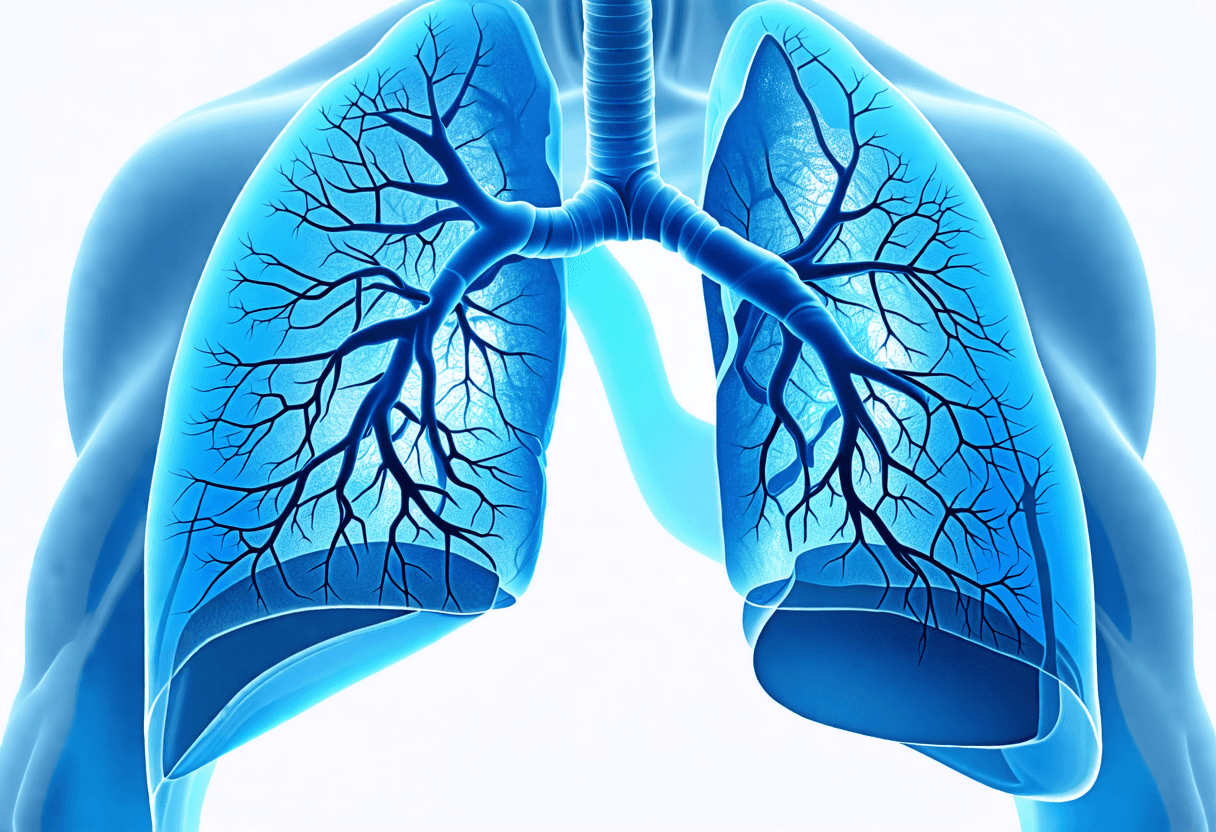
Ano ang Heart-Lung Transplant?
12 Oct, 2024
 Healthtrip
A heart-lung transplant is a life-changing surgical procedure that replaces a person's diseased or damaged heart and lungs with healthy ones from a donor. This complex operation is a beacon of hope for individuals suffering from end-stage heart and lung disease, offering a second chance at life. As medical technology continues to advance, the success rate of heart-lung transplants has increased significantly, making it a viable option for those in dire need.
What to Expect During a Heart-Lung Transplant
The journey to a heart-lung transplant begins with a thorough evaluation process, where a team of medical experts assess the patient's overall health and suitability for the procedure. This includes a series of tests, such as blood work, imaging studies, and cardiac catheterization, to determine the extent of the heart and lung damage. Once deemed a suitable candidate, the patient is placed on a waiting list for a matching donor organ. The wait can be agonizing, but it's crucial to find the perfect match to ensure a successful transplant.
Pinakatanyag na mga pamamaraan sa India

The Surgery Itself
The heart-lung transplant surgery is a intricate and delicate procedure that requires precision and skill. The operation typically lasts several hours, during which the patient is placed under general anesthesia. The surgeon makes an incision in the chest, and the diseased heart and lungs are carefully removed. The donor organs are then implanted, and the blood vessels are connected to ensure proper circulation. The entire process is a testament to human ingenuity and the wonders of modern medicine.

Mga Paggamot sa Kaayusan
Bigyan ang iyong sarili ng oras upang makapagpahinga
Garantisadong Pinakamababang Presyo!

Garantisadong Pinakamababang Presyo!
The Recovery Process
The road to recovery after a heart-lung transplant is long and arduous, but with the right care and support, patients can regain their strength and independence. Immediately after surgery, the patient is taken to the intensive care unit (ICU) for close monitoring. The first few weeks are critical, as the body adjusts to the new organs and the risk of rejection is highest. Medication regimens, including immunosuppressants, are crucial in preventing rejection and ensuring the body accepts the transplanted organs. As the patient progresses, they will undergo rehabilitation therapy to regain physical strength and endurance.
Lifestyle Changes
A heart-lung transplant is not a cure, but rather a new lease on life. To ensure the success of the transplant, patients must make significant lifestyle changes. This includes adhering to a strict medication regimen, attending regular follow-up appointments, and adopting a healthy diet and exercise routine. Patients must also avoid smoking and limit their exposure to infections, as the immune system is compromised. With time, patience, and dedication, individuals can regain their quality of life and live a fulfilling existence.
Challenges and Risks
While a heart-lung transplant can be a lifesaving procedure, it's not without its challenges and risks. The surgery itself carries risks, such as bleeding, infection, and organ rejection. Additionally, the immunosuppressive medications used to prevent rejection can increase the risk of infections and certain cancers. Patients may also experience psychological distress, including anxiety and depression, as they navigate the complex emotional landscape of a transplant. It's essential for patients to be aware of these risks and challenges, but also to focus on the positive outcomes and the opportunity for a second chance at life.
695 mga pasyente mula sa India piliin ang package na ito para sa kanila Pakete ng Liver Transplant
The Future of Heart-Lung Transplants
As medical technology continues to evolve, the future of heart-lung transplants looks promising. Researchers are exploring innovative solutions, such as artificial hearts and lungs, and improving organ preservation techniques to increase the availability of donor organs. The development of gene editing technologies, like CRISPR, may also revolutionize the field, allowing for personalized transplants tailored to individual patients. As we push the boundaries of what is possible, the hope is that heart-lung transplants will become more accessible and successful, offering new hope to those in need.
Pinakatanyag na mga wellness package





Mga Kaugnay na Blog

Ang iyong Ultimate Guide sa Affordable Heart Transplant sa India: Nangungunang Mga Ospital at Mga Doktor
Kunin ang pinakamahusay na paglipat ng puso sa India kasama ang mga dalubhasang doktor
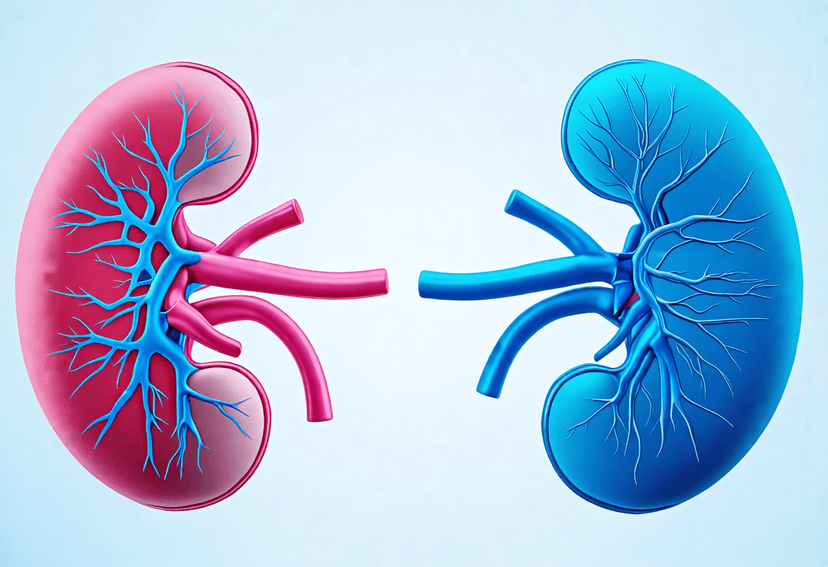
Ang kahalagahan ng paglipat ng bato
Tuklasin ang kahalagahan ng kidney transplant at ang mga benepisyo nito
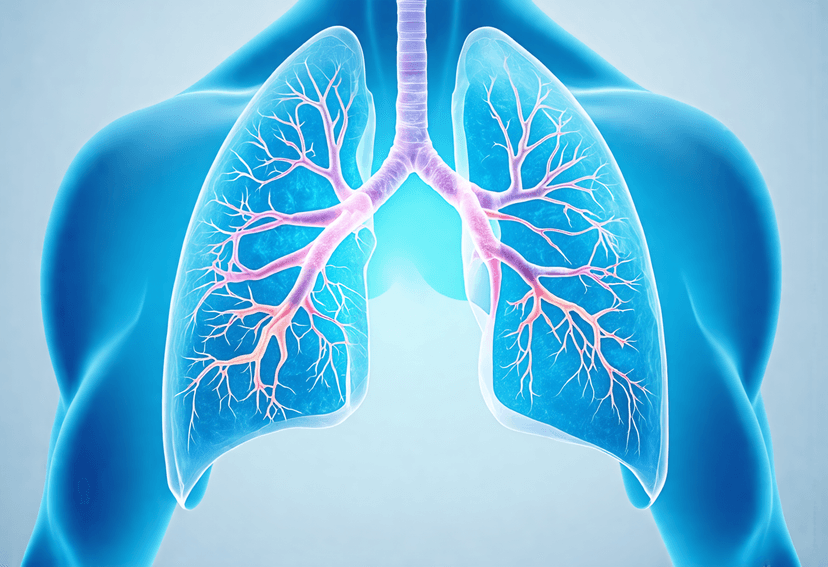
Lung Transplant at Osteoporosis: Ano ang Dapat Malaman
Alamin ang tungkol sa panganib ng osteoporosis pagkatapos ng isang transplant sa baga,
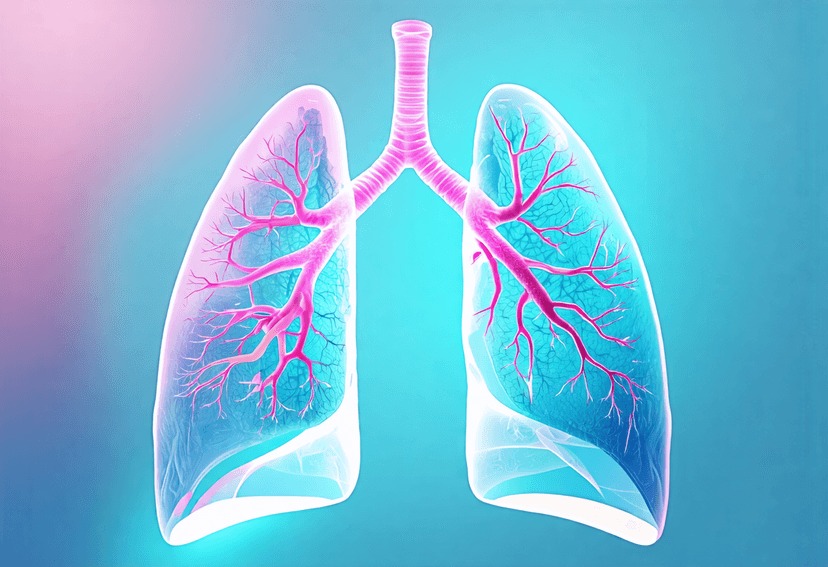
Lung transplant at menopos: Ano ang aasahan
Alamin kung ano ang aasahan kung nakakaranas ka ng menopos pagkatapos
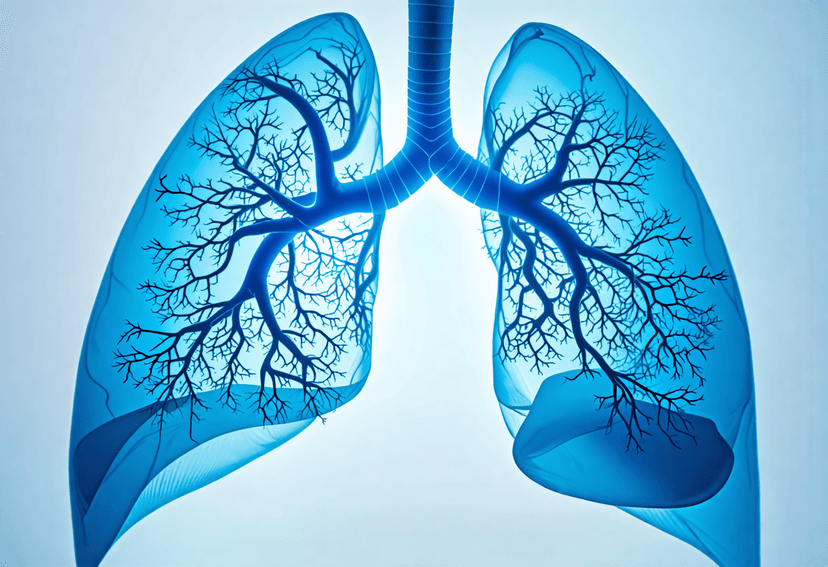
Lung Transplant at Fertility: Ano ang Dapat Malaman
Unawain ang epekto ng paglipat ng baga sa pagkamayabong, kabilang ang kung ano
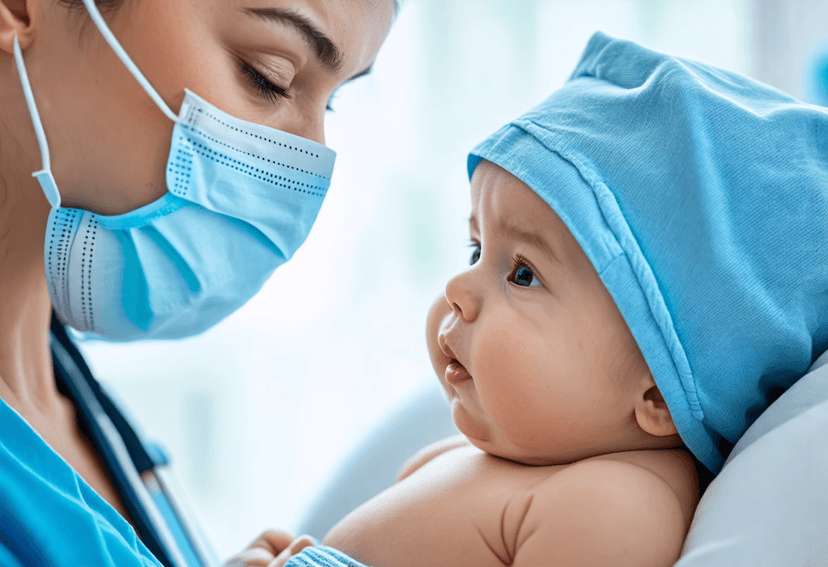
Lung Transplant at Breastfeeding: Ligtas ba?
Alamin ang tungkol sa kaligtasan ng pagpapasuso pagkatapos ng isang transplant sa baga,