
Nag-aalala Tungkol sa Fertility at Vaginal Cancer?
20 Nov, 2023
 Healthtrip Team
Pagdating sa kalusugan ng kababaihan, ang mga paksa ng fertility at cancer, partikular na ang vaginal cancer, ay kadalasang puno ng emosyon, kalituhan, at napakaraming tanong.. Ang pag-unawa sa masalimuot na relasyon sa pagitan ng fertility at vaginal cancer ay mahalaga para sa mga kababaihan na nag-aalala tungkol sa kanilang reproductive health at pangkalahatang kagalingan. Sa komprehensibong gabay na ito, susuriin namin kung ano ang dapat mong malaman tungkol sa dalawang mahalagang aspeto ng kalusugan ng kababaihan.
Pinakatanyag na mga pamamaraan sa India



Ano ang Vaginal Cancer?
Ang kanser sa puki ay isang bihirang uri ng kanser na nabubuo sa mga tisyu ng vaginal. Ito ay maaaring mangyari sa anumang edad ngunit kadalasang matatagpuan sa mga kababaihang higit sa edad 60. Mayroong maraming mga uri ng cancer sa vaginal, ngunit ang pinakakaraniwan ay squamous cell carcinoma, na nagsisimula sa manipis, flat cells na naglinya ng puki.
Ang kanser sa vaginal, kahit na isang hindi gaanong karaniwang uri ng kanser, ay isang makabuluhang pag-aalala para sa kalusugan ng kababaihan. Pangunahing nakakaapekto ito sa mga tisyu ng puki at maaaring magkaroon ng iba't ibang mga implikasyon, kabilang ang sa pagkamayabong.

Mga Paggamot sa Kaayusan
Bigyan ang iyong sarili ng oras upang makapagpahinga
Garantisadong Pinakamababang Presyo!

Garantisadong Pinakamababang Presyo!
Pangunahing Mga Salik at Sintomas ng Panganib
Ang maagang pagtuklas at paggamot ng kanser sa puwerta ay nakasalalay sa pagkilala sa mga kadahilanan at sintomas ng panganib nito. Kabilang sa mga pangunahing kadahilanan ng panganib:
- Impeksyon ng HPV (Human Papillomavirus).: Ang isang makabuluhang bilang ng mga kaso ng cancer sa vaginal ay naka -link sa HPV, lalo na ang mga strain na kilala rin upang maging sanhi ng cervical cancer.
- Kasaysayan ng Cervical Cancer o Precancerous na Kondisyon: Ang mga babaeng nagkaroon ng cervical cancer o precancerous na pagbabago sa cervix ay nasa mas mataas na panganib.
- Paninigarilyo: Ang paninigarilyo ay isang kilalang risk factor para sa maraming mga kanser, kabilang ang vaginal cancer.
- Nanghina ang Immune System: Ito ay maaaring dahil sa iba't ibang mga kadahilanan, kabilang ang ilang mga gamot at HIV/AIDS.
Ang mga karaniwang sintomas ng vaginal cancer ay:
- Abnormal na Pagdurugo ng Puwerta: Lalo na ang mga post-menopause o pagkatapos ng pakikipagtalik.
- Hindi Pangkaraniwang Paglabas ng Puwerta:: Na maaaring magkaroon ng isang hindi normal na kulay o amoy.
- Sakit sa Pagtatalik
- Pananakit ng pelvic: Hindi nauugnay sa panregla cycle o iba pang kilalang mga sanhi.
Alamin ang Higit Pa:
704 mga pasyente mula sa India piliin ang package na ito para sa kanila Pakete ng Liver Transplant
Fertility at ang Intersection nito sa Vaginal Cancer
Ang pagkamayabong ay isang mahalagang aspeto ng buhay ng maraming kababaihan at maaaring malaki ang epekto ng diagnosis ng kanser sa puwerta, lalo na dahil sa mga epekto ng mga paggamot nito.
Mga Implikasyon ng Paggamot sa Fertility
Ang mga pangunahing paggamot para sa kanser sa puwerta ay kinabibilangan ng chemotherapy, radiation therapy, at mga interbensyon sa operasyon, na ang bawat isa ay maaaring magkaroon ng masamang epekto sa pagkamayabong:
- Chemotherapy: Maaaring humantong sa pagbaba sa function ng ovarian, na nakakaapekto sa produksyon ng itlog at balanse ng hormonal.
- Radiation therapy: Maaaring maging sanhi ng pinsala sa mga ovary at matris, na ginagawang mahirap na maglihi o magdala ng pagbubuntis sa termino.
- Mga Pamamagitan sa Kirurhiko: Depende sa lawak ng cancer, ang pagtitistis ay maaaring may kasamang pagtanggal ng matris (hysterectomy), ovaries, o iba pang bahagi ng reproductive system.
Pag-explore ng Fertility Preservation Techniques
Para sa mga babaeng na-diagnose na may vaginal cancer na gustong mapanatili ang kanilang pagkamayabong, maraming mga pamamaraan ang magagamit:
- Pagyeyelo ng Itlog o Embryo (Cryopreservation): Ang prosesong ito ay nagsasangkot ng pagpapasigla sa mga ovary upang makabuo ng maraming itlog, na pagkatapos ay anihin at frozen para magamit sa hinaharap. Kung ang pasyente ay may kapareha o gustong gumamit ng donor sperm, ang mga embryo ay maaaring malikha at magyelo.
- Ovarian Transposition (Oophoropexy): Inililipat ng surgical procedure na ito ang mga ovary sa labas ng radiation field, na posibleng mapangalagaan ang ovarian function at fertility.
- Gonadotropin-Releasing Hormone (GnRH) Agonists: Ang mga gamot na ito ay maaaring gamitin upang pansamantalang sugpuin ang paggana ng ovarian sa panahon ng chemotherapy, na naglalayong bawasan ang panganib ng pinsala sa mga ovary.
Ang isang detalyadong talakayan sa mga fertility specialist at oncologist ay mahalaga upang maunawaan ang pagiging posible, mga panganib, at mga benepisyo ng mga opsyong ito.
Ang Kahalagahan ng Maagang Pagtukoy at Pag-iwas
Ang mga regular na pagsusuri sa ginekologiko, kabilang ang mga Pap smears, ay gumaganap ng isang kritikal na papel sa maagang pagtuklas ng mga pagbabago sa precancerous at kanser sa vaginal.. Para sa mga kababaihan na may pagtaas ng peligro, lalo na sa mga may kasaysayan ng impeksyon sa HPV, ang bakuna sa HPV ay maaaring maging isang makabuluhang panukalang pang -iwas laban sa mga uri ng HPV na kadalasang nauugnay sa mga vaginal at cervical cancer.
Pagtugon sa Epektong Emosyonal at Sikolohikal
Ang diagnosis ng vaginal cancer, kasama ng mga alalahanin tungkol sa pagkamayabong, ay maaaring humantong sa makabuluhang emosyonal at sikolohikal na pagkabalisa. Mahalaga para sa mga babaeng nahaharap sa diagnosis na ito na humingi ng suporta mula sa mga propesyonal sa pangangalagang pangkalusugan, mga tagapayo sa kalusugan ng isip, mga grupo ng suporta, o mga pinagkakatiwalaang mahal sa buhay. Ang kagalingan sa emosyonal ay isang mahalagang sangkap ng paglalakbay sa paggamot at pangkalahatang kalidad ng buhay.
Ang intersection ng fertility at vaginal cancer ay isang kumplikado at mahalagang isyu sa kalusugan ng kababaihan. Sa mga pagsulong sa agham medikal, ang mga kababaihan na nahaharap sa mga hamong ito ay may higit pang mga pagpipilian kaysa dati. Gayunpaman, ang pag-unawa sa mga panganib, sintomas, at mga opsyon sa paggamot ay mahalaga para sa matalinong paggawa ng desisyon. Ang mga regular na pag -screen at bukas na mga talakayan sa mga nagbibigay ng pangangalagang pangkalusugan ay mahalaga sa pag -navigate sa mga alalahanin na ito.
Mag-explore pa
Pinakatanyag na mga wellness package





Mga Kaugnay na Blog

Ang pagbabago ng buhay na may advanced na pangangalaga sa pagkamayabong sa Apollo Fertility Center, New Delhi
Kumuha ng advanced na pangangalaga sa pagkamayabong sa Apollo Fertility Center, New Delhi

Kapanganakan: Pagpapalakas ng kalusugan at kagalingan ng kababaihan
Tuklasin ang komprehensibong mga serbisyo sa pangangalagang pangkalusugan para sa mga kababaihan sa Kapanganakan, isang kilalang
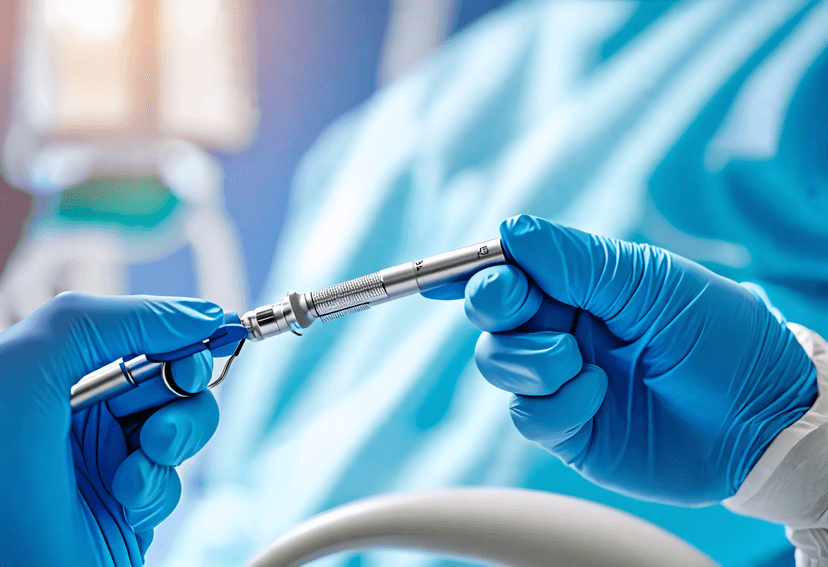
Laparoscopic hysteroscopy: Isang minimally invasive diagnostic tool
Galugarin ang mga pakinabang ng laparoscopic hysteroscopy, isang minimally invasive diagnostic
Laparoscopic hysterectomy: Isang bagong panahon sa kalusugan ng kababaihan
Galugarin ang mga pakinabang ng laparoscopic hysterectomy, isang minimally invasive kirurhiko

Pagyakap sa Kabuuan: Isang Paglalakbay sa Holistic na Kalusugan ng Kababaihan
Tuklasin ang kapangyarihan ng holistic na kalusugan para sa mga kababaihan

Mga Trend ng Kalusugan at Kaayusan ng Kababaihan
Ang pinakabagong mga uso sa holistic na kalusugan at kagalingan ng kababaihan