Pag-unawa sa PET Scan: Isang Comprehensive Guide
11 May, 2023
 Sinabi ni Dr. Divya Nagpal
Medical imaging technology has revolutionized the field of medicine and has made it possible to diagnose and treat various diseases with greater precision. One such technology is the Positron Emission Tomography (PET) scan. A PET scan is a non-invasive diagnostic imaging test that allows doctors to visualize the body's biological functions at a molecular level. In this comprehensive guide, we will discuss everything you need to know about PET scans, including how they work, what they are used for, and what to expect during the procedure.
How Does a PET Scan Work?
Pinakatanyag na mga pamamaraan sa India


A PET scan works by detecting gamma rays emitted from a radioactive tracer that is injected, inhaled or swallowed by the patient. The tracer is a radioactive substance that emits positrons, which are tiny particles that collide with electrons in the body and create gamma rays. These gamma rays are detected by a scanner, which produces a three-dimensional image of the body's internal organs and tissues.
The radioactive tracer used in PET scans is typically a form of glucose, which is a sugar that is taken up by most cells in the body. For example, Cancer cells, have a higher metabolism than normal cells, which means they consume more glucose. This makes it possible to detect cancerous tissue on a PET scan.

Mga Paggamot sa Kaayusan
Bigyan ang iyong sarili ng oras upang makapagpahinga
Garantisadong Pinakamababang Presyo!

Garantisadong Pinakamababang Presyo!
What are PET Scans Used For?
PET scans are used to diagnose and stage cancer, as well as to monitor the effectiveness of cancer treatment. PET scans can also be used to detect other diseases, such as heart disease, Alzheimer's disease, and Parkinson's disease. In addition, PET scans can be used to detect infections, inflammation and other conditions that cause changes in the body's metabolism.
PET scans are often used in combination with other imaging tests, such as computed tomography (CT) or magnetic resonance imaging (MRI), to provide a more detailed picture of the body's internal structures. This is known as a PET/CT or PET/MRI scan.
Preparing for a PET Scan
627 mga pasyente mula sa India piliin ang package na ito para sa kanila Pakete ng Liver Transplant

Before undergoing a PET scan, patients are typically asked to avoid eating or drinking for several hours beforehand, depending on the type of scan being performed. Patients may also be asked to avoid strenuous physical activity for a period of time before the scan.
Patients should inform their doctor if they are pregnant or breastfeeding, as well as if they have any allergies, medical conditions, or medications they are taking. Patients should also inform their doctor if they have a history of claustrophobia, as some PET scanners require patients to lie still inside a narrow tube.
During the PET Scan
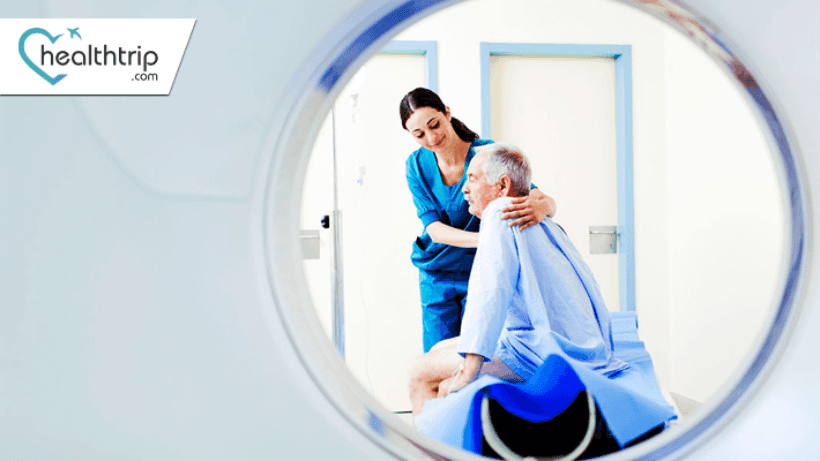
During the PET scan, the patient will be asked to lie still on a table while the scanner rotates around them. The scanner will not touch the patient and is completely painless. The scan typically takes between 30 minutes to an hour to complete.
The patient may be given a mild sedative to help them relax during the scan. Patients may also be asked to hold their breath or perform other simple tasks, such as squeezing a ball, to help improve the quality of the images produced by the scanner.
After the PET Scan
After the PET scan, patients can typically return to their normal activities immediately. The tracer used in the scan will naturally decay and is eliminated from the body within a few hours.
Patients should drink plenty of fluids after the scan to help flush the tracer out of their system. Patients should also avoid close contact with pregnant women and infants for several hours after the scan, as the tracer can be harmful to developing fetuses.
Risks and Benefits of PET Scans
Like all medical procedures, PET scans carry some risks and benefits. The benefits of PET scans include their ability to detect cancer and other diseases at an early stage, as well as their ability to monitor the effectiveness of cancer treatment. PET scans are also non-invasive and do not use ionizing radiation, unlike other imaging tests such as X-rays or CT scans. Additionally, PET scans can provide valuable information that cannot be obtained through other imaging tests, such as information about the body's metabolic processes.
However, PET scans also have some risks. The radioactive tracer used in the scan can expose patients to a small amount of radiation. However, the amount of radiation exposure is generally considered to be safe and is typically less than what a person would receive from a standard X-ray. Additionally, the tracer used in the scan can cause an allergic reaction in some patients.
It is important for patients to discuss the risks and benefits of PET scans with their doctor before undergoing the procedure. In general, the benefits of PET scans outweigh the risks, particularly for patients who have been diagnosed with cancer or other serious diseases.
Conclusion
PET scans are a powerful tool for diagnosing and monitoring a wide range of diseases, including cancer, heart disease, and neurological disorders. PET scans are non-invasive, painless, and provide valuable information about the body's metabolic processes that cannot be obtained through other imaging tests.
If you are scheduled to undergo a PET scan, it is important to prepare for the procedure by following your doctor's instructions and informing them of any medical conditions, medications, or allergies you have. During the procedure, you will be asked to lie still while the scanner rotates around you. After the scan, you can return to your normal activities immediately.
Although PET scans carry some risks, such as exposure to radiation and the potential for an allergic reaction, the benefits of the procedure typically outweigh the risks. If you have any questions or concerns about PET scans, be sure to discuss them with your doctor before the procedure.
Pinakatanyag na mga wellness package





Mga Kaugnay na Blog
Gabay sa HealthTrip sa Turismo ng Transplant ng Liver sa India
Kumpletong Gabay

Ang Mga Benepisyo ng VP Shunt Surgery
Tuklasin ang mga bentahe ng sumasailalim sa operasyon ng VP shunt at kung paano

VP Shunt Surgery: Mga Panganib at Mga Side Effect
Maunawaan ang mga potensyal na panganib at mga epekto ng VP shunt

Ang Mga Panganib at Komplikasyon ng Transforaminal Lumbar Interbody Fusion (TLIF)
Alamin ang tungkol sa mga panganib at komplikasyon na nauugnay sa transforaminal lumbar

Transforaminal lumbar interbody fusion (TLIF) at minimally invasive surgery
Tuklasin ang mga pakinabang ng transforaminal lumbar interbody fusion at minimally

Rotator Cuff Surgery: Pag-unawa sa Mga Panganib at Komplikasyon
Ano ang dapat malaman tungkol sa mga potensyal na panganib at komplikasyon