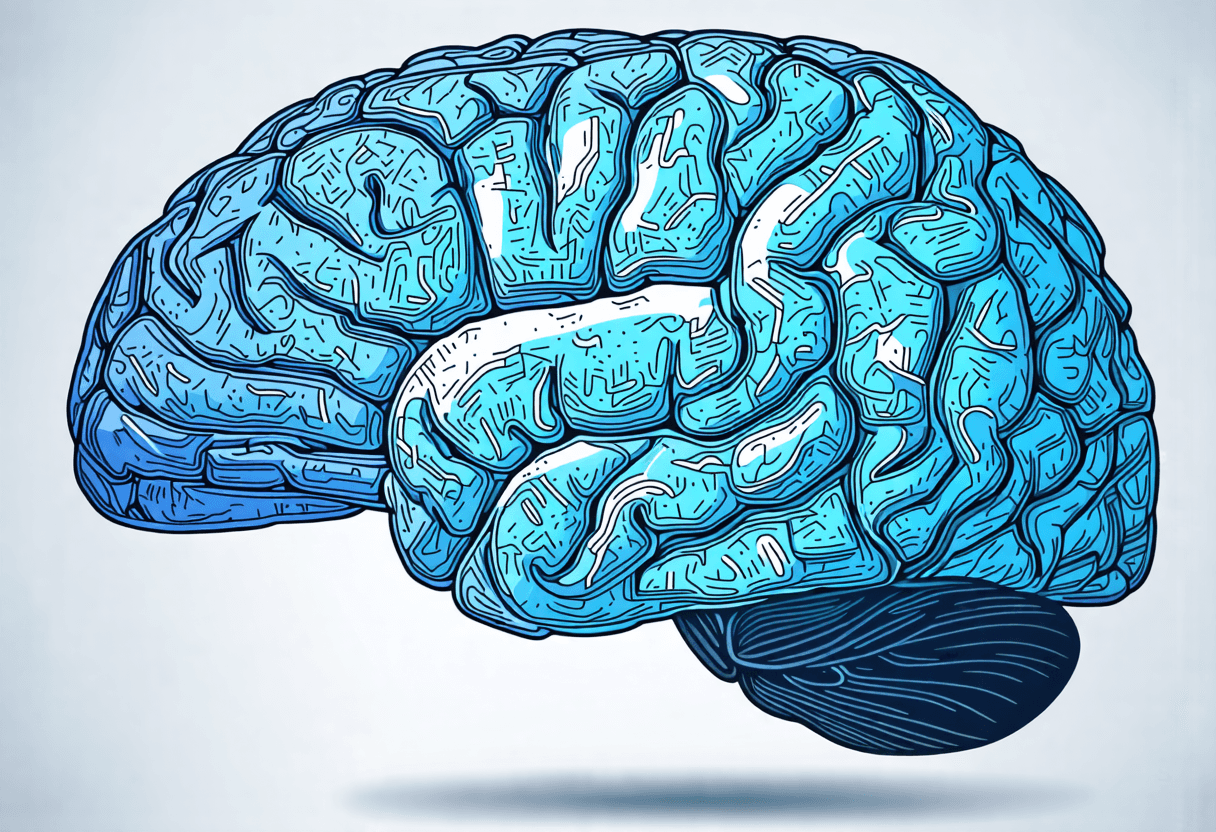
Pag -unawa sa kanser sa utak
09 Oct, 2024
 Healthtrip
Imagine being in the prime of your life, with a loving family, a fulfilling career, and a bright future ahead. Then, out of nowhere, you're hit with a devastating diagnosis: brain cancer. Your world is turned upside down, and suddenly, everything you thought you knew about life is put to the test. The uncertainty, the fear, the overwhelming sense of vulnerability – it's a nightmare that no one should ever have to face. And yet, every year, thousands of people are forced to confront this very reality.
What is Brain Cancer?
Brain cancer, also known as brain tumors, occurs when abnormal cells in the brain multiply and grow uncontrollably, forming a mass or tumor. These tumors can be either benign (non-cancerous) or malignant (cancerous). Benign tumors tend to be slow-growing and typically don't spread to other parts of the body. Malignant tumors, on the other hand, are aggressive, fast-growing, and can invade and destroy surrounding brain tissue, as well as spread to other parts of the body.
Pinakatanyag na mga pamamaraan sa India





Types of Brain Cancer
There are over 120 different types of brain tumors, each with its own unique characteristics and prognosis. Some of the most common types of brain cancer include glioblastoma, medulloblastoma, meningioma, and astrocytoma. Glioblastoma, for instance, is the most aggressive and malignant type of brain cancer, with a five-year survival rate of only around 5%. Medulloblastoma, on the other hand, is a type of brain cancer that typically affects children and has a relatively high survival rate.

Mga Paggamot sa Kaayusan
Bigyan ang iyong sarili ng oras upang makapagpahinga
Garantisadong Pinakamababang Presyo!

Garantisadong Pinakamababang Presyo!
Symptoms of Brain Cancer
The symptoms of brain cancer can be subtle and varied, making it difficult to diagnose. Some common symptoms include headaches, seizures, memory loss, confusion, difficulty with speech or language, vision problems, and weakness or numbness in the arms or legs. These symptoms can be caused by the tumor itself or by the pressure it puts on surrounding brain tissue. In some cases, brain cancer may not cause any noticeable symptoms until it has reached an advanced stage.
Diagnosing Brain Cancer
Diagnosing brain cancer typically involves a combination of imaging tests, such as CT or MRI scans, and biopsy. Imaging tests can help identify the location and size of the tumor, while a biopsy involves removing a sample of tissue from the tumor to examine it for cancer cells. In some cases, a lumbar puncture (spinal tap) may also be performed to collect cerebrospinal fluid for examination.
Treatment Options for Brain Cancer
Treatment for brain cancer usually involves a combination of surgery, radiation therapy, and chemotherapy. Surgery is often the first step, with the goal of removing as much of the tumor as possible. Radiation therapy uses high-energy radiation to kill cancer cells, while chemotherapy uses drugs to destroy cancer cells. In some cases, targeted therapy may also be used to target specific molecules involved in the growth and spread of cancer cells.
632 mga pasyente mula sa India piliin ang package na ito para sa kanila Pakete ng Liver Transplant

New Hope for Brain Cancer Patients
In recent years, there have been significant advances in the treatment of brain cancer. Immunotherapy, for instance, has shown promising results in clinical trials. This innovative approach harnesses the power of the immune system to fight cancer, offering new hope for patients with brain cancer. Additionally, researchers are exploring the potential of gene therapy, which involves using genes to prevent or treat cancer.
Coping with Brain Cancer
Receiving a brain cancer diagnosis can be a life-altering experience, affecting not only the patient but also their loved ones. Coping with the emotional, physical, and financial challenges of brain cancer requires a strong support system, including family, friends, and healthcare professionals. It's essential to stay informed, ask questions, and seek out resources and support groups to help navigate this difficult journey.
Conclusion (removed)
Pinakatanyag na mga wellness package





Mga Kaugnay na Blog

Discharge at Follow-Up Plan para sa Paggamot sa Kanser sa pamamagitan ng Healthtrip
Magplano ng paggamot sa cancer sa India gamit ang Healthtrip: mga ospital, doktor, visa,

Malayong Konsultasyon para sa Paggamot sa Kanser Bago Maglakbay kasama ang Healthtrip
Magplano ng paggamot sa cancer sa India gamit ang Healthtrip: mga ospital, doktor, visa,
Paghahambing ng Mga Package para sa Paggamot sa Kanser sa Mga Ospital ng Healthtrip
Magplano ng paggamot sa cancer sa India gamit ang Healthtrip: mga ospital, doktor, visa,

Mga Pamantayan sa ICU at Post-Op Care para sa Gabay sa Healthtrip sa Paggamot sa Kanser
Magplano ng paggamot sa cancer sa India gamit ang Healthtrip: mga ospital, doktor, visa,

Pre-Admission Checklist para sa mga Pasyente sa Paggamot ng Kanser sa pamamagitan ng Healthtrip
Magplano ng paggamot sa cancer sa India gamit ang Healthtrip: mga ospital, doktor, visa,

Mga Nangungunang Doktor sa India para sa Paggamot sa Kanser sa Pamamagitan ng Healthtrip
Magplano ng paggamot sa cancer sa India gamit ang Healthtrip: mga ospital, doktor, visa,