
The Unseen Enemy: The Rise of Vaginal Cancer
04 Oct, 2024
 Healthtrip
Ang cancer sa vaginal, isang uri ng kanser na nakakaapekto sa puki, ay isang bihirang ngunit nakamamatay na sakit na nakakaapekto sa libu -libong kababaihan sa buong mundo. Sa kabila ng pambihira nito, mahalaga na itaas ang kamalayan tungkol sa kundisyong ito, dahil ang maagang pagtuklas at paggamot ay maaaring makabuluhang mapabuti ang mga rate ng kaligtasan. Sa blog na ito, susuriin natin ang mundo ng vaginal cancer, tuklasin ang mga sanhi, sintomas, diagnosis, opsyon sa paggamot, at higit sa lahat, mga paraan para maiwasan ito.
Pag-unawa sa Vaginal Cancer
Ang cancer sa vaginal ay isang uri ng kanser na nagmula sa puki, na kung saan ay ang muscular kanal na nag -uugnay sa cervix (ang mas mababang bahagi ng matris) sa labas ng katawan. Ito ay isang bihirang sakit, na nagkakahalaga lamang ng mga 1% ng lahat ng mga gynecologic cancer sa Estados Unidos. Gayunpaman, mahalagang tandaan na ang vaginal cancer ay maaaring mangyari sa mga kababaihan sa lahat ng edad, kahit na sa mga dumaan sa menopause.
Pinakatanyag na mga pamamaraan sa India





Ang Mga Sanhi ng Kanser sa Vaginal
Habang ang eksaktong sanhi ng cancer sa vaginal ay hindi pa rin alam, maraming mga kadahilanan ng peligro ang nakilala. Kabilang dito ang impeksyon sa human papillomavirus (HPV), na siyang pinakakaraniwang sanhi ng vaginal cancer, pati na rin ang kasaysayan ng cervical cancer o vaginal intraepithelial neoplasia (VAIN). Ang iba pang mga kadahilanan ng peligro ay kinabibilangan ng paninigarilyo, pagiging higit sa 60 taong gulang, at pagkakaroon ng isang mahina na immune system.

Mga Paggamot sa Kaayusan
Bigyan ang iyong sarili ng oras upang makapagpahinga
Garantisadong Pinakamababang Presyo!

Garantisadong Pinakamababang Presyo!
Pagkilala sa mga Sintomas ng Vaginal Cancer
Ang mga sintomas ng kanser sa puwerta ay maaaring banayad at maaaring maging katulad ng iba pang mga kondisyon, kaya mahalagang kumunsulta sa isang tagapagbigay ng pangangalagang pangkalusugan kung may matukoy na hindi pangkaraniwang mga pagbabago. Kasama sa mga karaniwang sintomas ang hindi normal na pagdurugo o paglabas, sakit sa panahon ng sex, masakit na pag -ihi, at isang bukol o masa sa puki. Sa ilang mga kaso, ang mga kababaihan ay maaaring hindi makaranas ng anumang mga sintomas, kung kaya't ang mga regular na check-up ay mahalaga.
Ang Kahalagahan ng Maagang Pagtukoy
Ang maagang pagtuklas ay kritikal sa paggamot ng vaginal cancer. Kung masuri sa maagang yugto nito, ang 5-taong survival rate ay nasa paligid 84%. Gayunpaman, kung ang kanser ay kumalat sa ibang bahagi ng katawan, ang survival rate ay bumaba nang malaki. Itinatampok nito ang kahalagahan ng regular na pagsusuri, pati na rin ang pagiging kamalayan sa anumang pagbabago sa katawan.
Pag-diagnose ng Vaginal Cancer
Ang pag -diagnose ng cancer sa vaginal ay karaniwang nagsasangkot ng isang kumbinasyon ng mga pisikal na pagsusulit, mga pagsubok sa imaging, at biopsies. Sa panahon ng isang pisikal na pagsusulit, ang isang tagapagbigay ng pangangalagang pangkalusugan ay magsasagawa ng isang pelvic exam upang suriin para sa anumang mga abnormalidad. Ang mga pagsusuri sa imaging, tulad ng mga pag -scan ng CT o MRI, ay maaaring magamit upang matukoy kung ang kanser ay kumalat sa iba pang mga bahagi ng katawan. Ang isang biopsy, na nagsasangkot sa pag -alis ng isang maliit na sample ng tisyu mula sa puki, ay ang pinaka tiyak na paraan upang masuri ang cancer sa vaginal.
621 mga pasyente mula sa India piliin ang package na ito para sa kanila Pakete ng Liver Transplant

Mga pagpipilian sa paggamot para sa cancer sa vaginal
Ang paggamot para sa cancer sa vaginal ay karaniwang nagsasangkot ng isang kumbinasyon ng operasyon, radiation therapy, at chemotherapy. Ang uri ng paggamot na ginamit ay nakasalalay sa entablado at lokasyon ng kanser, pati na rin ang pangkalahatang kalusugan ng pasyente. Ang operasyon ay maaaring kasangkot sa pag -alis ng tumor, puki, o iba pang mga apektadong tisyu. Gumagamit ang radiation therapy ng mga high-energy ray upang patayin ang mga selula ng kanser, habang ang chemotherapy ay gumagamit ng mga gamot upang sirain ang mga selula ng kanser.
Pumipigil sa cancer sa vaginal
Habang walang paraan ng surefire upang maiwasan ang kanser sa vaginal, maraming mga hakbang na maaaring gawin ng mga kababaihan upang mabawasan ang kanilang panganib. Kabilang dito ang pagpapabakuna laban sa HPV, pagsasanay ng ligtas na pakikipagtalik, pagtigil sa paninigarilyo, at pagkuha ng regular na check-up. Bukod pa rito, ang mga babaeng nagkaroon ng hysterectomy (pagtanggal ng matris) ay dapat pa ring magsagawa ng regular na pagsusuri sa sarili at kumunsulta sa kanilang tagapagbigay ng pangangalagang pangkalusugan kung makaranas sila ng anumang hindi pangkaraniwang sintomas.
Pagtaas ng kamalayan at paglabag sa katahimikan
Ang kanser sa puki ay kadalasang nababalot ng katahimikan, na maraming kababaihan ang nahihiya o nahihiya na talakayin ang kanilang mga sintomas o diagnosis. Gayunpaman, mahalagang basagin ang katahimikang ito at itaas ang kamalayan tungkol sa kundisyong ito. Sa pamamagitan ng pagbabahagi ng kanilang mga kwento at karanasan, mabibigyang kapangyarihan ng mga kababaihan ang iba na kontrolin ang kanilang kalusugan at humingi ng medikal na atensyon kung makaranas sila ng anumang hindi pangkaraniwang sintomas.
Pinakatanyag na mga wellness package





Mga Kaugnay na Blog
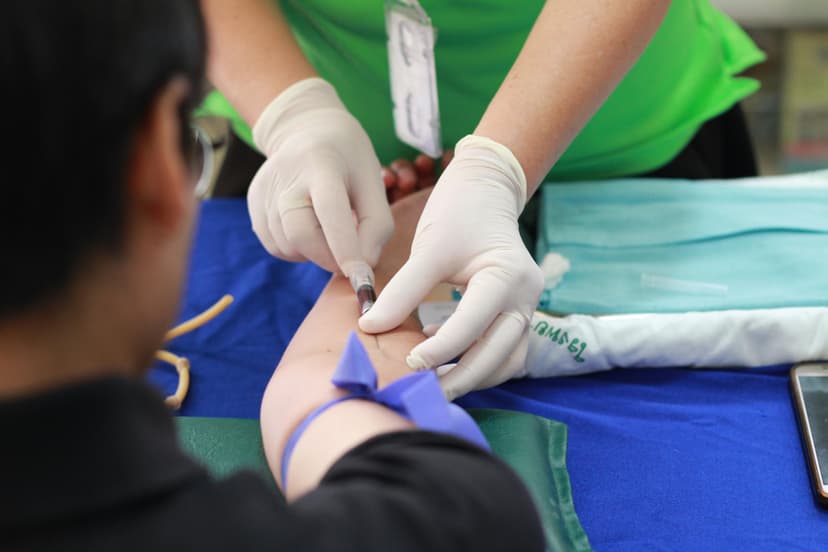
Ang Hindi Nakikitang Kaaway: Ang Pagtaas ng Squamous Cell Carcinoma
Ang squamous cell carcinoma ay isang uri ng kanser na nakakaapekto

Ang hindi natukoy na teritoryo ng kanser sa bulkan
Ang cancer ng Vulvar ay isang uri ng kanser na nakakaapekto sa
Ang hindi natukoy na tubig ng kanser sa may isang ina
Ang kanser sa may isang ina ay isang uri ng kanser na nakakaapekto sa
Ang mga Nakatagong Panganib ng Ovarian Cancer
Ang kanser sa ovarian ay isang uri ng kanser na nakakaapekto sa

Isinasaalang-alang ang Alternatibong Therapies para sa Vaginal Cancer?
Ang kanser sa puki, isang medyo hindi pangkaraniwan ngunit kumplikadong kondisyon, ay kadalasang nakakaapekto

Paano Nakakaimpluwensya ang Mga Hormone sa Kanser sa Puwerta?
Kanser sa puki, isang bihirang uri ng kanser na nakakaapekto sa ari