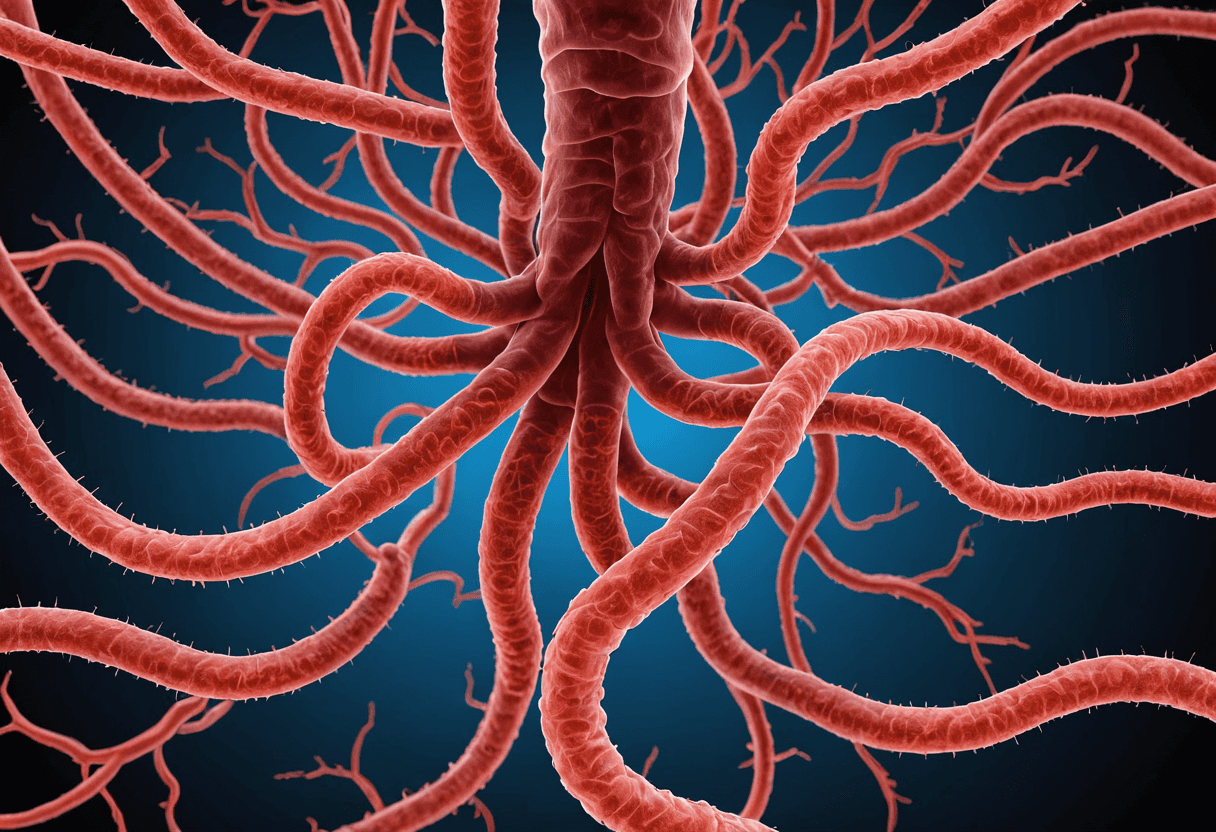
Ang Uncharted Territory of Small Intestine Cancer
04 Oct, 2024
 Healthtrip
Isipin ang pagkakaroon ng isang bihirang at agresibong uri ng cancer na nakakaapekto sa isang bahagi ng iyong katawan na bihira mong isipin - ang maliit na bituka. Ito ay isang mahalagang organ, na responsable para sa karamihan ng aming pagsipsip ng nutrisyon, subalit madalas itong hindi mapapansin hanggang sa may isang bagay na napakalawak na mali. Ang kanser sa maliit na bituka, na kilala rin bilang kanser sa maliit na bituka, ay isang uri ng kanser na nakakaapekto sa maliit na bituka, na nag-uugnay sa tiyan sa malaking bituka. Ito ay isang bihirang sakit, na nagkakahalaga lamang ng halos 1% ng lahat ng mga cancer sa gastrointestinal, ngunit ang epekto nito sa mga pasyente at kanilang pamilya ay maaaring mapahamak.
Ano ang maliit na kanser sa bituka?
Ang kanser sa maliit na bituka ay nangyayari kapag ang mga abnormal na selula sa lining ng maliit na bituka ay lumalaki at dumami nang hindi mapigilan, na bumubuo ng isang tumor. Ang mga bukol na ito ay maaaring maging benign (hindi cancerous) o malignant (cancerous). Ang mga malignant na tumor ay maaaring sumalakay sa mga kalapit na tisyu at organo, at kumalat pa sa ibang bahagi ng katawan sa pamamagitan ng daluyan ng dugo o lymphatic system. Ang pinakakaraniwang uri ng kanser sa maliit na bituka ay ang adenocarcinoma, na nagmumula sa mga glandular na selula sa lining ng maliit na bituka.
Pinakatanyag na mga pamamaraan sa India



Mga Salik at Sanhi ng Panganib
Habang ang eksaktong mga sanhi ng kanser sa maliit na bituka ay hindi pa rin lubos na nauunawaan, ang ilang mga kadahilanan ay maaaring magpataas ng panganib ng isang tao na magkaroon ng sakit. Kabilang dito ang family history ng small intestine cancer, Crohn's disease, celiac disease, at ilang mga minanang sindrom gaya ng familial adenomatous polyposis (FAP). Bukod pa rito, ang mga taong nagkaroon ng radiation therapy sa tiyan o nalantad sa ilang partikular na kemikal, gaya ng mga pestisidyo, ay maaari ding nasa mas mataas na panganib.

Mga Paggamot sa Kaayusan
Bigyan ang iyong sarili ng oras upang makapagpahinga
Garantisadong Pinakamababang Presyo!

Garantisadong Pinakamababang Presyo!
Sintomas at Diagnosis
Ang mga sintomas ng kanser sa maliit na bituka ay maaaring malabo at hindi tiyak, na ginagawang mahirap mag-diagnose. Maaaring kabilang sa mga ito ang pananakit ng tiyan, pagbaba ng timbang, pagtatae, pagsusuka, at pagkapagod. Sa ilang mga kaso, ang mga pasyente ay maaaring makaranas ng bara sa bituka, na maaaring humantong sa matinding pananakit ng tiyan, pagduduwal, at pagsusuka. Dahil ang mga sintomas ay katulad ng sa iba pang mga gastrointestinal na kondisyon, ang diagnosis ay madalas na naantala, at ang kanser ay maaaring umunlad sa oras na ito ay natukoy.
Mga Pagsusuri sa Diagnostic
Upang masuri ang maliit na kanser sa bituka, ang mga doktor ay maaaring gumamit ng isang kumbinasyon ng mga pagsubok sa imaging, kabilang ang mga computed tomography (CT) na mga pag -scan, pag -scan ng magnetic resonance (MRI), at pag -scan ng positron emission tomography (PET. Maaari rin silang magsagawa ng endoscopy, kung saan ipinapasok ang isang flexible tube na may camera sa bibig o tumbong para makita ang loob ng maliit na bituka. Ang isang biopsy, kung saan ang isang sample ng tissue ay kinuha mula sa tumor, ay karaniwang kinakailangan upang kumpirmahin ang diagnosis.
Mga Opsyon sa Paggamot
Ang paggamot para sa maliit na kanser sa bituka ay karaniwang nagsasangkot ng isang kumbinasyon ng operasyon, chemotherapy, at radiation therapy. Ang layunin ng operasyon ay alisin ang tumor at anumang apektadong nakapalibot na tisyu. Ang Chemotherapy ay maaaring magamit upang pag -urong ang tumor bago ang operasyon o pumatay ng anumang natitirang mga selula ng kanser pagkatapos ng operasyon. Maaaring gamitin ang radiation therapy upang mapawi ang mga sintomas at mapabuti ang kalidad ng buhay.
667 mga pasyente mula sa India piliin ang package na ito para sa kanila Pakete ng Liver Transplant

Mga Opsyon sa Pag-opera
Ang operasyon ay ang pangunahing paggamot para sa kanser sa maliit na bituka, at ang uri ng operasyon na ginamit ay depende sa lokasyon at laki ng tumor. Sa ilang mga kaso, maaaring isagawa ang isang laparoscopic surgery, kung saan maraming maliliit na incision ang ginawa sa tiyan, at ang isang camera at dalubhasang mga instrumento ay ginagamit upang alisin ang tumor. Sa iba pang mga kaso, maaaring kailanganin ang isang bukas na operasyon, kung saan ang isang mas malaking paghiwa ay ginawa sa tiyan.
Pagharap sa Kanser sa Maliit na Bituka
Ang pagtanggap ng diagnosis ng kanser sa maliit na bituka ay maaaring maging napakalaki at emosyonal. Ang mga pasyente at kanilang pamilya ay maaaring makaranas ng damdamin ng pagkabigla, pagtanggi, galit, at takot. Mahalagang magkaroon ng isang malakas na sistema ng suporta, kabilang ang pamilya, mga kaibigan, at isang pangkat ng pangangalagang pangkalusugan, upang makatulong na i-navigate ang paglalakbay sa paggamot. Dapat ding isaalang -alang ng mga pasyente ang pagsali sa isang grupo ng suporta, kung saan maaari silang kumonekta sa iba na dumadaan sa isang katulad na karanasan.
Sa kabila ng mga hamon, may pag -asa para sa mga pasyente na may maliit na kanser sa bituka. Sa mga pagsulong sa teknolohiyang medikal at mga opsyon sa paggamot, ang mga rate ng kaligtasan ay bumubuti, at ang mga pasyente ay nabubuhay nang mas mahaba, mas malusog na buhay. Sa pamamagitan ng pagtaas ng kamalayan tungkol sa bihirang sakit na ito, maaari tayong magtulungan upang mapagbuti ang diagnosis, paggamot, at mga kinalabasan para sa mga pasyente na may maliit na kanser sa bituka.
Pinakatanyag na mga wellness package





Mga Kaugnay na Blog
Ang hindi natukoy na teritoryo ng T-cell lymphoma
Ang T-cell lymphoma ay isang uri ng kanser na nakakaapekto sa

Ang hindi natukoy na teritoryo ng kanser sa bulkan
Ang cancer ng Vulvar ay isang uri ng kanser na nakakaapekto sa

Ang hindi natukoy na teritoryo ng Thymoma
Ang thymoma ay isang bihirang uri ng kanser na nakakaapekto sa

Ang Nakalimutan na Kanser: Isang Paghahanap sa Kanser sa Appendix
Ang Kanser sa Appendix ay isang bihirang uri ng kanser na nakakaapekto

Cancer's Dark Horse: Pag-unawa sa Adenoid Cystic Carcinoma
Ang adenoid cystic carcinoma ay isang bihirang uri ng cancer na

Liposarcoma: Ang Matabang Kanser
Ang Liposarcoma ay isang uri ng kanser na nakakaapekto sa taba