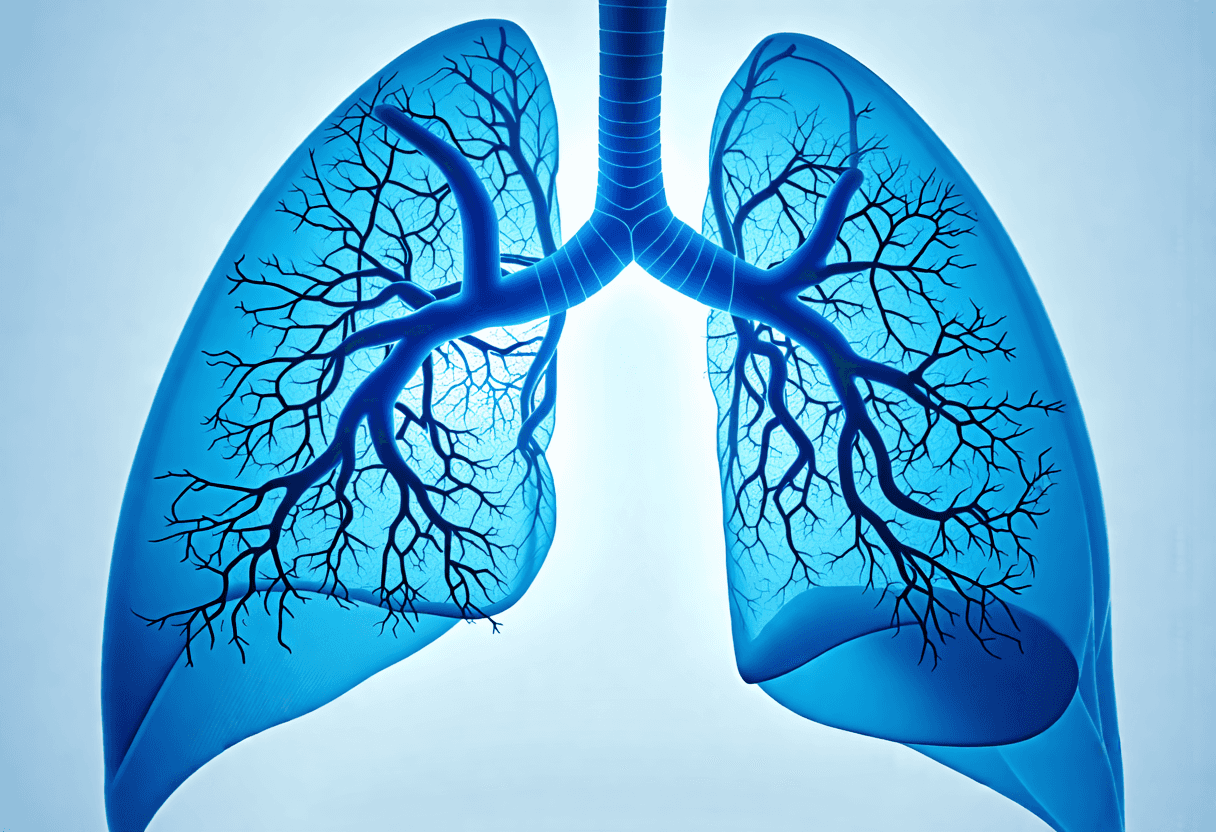
Ang Mga Panganib at Mga Benepisyo ng Lung Transplant
12 Oct, 2024
 Healthtrip
Lung transplantation is a life-changing surgical procedure that involves replacing a diseased or damaged lung with a healthy one from a donor. While it offers a new lease of life for many patients suffering from end-stage lung disease, it also comes with its own set of risks and benefits. As medical technology continues to advance, the number of lung transplants performed globally has increased significantly, making it essential to understand the pros and cons of this complex procedure.
Benefits of Lung Transplant
For individuals suffering from severe lung disease, a lung transplant can significantly improve their quality of life. The benefits of lung transplant are numerous and can be life-altering. One of the most significant advantages is the improvement in lung function, which enables patients to breathe easily and perform daily activities without feeling exhausted. This, in turn, enhances their overall physical and mental well-being. Additionally, a lung transplant can increase the patient's life expectancy, allowing them to live for several years longer than they would have without the transplant.
Pinakatanyag na mga pamamaraan sa India


Improved Quality of Life
A lung transplant can dramatically improve a patient's quality of life by enabling them to perform everyday tasks without struggling for breath. Simple activities like walking, climbing stairs, or even taking a shower become possible again, giving patients a sense of independence and confidence. Furthermore, a lung transplant can also improve a patient's mental health by reducing anxiety and depression, which are common comorbidities associated with chronic lung disease.

Mga Paggamot sa Kaayusan
Bigyan ang iyong sarili ng oras upang makapagpahinga
Garantisadong Pinakamababang Presyo!

Garantisadong Pinakamababang Presyo!
Risks and Complications of Lung Transplant
While a lung transplant offers numerous benefits, it is a complex surgical procedure that comes with its own set of risks and complications. One of the most significant risks is rejection, where the body's immune system rejects the transplanted lung, leading to serious health consequences. Other potential risks and complications include infection, bleeding, and respiratory failure, which can be life-threatening if not managed promptly. Moreover, lung transplant patients are at a higher risk of developing certain cancers, such as skin cancer and lymphoma, due to the long-term use of immunosuppressive medications.
Rejection and Infection
Rejection is a significant risk factor for lung transplant patients, and it can occur at any time after the surgery. The symptoms of rejection can be subtle, making it essential for patients to attend regular follow-up appointments with their healthcare provider. Infection is another common complication that can occur after a lung transplant, particularly in the first year after surgery. Bacterial, viral, and fungal infections can all occur, and prompt treatment is crucial to prevent serious health consequences.
The Road to Recovery
The recovery process after a lung transplant is long and challenging, requiring a significant amount of time, effort, and dedication. Patients typically spend several weeks in the hospital after surgery, followed by several months of rehabilitation and recovery at home. During this time, patients must adhere to a strict regimen of medications, exercise, and lifestyle modifications to ensure a successful recovery. Additionally, patients must also attend regular follow-up appointments with their healthcare provider to monitor their progress and address any potential complications promptly.
627 mga pasyente mula sa India piliin ang package na ito para sa kanila Pakete ng Liver Transplant

Medication and Lifestyle Modifications
After a lung transplant, patients must take immunosuppressive medications for the rest of their lives to prevent rejection. These medications can have significant side effects, such as weight gain, high blood pressure, and increased risk of infection. Patients must also make significant lifestyle modifications, including quitting smoking, exercising regularly, and avoiding close contact with people who are sick. By adhering to these guidelines, patients can minimize the risk of complications and ensure a successful recovery.
Conclusion
In conclusion, a lung transplant is a complex surgical procedure that offers numerous benefits for individuals suffering from end-stage lung disease. While it comes with its own set of risks and complications, the benefits of improved lung function, increased life expectancy, and enhanced quality of life make it a viable option for many patients. By understanding the risks and benefits of lung transplant, patients can make informed decisions about their healthcare and take the necessary steps to ensure a successful recovery.
Pinakatanyag na mga wellness package





Mga Kaugnay na Blog
Gabay sa HealthTrip sa Turismo ng Transplant ng Liver sa India
Kumpletong Gabay

Ang Mga Benepisyo ng VP Shunt Surgery
Tuklasin ang mga bentahe ng sumasailalim sa operasyon ng VP shunt at kung paano

VP Shunt Surgery: Mga Panganib at Mga Side Effect
Maunawaan ang mga potensyal na panganib at mga epekto ng VP shunt

Ang Mga Panganib at Komplikasyon ng Transforaminal Lumbar Interbody Fusion (TLIF)
Alamin ang tungkol sa mga panganib at komplikasyon na nauugnay sa transforaminal lumbar

Transforaminal lumbar interbody fusion (TLIF) at minimally invasive surgery
Tuklasin ang mga pakinabang ng transforaminal lumbar interbody fusion at minimally

Rotator Cuff Surgery: Pag-unawa sa Mga Panganib at Komplikasyon
Ano ang dapat malaman tungkol sa mga potensyal na panganib at komplikasyon