Ang kahalagahan ng pagsusuri sa sarili para sa pagtuklas ng kanser sa bibig
17 Oct, 2024
 Healthtrip
Habang ginagawa natin ang ating pang-araw-araw na buhay, madaling makaligtaan ang ating sariling kalusugan at kagalingan, lalo na pagdating sa ating mga bibig. Ngunit ang totoo, ang ating mga bibig ay isang bintana sa ating pangkalahatang kalusugan, at ang pagpapabaya sa kanila ay maaaring magkaroon ng malubhang kahihinatnan. Ang isa sa pinakamahalagang panganib ng pagpapabaya sa ating kalusugan sa bibig ay ang pagkakaroon ng kanser sa bibig. Ayon sa World Health Organization, ang cancer sa bibig ay isa sa mga pinaka -karaniwang uri ng cancer sa buong mundo, na may higit sa 500,000 mga bagong kaso na iniulat bawat taon. Ang mabuting balita ay ang maagang pagtuklas at paggamot ay maaaring makabuluhang mapabuti ang mga rate ng kaligtasan ng buhay at kalidad ng buhay. Dito pumapasok ang pagsusuri sa sarili – isang mahalagang hakbang sa maagang pagtuklas ng kanser sa bibig, at kontrolin ang ating kalusugan.
Ang Mga Panganib ng Kanser sa Bibig
Ang kanser sa bibig ay maaaring makaapekto sa sinuman, ngunit ang ilang mga kadahilanan ay nagdaragdag ng panganib. Kabilang dito ang paninigarilyo, pagnguya ng tabako, labis na pag-inom ng alak, at diyeta na kulang sa prutas at gulay. Ang tao na papillomavirus (HPV) ay isang kilalang kadahilanan ng peligro, lalo na para sa cancer ng oropharyngeal. Gayunpaman, mahalagang tandaan na ang kanser sa bibig ay maaaring makaapekto sa sinuman, anuman ang kanilang pamumuhay o kasaysayan ng kalusugan. Ito ang dahilan kung bakit mahalaga ang pagsusuri sa sarili, dahil pinapayagan nito ang mga indibidwal na makilala ang mga potensyal na sintomas nang maaga at maghanap ng medikal na atensyon kung kinakailangan.
Pinakatanyag na mga pamamaraan sa India


Ang Kahalagahan ng Maagang Pagtukoy
Ang maagang pagtuklas ay kritikal sa paggamot ng kanser sa bibig. Kapag nahuli sa mga unang yugto nito, ang kanser sa bibig ay lubos na magagamot, at ang limang taong rate ng kaligtasan ay nasa paligid 90%. Gayunpaman, kung ang kaliwa ay hindi natukoy, ang kanser sa bibig ay maaaring kumalat sa iba pang mga bahagi ng katawan, na ginagawang mas mahirap ang paggamot at mabawasan ang rate ng kaligtasan. Ang pagsusuri sa sarili ay isang simple ngunit epektibong paraan upang makilala ang mga potensyal na sintomas nang maaga, na nagpapahintulot sa mga indibidwal na maghanap ng medikal na atensyon at makatanggap ng napapanahong paggamot.
Kaya, ano ang dapat mong abangan sa panahon ng pagsusuri sa sarili. Mahalagang malaman ang mga sintomas na ito at kumilos kung may mapansin kang kakaiba.

Mga Paggamot sa Kaayusan
Bigyan ang iyong sarili ng oras upang makapagpahinga
Garantisadong Pinakamababang Presyo!

Garantisadong Pinakamababang Presyo!
Paano Magsagawa ng Self-Examination
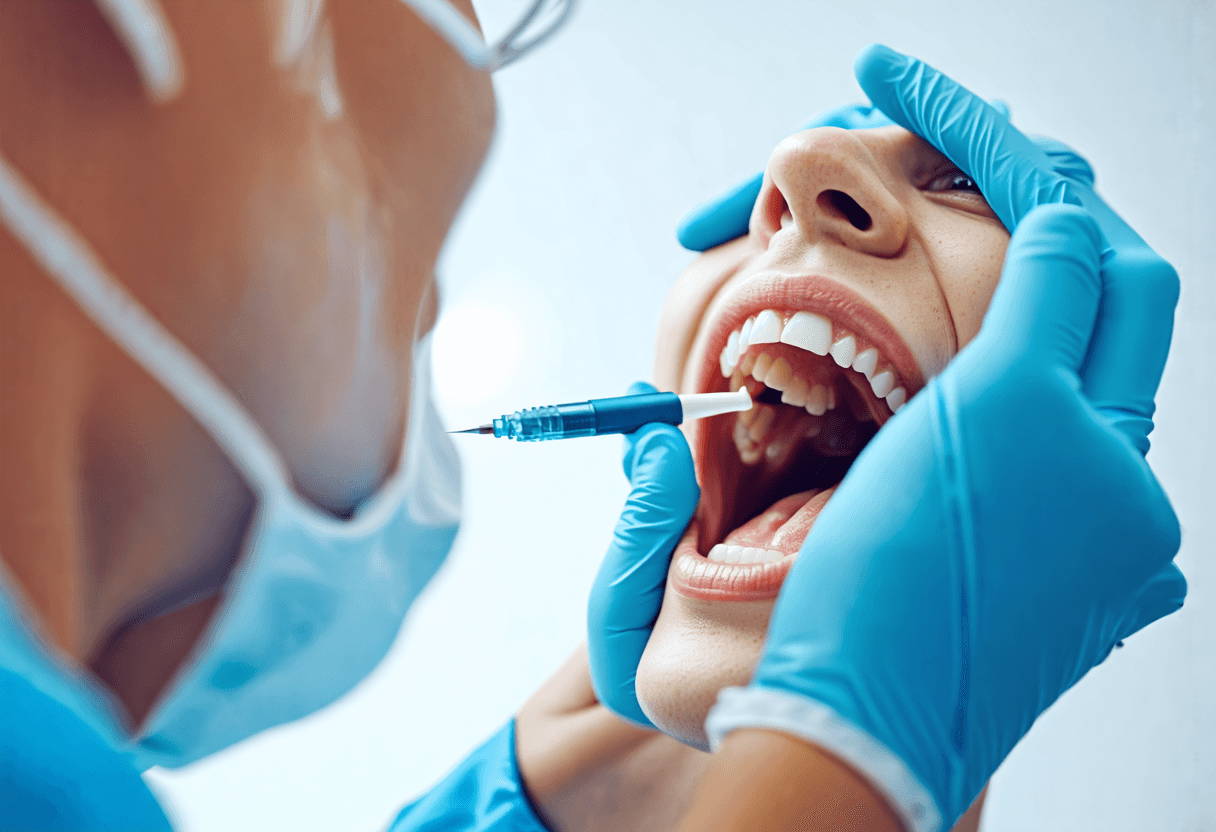
Ang pagsasagawa ng pagsusuri sa sarili para sa kanser sa bibig ay medyo simple at maaaring gawin sa ginhawa ng iyong sariling tahanan. Magsimula sa pamamagitan ng pagtingin sa isang salamin at pagsusuri sa iyong bibig, labi, at lalamunan. Suriin para sa anumang hindi pangkaraniwang mga bukol, pamamaga, o mga patch, at maghanap ng anumang mga pagbabago sa kulay o texture ng balat. Gamitin ang iyong mga daliri para maramdaman ang anumang mga bukol o abnormalidad, at tingnan kung may hindi pangkaraniwang pagdurugo o pamamanhid. Kung napansin mo ang anumang hindi pangkaraniwan, huwag mag -atubiling humingi ng medikal na atensyon.
Ano ang Aasahan Sa Panahon ng Medikal na Pagsusuri
Kung mapapansin mo ang anumang mga sintomas sa panahon ng pagsusuri sa sarili, mahalagang humingi ng medikal na atensyon. Sa panahon ng medikal na pagsusuri, ang iyong doktor o dentista ay magsasagawa ng masusing pagsusuri sa iyong bibig, labi, at lalamunan, na naghahanap ng anumang mga palatandaan ng kanser sa bibig. Maaari rin silang magsagawa ng biopsy upang kumpirmahin ang diagnosis. Kung ang kanser sa bibig ay napansin, ang paggamot ay depende sa entablado at lokasyon ng kanser, ngunit maaaring isama ang operasyon, radiation therapy, o chemotherapy.
Tandaan, ang pagsusuri sa sarili ay isang mahalagang hakbang sa pag-alis ng kanser sa bibig nang maaga. Sa pamamagitan ng pagkakaroon ng kamalayan sa mga panganib at sintomas ng kanser sa bibig, at paglalaan ng oras upang magsagawa ng regular na pagsusuri sa sarili, maaari mong kontrolin ang iyong kalusugan at bawasan ang panganib na magkaroon ng nakapipinsalang sakit na ito.
Kinokontrol ang iyong kalusugan
Ang cancer sa bibig ay isang malubhang sakit, ngunit ito rin ay maiiwasan. Sa pamamagitan ng paggawa ng malusog na mga pagpipilian sa pamumuhay, tulad ng pagtigil sa paninigarilyo, paglilimita sa pag-inom ng alak, at pagkain ng balanseng diyeta, maaari mong bawasan ang iyong panganib na magkaroon ng kanser sa bibig. Bilang karagdagan, ang mga regular na pag-check-up ng ngipin at pagsusuri sa sarili ay makakatulong na makita ang anumang mga potensyal na sintomas nang maaga, na nagpapahintulot sa napapanahong paggamot at pagpapabuti ng mga rate ng kaligtasan ng buhay.
667 mga pasyente mula sa India piliin ang package na ito para sa kanila Pakete ng Liver Transplant
Sa konklusyon, ang pagsusuri sa sarili ay isang mahalagang hakbang sa pag-detect ng kanser sa bibig nang maaga. Sa pamamagitan ng pagkakaroon ng kamalayan sa mga panganib at sintomas ng kanser sa bibig, at paglalaan ng oras upang magsagawa ng regular na pagsusuri sa sarili, maaari mong kontrolin ang iyong kalusugan at bawasan ang panganib na magkaroon ng nakapipinsalang sakit na ito. Tandaan, ang maagang pagtuklas ay susi, at ang pagsusuri sa sarili ay isang simple ngunit epektibong paraan upang makilala ang mga potensyal na sintomas nang maaga.
Pinakatanyag na mga wellness package





Mga Kaugnay na Blog

Gawin at hindi sa panahon ng pagbawi pagkatapos ng mga tip sa kalusugan ng operasyon ng mata
Alamin ang tungkol sa mga kwento ng pasyente, mga patutunguhan ng kagalingan, suporta sa wika, at post-paggamot
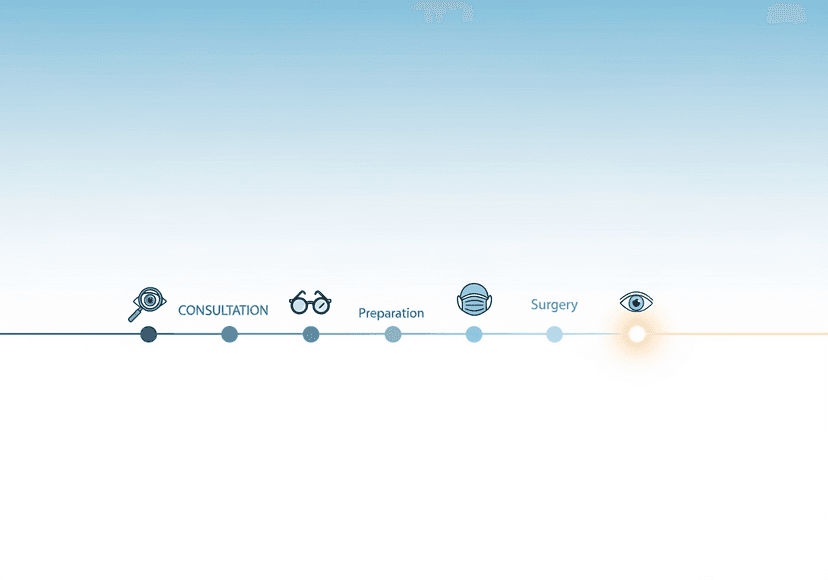
Timeline: Ano ang hitsura ng iyong paglalakbay sa operasyon sa mata na may healthtrip
Alamin ang tungkol sa mga kwento ng pasyente, mga patutunguhan ng kagalingan, suporta sa wika, at post-paggamot

Mga Luxury Wellness Resorts Pagkatapos ng Surgery sa Mata sa Mga Pangkalusugan ng India
Alamin ang tungkol sa mga kwento ng pasyente, mga patutunguhan ng kagalingan, suporta sa wika, at post-paggamot

Kilalanin ang Doktor: Nangungunang mga eksperto sa operasyon sa mata sa panel ng Healthtrip
Alamin ang tungkol sa mga kwento ng pasyente, mga patutunguhan ng kagalingan, suporta sa wika, at post-paggamot

Paano ang mga gaps ng wikang pangkalusugan ng mga gaps para sa mga pasyente ng operasyon sa mata
Alamin ang tungkol sa mga kwento ng pasyente, mga patutunguhan ng kagalingan, suporta sa wika, at post-paggamot

Abot -kayang + ligtas: Ano ang natatangi sa healthtrip para sa paglalakbay sa operasyon sa mata
Alamin ang tungkol sa mga kwento ng pasyente, mga patutunguhan ng kagalingan, suporta sa wika, at post-paggamot