Pinasimpleng Pag-opera sa Balikat
05 Nov, 2024
 Healthtrip
Imagine waking up from a successful surgery, feeling a mix of relief and excitement as you realize that the chronic pain and discomfort in your shoulder are finally gone. For many people, shoulder surgery is a life-changing experience that allows them to regain mobility, strength, and confidence. However, the thought of undergoing surgery can be daunting, especially when it comes to navigating the complex healthcare system. That's where Healthtrip comes in – a platform that connects patients with top-rated hospitals and medical professionals worldwide, making it easier to access high-quality care. In this blog post, we'll delve into the world of shoulder surgery, exploring the reasons why people undergo this procedure, the different types of surgeries available, and what to expect during the recovery process.
Why Do People Undergo Shoulder Surgery?
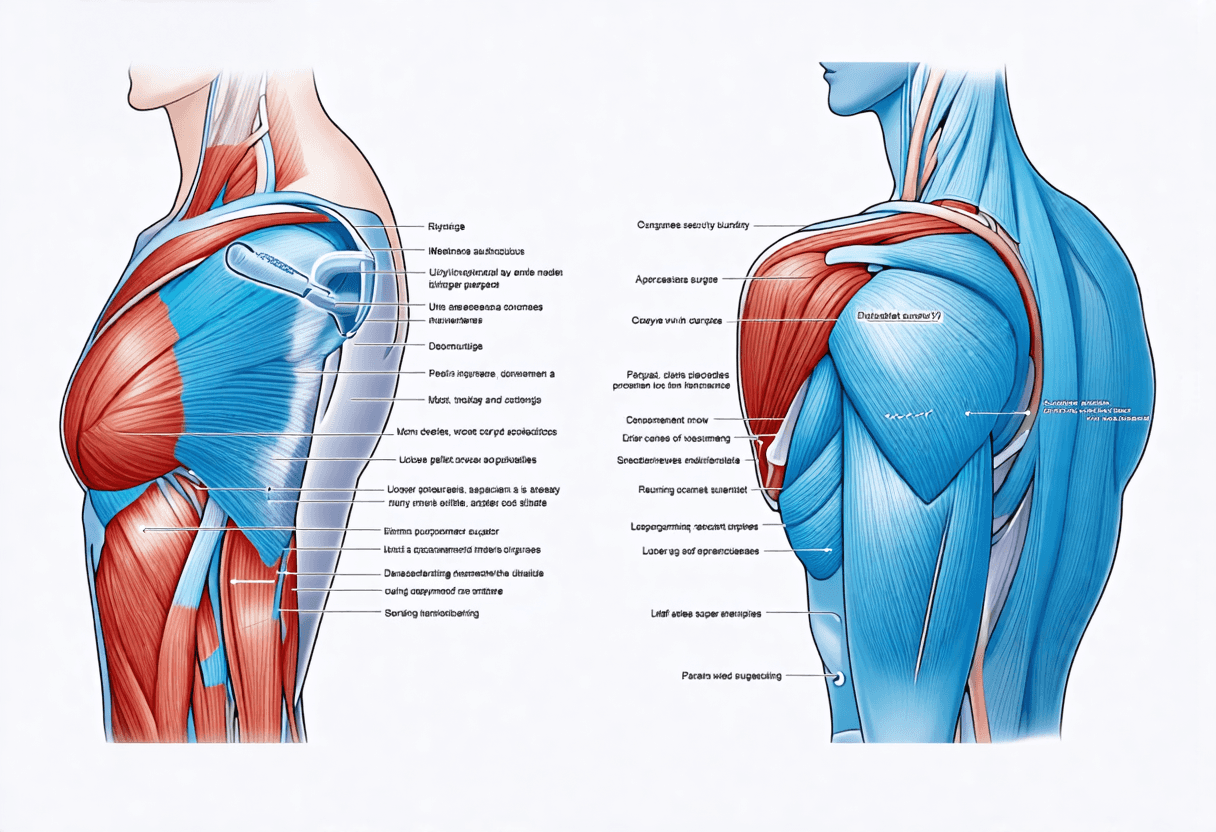
Shoulder surgery is often necessary to repair or replace damaged tissues in the shoulder joint. The most common reasons for shoulder surgery include rotator cuff tears, shoulder instability, and osteoarthritis. A rotator cuff tear occurs when the tendons that connect the muscles to the bone in the shoulder joint become damaged, leading to pain, weakness, and limited mobility. Shoulder instability, on the other hand, happens when the joint becomes loose or dislocated, causing frequent dislocations or subluxations. Osteoarthritis, a degenerative condition, can also lead to shoulder pain and stiffness as the cartilage in the joint wears down. Other reasons for shoulder surgery may include bone spurs, tumors, or nerve damage. Whatever the reason, Healthtrip's network of experienced orthopedic surgeons and state-of-the-art hospitals can provide the necessary care and expertise to get you back on track.
Pinakatanyag na mga pamamaraan sa India


Treating Rotator Cuff Tears
Rotator cuff tears are one of the most common reasons for shoulder surgery. The goal of surgery is to repair or replace the damaged tendons, restoring strength and mobility to the shoulder joint. There are two main types of rotator cuff surgeries: open surgery and arthroscopic surgery. Open surgery involves making a larger incision to access the damaged tissue, while arthroscopic surgery uses a small camera and tiny instruments to repair the tendon through a smaller incision. Both procedures are effective, but arthroscopic surgery is often preferred due to its minimally invasive nature and faster recovery time. Healthtrip's partner hospitals offer both options, ensuring that patients receive personalized care tailored to their unique needs.

Mga Paggamot sa Kaayusan
Bigyan ang iyong sarili ng oras upang makapagpahinga
Garantisadong Pinakamababang Presyo!

Garantisadong Pinakamababang Presyo!
What to Expect During the Recovery Process
The recovery process after shoulder surgery can vary depending on the type of procedure and individual factors, such as age and overall health. Generally, patients can expect to spend several weeks recovering, with the first few days being the most critical. Immediately after surgery, you'll likely experience some pain, swelling, and bruising, which can be managed with medication and ice packs. Your doctor may also recommend a sling or shoulder immobilizer to keep the joint stable and promote healing. As you progress, you'll begin a rehabilitation program to regain strength and mobility in the shoulder. This may involve physical therapy exercises, stretching, and strengthening exercises to restore range of motion and prevent future injuries. Healthtrip's patient support team is available every step of the way, providing guidance and resources to ensure a smooth and successful recovery.
Returning to Normal Activities
One of the most exciting aspects of recovering from shoulder surgery is returning to normal activities and hobbies. However, it's essential to do so gradually and under the guidance of your healthcare team. For the first few weeks, you'll need to avoid heavy lifting, bending, or strenuous activities that may put stress on the shoulder joint. As you progress, you can gradually introduce low-impact exercises, such as yoga or swimming, to improve flexibility and strength. It's also crucial to listen to your body and not push yourself too hard, as overexertion can lead to setbacks. With time and patience, you'll be able to resume your normal routine, enjoying activities and hobbies that bring you joy and fulfillment.
Why Choose Healthtrip for Your Shoulder Surgery?
At Healthtrip, we understand that undergoing shoulder surgery can be a daunting experience, especially when navigating the complex healthcare system. That's why we're committed to providing a seamless and personalized experience, from initial consultation to post-operative care. Our network of top-rated hospitals and medical professionals offers access to cutting-edge facilities, advanced technology, and evidence-based treatments. Additionally, our patient support team is available 24/7 to answer questions, provide guidance, and ensure that you receive the care you deserve. By choosing Healthtrip, you can rest assured that you're in good hands, receiving the highest quality care and support every step of the way.
704 mga pasyente mula sa India piliin ang package na ito para sa kanila Pakete ng Liver Transplant

Pinakatanyag na mga wellness package





Mga Kaugnay na Blog
Pangangalaga sa Pediatric Orthopedic para sa mga Turistang Medikal
Paggamot ng buto at magkasanib na bata sa ibang bansa
Rebisyon ng Joint Replacement Surgery
Pagwawasto ng mga nakaraang orthopedic procedure
Timeline ng Pagbawi ng Orthopedic Surgery sa ibang bansa
Rehabilitasyon pagkatapos ng mga pamamaraan ng buto at kasukasuan
Knee Replacement Surgery: Mga Bansa at Pagbawi
Kabuuang arthroplasty ng tuhod sa buong mundo
Surgery sa Pagpalit ng Balangal sa Ibang Bansa: Kumpletong Gabay
Pinagsamang pagpapalit sa mga destinasyong medikal na turismo
Neurosurgery sa Germany: Pangangalaga sa Utak at Spine
Mga dalubhasang pamamaraan ng neurological