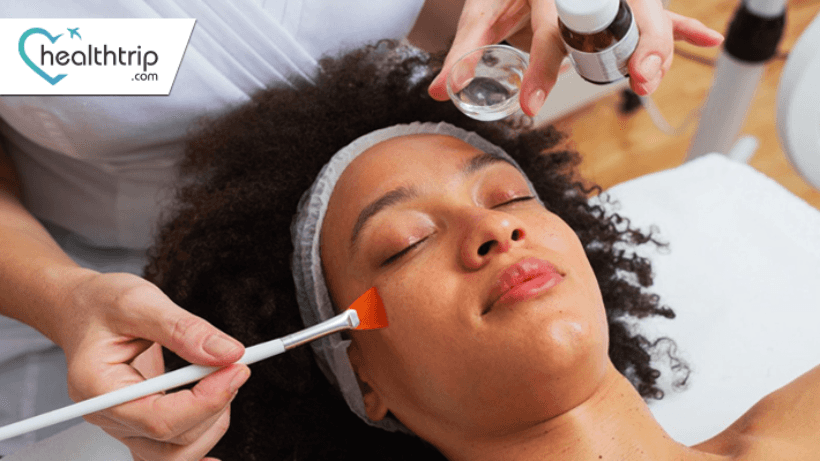
Pag-unawa sa Mga Panganib ng Chemical Peel: Isang Detalyadong Pagtingin
16 Nov, 2023
 Healthtrip Team
Ang mga chemical peels, isang sikat na cosmetic treatment na kilala sa kanilang kakayahang pabatain ang balat, ay naging isang pangunahing bilihin sa maraming skincare routine. Gayunpaman, tulad ng anumang pamamaraan ng kosmetiko, mahalaga na maunawaan ang mga potensyal na panganib at mga epekto. Sa detalyadong blog na ito, makikita namin ang mga panganib na nauugnay sa mga peel ng kemikal, na tumutulong sa iyo na gumawa ng isang kaalamang desisyon tungkol sa kung tama ang paggamot na ito para sa iyo.
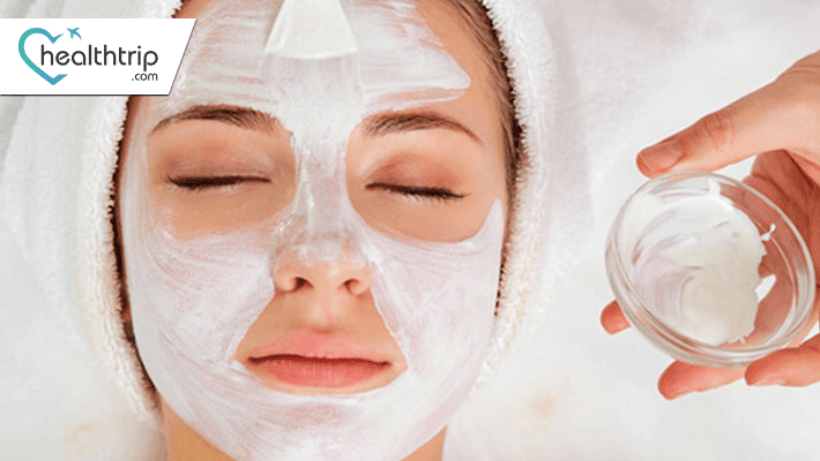
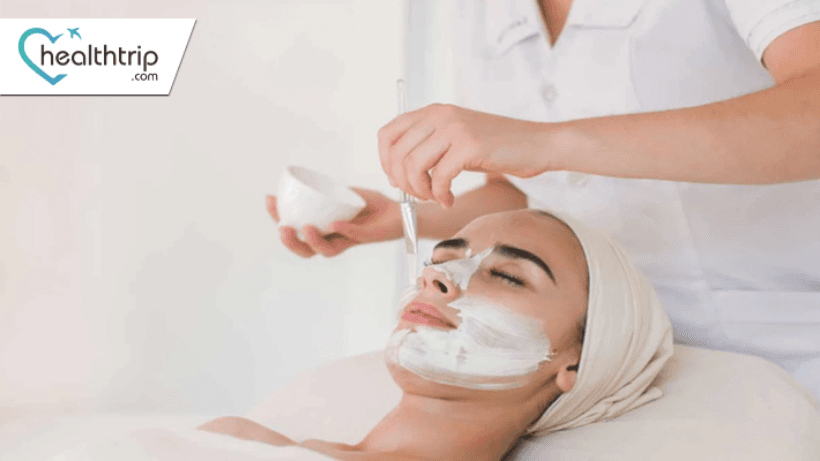
Bago natin tuklasin ang mga panganib, tukuyin natin sandali kung ano ang mga kemikal na pagbabalat. Ang isang kemikal na alisan ng balat ay isang pamamaraan ng paglaban sa balat kung saan ang isang solusyon sa kemikal ay inilalapat sa balat upang alisin ang mga tuktok na layer. Ang balat na lumalaki pagkatapos ng isang alisan ng balat ay makinis at mas bata. Ang mga kemikal na balat ay ginagamit upang gamutin ang mga wrinkles, pagkawalan ng balat, at mga scars - karaniwang nasa mukha.
Pinakatanyag na mga pamamaraan sa India


Mga Uri ng Chemical Peels
1. Mga Mababaw na Balat: Ang mga ito ay gumagamit ng mga banayad na acid tulad ng alpha-hydroxy acid upang malumanay na mag-exfoliate. Tumagos lamang ito sa pinakamalawak na layer ng balat.

Mga Paggamot sa Kaayusan
Bigyan ang iyong sarili ng oras upang makapagpahinga
Garantisadong Pinakamababang Presyo!

Garantisadong Pinakamababang Presyo!
2. Katamtamang Peels: Ang mga ito ay tumagos sa panlabas at gitnang mga layer ng balat upang alisin ang mga nasirang selula ng balat. Kadalasang ginagamit ang glycolic o trichloroacetic acid.
3. Malalim na Balat: Ang mga ito ay ganap na tumagos sa gitnang layer ng balat upang alisin ang mga nasirang mga selula ng balat. Karaniwang ginagamit ang phenol para sa mga balat na ito.
Ang mga kemikal na pagbabalat, habang epektibo para sa pagpapabata ng balat, ay may kasamang spectrum ng mga panganib at epekto na nag-iiba depende sa lalim ng balat. Ang pag-unawa sa mga panganib na ito ay mahalaga para sa sinumang isinasaalang-alang ang paggamot na ito. Alamin natin ang mga panganib na ito nang mas detalyado.
705 mga pasyente mula sa India piliin ang package na ito para sa kanila Pakete ng Liver Transplant

Mga Karaniwang Panganib at Mga Side Effect
1. Pamumula, Scabbing, at Pamamaga
- Mga Mababaw na Balat: Ang mga peels na ito, na target lamang ang panlabas na layer ng balat, ay maaaring humantong sa banayad na pamumula at pag -scale. Ito ay karaniwang humupa sa loob ng tatlo hanggang pitong araw.
- Medium-Depth Peels: Ang mga balat na ito ay nakakaapekto sa panlabas at gitnang mga layer ng balat. Maaari silang maging sanhi ng mas matingkad na pamumula at pamamaga. Maaaring mabuo ang mga paltos, na maaaring masira, mag-crust, maging kayumanggi, at matuklap sa loob ng pito hanggang 14 na araw.
- Malalim na Balat: Ang pinaka masinsinang uri, ang malalalim na balat ay tumagos hanggang sa ibabang dermal layer ng balat. Maaari silang magresulta sa matinding pamumula, pamamaga, at paltos. Ang panahon ng pagbawi ay maaaring tumagal ng hanggang dalawang linggo, na may pagbabalat na nagaganap sa buong panahong ito.
2. Peklat
Ang pagkakapilat ay isang bihirang ngunit malubhang epekto, na mas malamang na mangyari sa ibabang bahagi ng mukha. Ang mga steroid at antibiotics ay maaaring inireseta upang mabawasan ang panganib na ito. Mahalagang maingat na sundin ang mga tagubilin ng dermatologist upang mabawasan ang posibilidad ng pagkakapilat.
3. Mga Pagbabago sa Kulay ng Balat
- Hyperpigmentation: Ito ay kung saan ang balat ay nagiging mas maitim kaysa sa karaniwan. Mas karaniwan ito sa mga indibidwal na may mas madidilim na kulay ng balat.
- Hypopigmentation: Sa kabaligtaran, ang balat ay maaaring maging mas magaan kaysa sa mga nakapalibot na lugar, na kung saan ay isang partikular na pag -aalala sa mas malalim na mga balat.
4. Impeksyon
Maaaring mapataas ng mga kemikal na balat ang panganib ng bacterial, fungal, o viral infection. Kasama dito ang potensyal para sa reaktibo ng herpes simplex virus, na humahantong sa malamig na mga sugat. Ang mga gamot na pre-paggamot at post-treatment ay maaaring kailanganin para sa mga indibidwal na may kasaysayan ng mga impeksyon sa herpes.
5. Pinsala sa puso, bato, o atay
Ang malalalim na balat na gumagamit ng phenol ay maaaring magkaroon ng mga sistematikong epekto, na posibleng makaapekto sa puso, bato, o atay. Ang mga panganib na ito ay bihirang ngunit binibigyang diin ang kahalagahan ng isang masusing pagsusuri sa medikal bago sumailalim sa isang malalim na alisan ng balat ng kemikal.
Sino ang Dapat Iwasan ang Chemical Peels?
- Ang mga indibidwal na may ilang partikular na uri ng balat, lalo na ang mga madaling kapitan ng pagbuo ng keloid o may abnormal na pigmentation ng balat, ay dapat maging maingat.
- Ang mga may partikular na sakit sa balat o kundisyon ay dapat ding umiwas sa mga kemikal na pagbabalat.
- Ang mga buntis na kababaihan at mga indibidwal sa ilang mga gamot, tulad ng isotretinoin para sa acne, ay pinapayuhan na huwag sumailalim sa mga kemikal na pagbabalat..
Alamin ang Higit Pa:Ligtas ba ang Chemical Peels?.com)
Mga Pag-iingat at Mga Panukala sa Kaligtasan
1. Pagkonsulta sa isang Dermatologist
Ang isang konsultasyon bago ang paggamot ay mahalaga. Maaaring masuri ng isang dermatologist ang iyong uri ng balat, talakayin ang iyong mga layunin sa skincare, at matukoy ang pinaka -angkop na uri ng alisan ng balat, na isinasaalang -alang ang anumang mga potensyal na peligro.
2. Panangga sa araw
Pagkatapos ng chemical peel, ang bagong balat ay mas madaling mapinsala sa araw. Ang proteksyon sa araw, kabilang ang paggamit ng malawak na spectrum na mga sunscreen, sumbrero, at pag-iwas sa direktang pagkakalantad sa araw, ay napakahalaga upang maiwasan ang mga komplikasyon at matiyak ang pinakamainam na paggaling.
3. Sundin ang mga tagubilin sa post-peel
Ang pagsunod sa mga tagubilin sa aftercare na ibinigay ng iyong dermatologist ay mahalaga. Maaaring kabilang dito ang paggamit ng mga tukoy na moisturizer, pag-iwas sa ilang mga aktibidad, at pagdalo sa mga follow-up na appointment.
Bagama't ang mga kemikal na balat ay maaaring mag-alok ng mga makabuluhang benepisyo, hindi ito walang panganib. Ang isang detalyadong pag -unawa sa mga panganib na ito, kasama ang isang masusing konsultasyon sa isang dermatologist, ay makakatulong na matiyak ang isang ligtas at epektibong proseso ng paggamot. Tandaan, ang tagumpay ng isang chemical peel ay hindi lamang nakadepende sa mismong pamamaraan kundi pati na rin sa wastong pangangalaga pagkatapos ng paggamot at pagsunod sa mga pag-iingat sa kaligtasan.
Pinakatanyag na mga wellness package





Mga Kaugnay na Blog

Pinakamahusay na mga ospital para sa Chemical Peel sa Thailand
Nangangarap na makamit ang kumikinang, balat ng kabataan sa puso ng
Ligtas ba ang mga peel ng kemikal? Hiwalay natin ang mga alamat mula sa mga katotohanan
Ang mga kemikal na balat ay ginamit nang maraming taon upang gumawa ng balat
Mga Sagot ng Dalubhasa sa Iyong Mga Karaniwang Tanong sa mga kemikal na pagbabalat
Pagsasama-sama ng mga kemikal na balat sa iba pang mga kosmetikong pamamaraan tulad ng mga paggamot sa laser

Chemical Peels vs. Mga paggamot sa laser: Alin ang mas mahusay para sa iyo?
Pagdating sa pagpapabata ng iyong balat at pagtugon sa iba't-ibang

Mga Makabagong Teknik sa Chemical Peeling: Ano ang Bago?
Chemical Peels: Isang Paglalakbay mula sa Tradisyunal hanggang AdvancedChemical na pagbabalat

Ang Papel ng Diyeta at Pamumuhay sa Pagbawi ng Chemical Peel
Ang mga kemikal na balat ay isang mataas na hinahangad na dermatological na paggamot, na pinahahalagahan