Pediatric Liver Transplant Survival Rate sa India
15 Oct, 2024
 Healthtrip
Pagdating sa mga transplants ng pediatric atay, ang pag -iisip ng isang bata na sumasailalim sa isang kumplikadong pamamaraan ng medikal ay maaaring nakakatakot sa mga magulang. Ang kawalan ng katiyakan sa resulta ay maaaring napakalaki, at natural na magkaroon ng mga tanong tungkol sa rate ng kaligtasan ng naturang pamamaraan. Sa India, ang mga pediatric liver transplant ay naging isang beacon ng pag-asa para sa maraming pamilya, na nag-aalok ng pangalawang pagkakataon sa buhay para sa kanilang mga anak. Sa mga pagsulong sa teknolohiyang medikal at kadalubhasaan, ang rate ng kaligtasan ng buhay para sa mga pediatric transplants sa India ay napabuti nang malaki, na nagbibigay ng dahilan upang maging maasahin sa mabuti.
Ang kahalagahan ng mga transplants ng pediatric atay
Ang sakit sa atay ay isang makabuluhang alalahanin sa kalusugan sa India, na nakakaapekto sa libu-libong bata bawat taon. Ang atay ay gumaganap ng isang mahalagang papel sa pagsala ng mga lason mula sa dugo, at kapag ito ay nabigo, maaari itong humantong sa malubhang komplikasyon sa kalusugan, kabilang ang pagkabigo sa atay. Ang mga pediatric liver transplant ay kadalasang ang tanging magagamit na opsyon para sa mga batang may sakit sa atay, at ang pamamaraan ay maaaring makabuluhang mapabuti ang kanilang kalidad ng buhay. Sa India, ang mga transplants ng atay ng bata ay naging isang pagpipilian sa pag -save para sa maraming mga bata, na nag -aalok sa kanila ng isang pagkakataon na mamuno ng normal, malusog na buhay.
Pinakatanyag na mga pamamaraan sa India
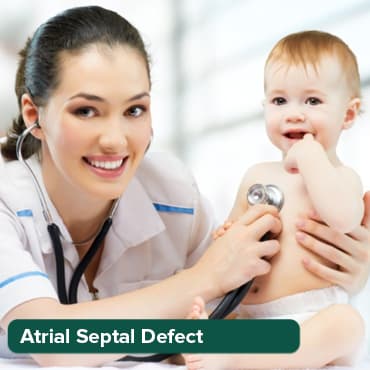

Mga Sanhi ng Sakit sa Atay sa mga Bata
Ang sakit sa atay sa mga bata ay maaaring sanhi ng iba't ibang mga kadahilanan, kabilang ang mga genetic disorder, mga impeksyon sa viral, at metabolic disorder. Ang biliary atresia, isang kondisyon kung saan ang mga bile ducts ay nakaharang, ay isang karaniwang sanhi ng sakit sa atay sa mga bata, at madalas itong nangangailangan ng isang liver transplant. Ang iba pang mga sanhi ng sakit sa atay sa mga bata ay kinabibilangan ng viral hepatitis, autoimmune disorder, at metabolic disorder tulad ng Wilson's disease. Sa ilang mga kaso, ang sakit sa atay ay maaaring sanhi ng pagkakalantad sa mga lason, tulad ng mga pestisidyo o mabibigat na metal.
Pediatric Liver Transplant Survival Rate sa India
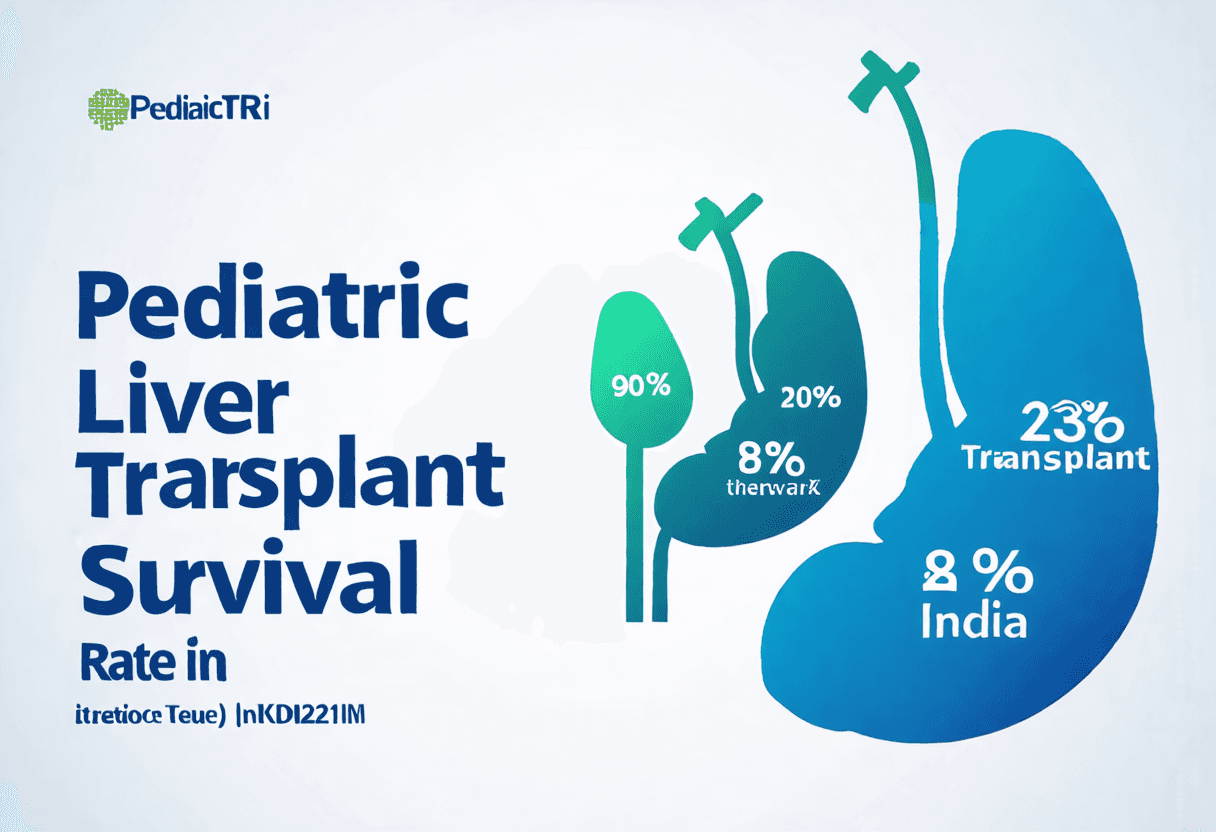
Ang rate ng kaligtasan para sa mga pediatric atay transplants sa India ay medyo mataas, kasama ang karamihan sa mga bata na gumagawa ng isang matagumpay na paggaling. Ayon sa data mula sa mga nangungunang ospital sa India, ang isang taong survival rate para sa pediatric liver transplants ay humigit-kumulang 90%, na maihahambing sa mga internasyonal na pamantayan. Ang limang taong survival rate ay humigit-kumulang 80%, na nagpapahiwatig na karamihan sa mga bata na sumasailalim sa liver transplant ay maaaring mamuhay ng normal at malusog. Ang mga istatistikang ito ay isang testamento sa kadalubhasaan ng mga Indian surgeon at ang mga advanced na pasilidad na medikal na magagamit sa bansa.

Mga Paggamot sa Kaayusan
Bigyan ang iyong sarili ng oras upang makapagpahinga
Garantisadong Pinakamababang Presyo!

Garantisadong Pinakamababang Presyo!
Mga Salik na Nakakaapekto sa Survival Rate
Ang rate ng kaligtasan ng buhay para sa mga transplants ng atay ng bata sa India ay maaaring maapektuhan ng maraming mga kadahilanan, kabilang ang edad ng bata, ang pinagbabatayan na sanhi ng sakit sa atay, at ang pangkalahatang kalusugan ng bata. Ang mga bata na sumasailalim sa liver transplant sa mas batang edad ay may posibilidad na magkaroon ng mas mataas na survival rate, dahil mas malamang na magkaroon sila ng mga komplikasyon mula sa sakit sa atay. Bilang karagdagan, ang mga bata na tumatanggap ng isang transplant sa atay mula sa isang buhay na donor ay may posibilidad na magkaroon ng mas mataas na rate ng kaligtasan kaysa sa mga tumatanggap ng isang namatay na donor transplant.
Ano ang Aasahan Pagkatapos ng Pediatric Liver Transplant
Pagkatapos ng pediatric liver transplant, ang mga bata ay nangangailangan ng malapit na pagsubaybay upang matiyak na ang kanilang bagong atay ay gumagana ng maayos. Kakailanganin nilang uminom ng immunosuppressive na gamot upang maiwasan ang pagtanggi sa bagong atay, at kakailanganin nilang dumalo sa mga regular na follow-up na appointment sa kanilang doktor. Sa paunang ilang buwan pagkatapos ng paglipat, maaaring kailanganin ng mga bata na manatili sa ospital ng ilang linggo upang matiyak na gumaling sila nang maayos. Gayunpaman, sa wastong pangangalaga at gamot, ang karamihan sa mga bata ay maaaring humantong sa normal, aktibong buhay pagkatapos ng isang transplant sa atay.
Mga Hamon at Komplikasyon
Habang ang mga transplants ng pediatric atay ay isang pagpipilian sa pag -save ng buhay para sa maraming mga bata, hindi sila walang mga hamon at komplikasyon. Ang pagtanggi sa bagong atay ay isang malaking alalahanin, at maaaring kailanganin ng mga bata na sumailalim sa karagdagang mga operasyon o paggamot upang matugunan ito. Bilang karagdagan, ang mga bata ay maaaring makaranas ng mga side effect mula sa immunosuppressive na gamot, tulad ng mas mataas na panganib ng impeksyon o pinsala sa bato. Gayunpaman, sa wastong pangangalaga at pangangasiwa, ang mga hamong ito ay maaaring madaig, at ang mga bata ay maaaring mamuhay ng malusog at kasiya-siya.
Konklusyon
Ang mga transplants ng pediatric atay ay nagbago ng paggamot sa sakit sa atay sa mga bata, na nag -aalok ng pangalawang pagkakataon sa buhay para sa maraming pamilya. Sa India, ang rate ng kaligtasan ng buhay para sa mga transplants ng atay ng bata ay medyo mataas, at may mga pagsulong sa teknolohiyang medikal at kadalubhasaan, ang pamamaraan ay nagiging matagumpay. Habang may mga hamon at komplikasyon na nauugnay sa mga transplants ng atay ng bata, ang mga benepisyo ay higit pa sa mga panganib, at may wastong pangangalaga at pamamahala, ang mga bata ay maaaring humantong sa normal, malusog na buhay pagkatapos ng isang transplant sa atay.
696 mga pasyente mula sa India piliin ang package na ito para sa kanila Pakete ng Liver Transplant

Pinakatanyag na mga wellness package





Mga Kaugnay na Blog

Discharge at Follow-Up Plan para sa Eye Surgery sa pamamagitan ng Healthtrip
Magplano ng operasyon sa mata sa India gamit ang Healthtrip: mga ospital, doktor, visa,

Remote Consultation para sa Eye Surgery Bago Maglakbay kasama ang Healthtrip
Magplano ng operasyon sa mata sa India gamit ang Healthtrip: mga ospital, doktor, visa,
Paghahambing ng mga Package para sa Eye Surgery sa mga Healthtrip Hospital
Magplano ng operasyon sa mata sa India gamit ang Healthtrip: mga ospital, doktor, visa,
ICU at Post-Op Care Standards para sa Eye Surgery Healthtrip Guide
Magplano ng operasyon sa mata sa India gamit ang Healthtrip: mga ospital, doktor, visa,

Pre-Admission Checklist para sa Eye Surgery Patient sa pamamagitan ng Healthtrip
Magplano ng operasyon sa mata sa India gamit ang Healthtrip: mga ospital, doktor, visa,

Mga Nangungunang Doktor sa India para sa Eye Surgery sa pamamagitan ng Healthtrip
Magplano ng operasyon sa mata sa India gamit ang Healthtrip: mga ospital, doktor, visa,