Paggamot sa Kanser sa Bibig: Surgery at Higit pa
24 Nov, 2024
 Healthtrip
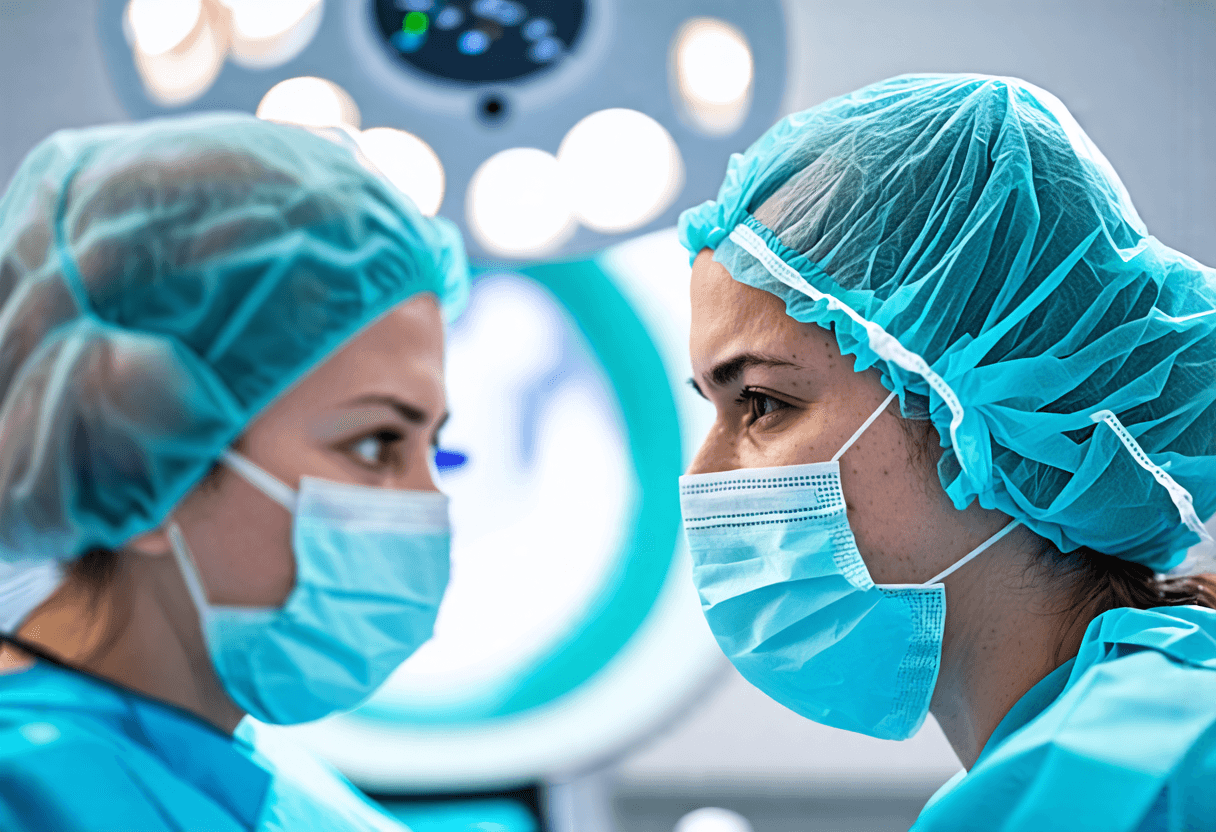
Pagdating sa paggamot sa kanser sa bibig, ang paglalakbay ay maaaring napakabigat, ngunit sa tamang gabay at suporta, posibleng i-navigate ang proseso nang may kumpiyansa. Sa Healthtrip, nauunawaan namin ang kahalagahan ng personalized na pangangalaga at pag-access sa mga nangungunang pasilidad na medikal, kaya naman nakatuon kami sa pagtulong sa mga pasyente na mahanap ang pinakamahusay na mga opsyon sa paggamot para sa kanilang mga natatanging pangangailangan. Sa artikulong ito, susuriin natin ang mundo ng paggamot sa kanser sa bibig, tuklasin ang papel ng operasyon at higit pa, upang bigyang kapangyarihan ang mga indibidwal na kontrolin ang kanilang kalusugan.
Ang Diagnosis: Pag-unawa sa Kanser sa Bibig
Ang kanser sa bibig, na kilala rin bilang oral cancer, ay tumutukoy sa abnormal na paglaki ng mga selula sa labi, dila, pisngi, sahig ng bibig, panlasa, o gilagid. Ayon sa World Health Organization (WHO), ang mga cancer sa bibig ay nagkakahalaga ng 2% ng lahat ng mga kaso ng kanser sa buong mundo, na may karamihan na nakakaapekto sa mga indibidwal na higit sa 50 taong gulang. Ang mga sintomas ay maaaring banayad, mula sa mga ulser, bukol, o puting mga patch hanggang sa kahirapan sa paglunok, pagdurugo, o pamamanhid sa mukha. Kung nakakaranas ka ng alinman sa mga sintomas na ito, mahalaga na kumunsulta sa isang doktor para sa isang tamang diagnosis.
Pinakatanyag na mga pamamaraan sa India


Ang papel ng maagang pagtuklas
Ang maagang pagtuklas ay mahalaga sa paggamot sa kanser sa bibig, dahil ito ay makabuluhang nagpapabuti sa mga pagkakataon ng matagumpay na paggamot at kaligtasan. Ang mga regular na pag-check-up ng ngipin ay maaaring makatulong na matukoy ang mga potensyal na isyu bago sila maging malubha. Sa panahon ng isang regular na pagsusuri, ang iyong dentista ay maaaring magsagawa ng isang visual inspeksyon, palpation (pakiramdam ang mga tisyu sa kanilang mga daliri), at marahil isang biopsy upang mangolekta ng mga sample ng tisyu para sa karagdagang pagsusuri. Kung natukoy ang kanser, ang susunod na hakbang ay upang matukoy ang yugto at grado ng kanser, na gagabay sa plano ng paggamot.

Mga Paggamot sa Kaayusan
Bigyan ang iyong sarili ng oras upang makapagpahinga
Garantisadong Pinakamababang Presyo!

Garantisadong Pinakamababang Presyo!
Mga Pamamagitan sa Kirurhiko: Pag-alis ng Tumor
Ang operasyon ay kadalasang pangunahing paggamot para sa kanser sa bibig, na naglalayong alisin ang tumor at mga apektadong tisyu. Ang uri ng operasyon ay nakasalalay sa lokasyon, laki, at yugto ng kanser, pati na rin ang pangkalahatang kalusugan ng indibidwal. Kasama sa mga karaniwang pamamaraan ng operasyon:
Pangunahing resection ng tumor
Sa pamamaraang ito, tinanggal ng siruhano ang tumor at isang maliit na halaga ng nakapalibot na tisyu upang matiyak na ang lahat ng mga cancerous cells ay tinanggal. Ang layunin ay upang makamit ang malinaw na mga margin, na nangangahulugang walang mga selula ng kanser na naiwan.
Reconstructive Surgery
Pagkatapos alisin ang tumor, maaaring kailanganin ang reconstructive surgery upang maibalik ang natural na hitsura at paggana ng apektadong lugar. Maaari itong kasangkot sa paghugas ng tisyu mula sa ibang bahagi ng katawan o paggamit ng mga aparato ng prostetik.
723 mga pasyente mula sa India piliin ang package na ito para sa kanila Pakete ng Liver Transplant
Higit pa sa Surgery: Mga Karagdagang Opsyon sa Paggamot
Bilang karagdagan sa operasyon, ang iba pang mga pamamaraan ng paggamot ay maaaring gamitin upang labanan ang kanser sa bibig, kabilang ang:
Radiation therapy
Ang radiation therapy ay gumagamit ng high-energy radiation upang patayin ang mga selula ng kanser. Maaari itong magamit bilang isang nakapag -iisang paggamot o kasabay ng operasyon. Ang panlabas na beam radiation, kung saan ang isang makina sa labas ng katawan ay nagdidirekta ng radiation sa tumor, ay ang pinakakaraniwang uri.
Chemotherapy
Kasama sa chemotherapy ang paggamit ng mga gamot upang sirain ang mga selula ng kanser. Maaari itong ibigay nang pasalita o intravenously at maaaring magamit bago ang operasyon upang pag -urong ang tumor o pagkatapos ng operasyon upang mabawasan ang panganib ng pag -ulit.
Naka-target na Therapy
Ang target na therapy ay nakatuon sa mga tiyak na molekula na kasangkot sa paglaki ng kanser, na naglalayong pigilan ang kanilang pag -andar at mabagal na pag -unlad ng sakit. Ang pamamaraang ito ay kadalasang ginagamit kasama ng iba pang mga paggamot.
Ang Daan sa Pagbawi: Pamamahala ng Mga Side Effect at Emosyon
Habang ang paggamot ay isang makabuluhang aspeto ng pangangalaga sa kanser sa bibig, pantay na mahalaga upang matugunan ang mga pisikal at emosyonal na mga hamon na kasama nito. Ang mga karaniwang epekto ng paggamot sa kanser sa bibig ay kinabibilangan ng pananakit, pagkapagod, tuyong bibig, at mga pagbabago sa panlasa at pananalita. Ang network ng Healthtrip ng mga medikal na propesyonal at mga kawani ng suporta ay maaaring magbigay ng gabay sa pamamahala ng mga side effects na ito at pagkonekta sa mga pasyente na may mga mapagkukunan para sa emosyonal na suporta.
Ang Kahalagahan ng Mga Network ng Suporta
Ang pamumuhay na may kanser sa bibig ay maaaring maging emosyonal, ngunit ang pagkakaroon ng isang malakas na network ng suporta ay maaaring gumawa ng isang makabuluhang pagkakaiba. Ang pamilya, mga kaibigan, at mga grupo ng suporta ay maaaring mag-alok ng pakiramdam ng komunidad at pag-unawa, na tumutulong sa mga indibidwal na makayanan ang emosyonal na epekto ng paggamot.
Konklusyon: Pagpapalakas ng mga pasyente na may healthtrip
Ang paggamot sa kanser sa bibig ay isang kumplikado at multifaceted na paglalakbay, ngunit may tamang gabay at suporta, ang mga indibidwal ay maaaring mag -navigate sa proseso nang may kumpiyansa. Sa HealthTrip, nakatuon kami sa pagtulong sa mga pasyente na makahanap ng pinakamahusay na mga pagpipilian sa paggamot para sa kanilang natatanging mga pangangailangan, na nagbibigay ng pag-access sa mga top-notch na pasilidad ng medikal at isinapersonal na pangangalaga. Sa pamamagitan ng pag-unawa sa papel na ginagampanan ng operasyon at higit pa, maaaring kontrolin ng mga indibidwal ang kanilang kalusugan at simulan ang landas sa pagbawi.
Pinakatanyag na mga wellness package





Mga Kaugnay na Blog

Discharge at Follow-Up Plan para sa Eye Surgery sa pamamagitan ng Healthtrip
Magplano ng operasyon sa mata sa India gamit ang Healthtrip: mga ospital, doktor, visa,

Remote Consultation para sa Eye Surgery Bago Maglakbay kasama ang Healthtrip
Magplano ng operasyon sa mata sa India gamit ang Healthtrip: mga ospital, doktor, visa,
Paghahambing ng mga Package para sa Eye Surgery sa mga Healthtrip Hospital
Magplano ng operasyon sa mata sa India gamit ang Healthtrip: mga ospital, doktor, visa,
ICU at Post-Op Care Standards para sa Eye Surgery Healthtrip Guide
Magplano ng operasyon sa mata sa India gamit ang Healthtrip: mga ospital, doktor, visa,

Pre-Admission Checklist para sa Eye Surgery Patient sa pamamagitan ng Healthtrip
Magplano ng operasyon sa mata sa India gamit ang Healthtrip: mga ospital, doktor, visa,

Mga Nangungunang Doktor sa India para sa Eye Surgery sa pamamagitan ng Healthtrip
Magplano ng operasyon sa mata sa India gamit ang Healthtrip: mga ospital, doktor, visa,