
Melanoma: Pag-unawa sa Mga Panganib at Pag-iwas
09 Oct, 2024
 Healthtrip
Habang naliligo tayo sa init ng araw, madaling makalimutan ang mga potensyal na panganib na kaakibat nito. Ang isa sa mga pinaka makabuluhang panganib na nauugnay sa labis na pagkakalantad sa araw ay ang melanoma, isang uri ng kanser sa balat na maaaring nakamamatay kung hindi maialis. Sa bilang ng mga kaso ng melanoma sa pagtaas, mahalagang maunawaan ang mga panganib at gumawa ng mga hakbang sa pag -iwas upang maprotektahan ang ating sarili at ang ating mga mahal sa buhay mula sa nagwawasak na sakit na ito.
Ano ang Melanoma?
Ang melanoma ay isang uri ng kanser sa balat na bubuo mula sa mga cell na gumagawa ng pigment na tinatawag na melanocytes. Maaari itong mangyari sa anumang balat na nakalantad sa araw, ngunit mas karaniwan ito sa mga lugar na tumatanggap ng madalas na pagkakalantad ng araw, tulad ng mukha, leeg, kamay, at paa. Maaari ring maganap ang melanoma sa mga lugar na hindi tumatanggap ng maraming araw, tulad ng mga talampakan ng mga paa o sa ilalim ng mga kuko. Ayon sa American Cancer Society, ang melanoma ay humigit-kumulang 1% lamang ng mga kaso ng kanser sa balat, ngunit nagiging sanhi ito ng karamihan ng pagkamatay ng kanser sa balat.
Pinakatanyag na mga pamamaraan sa India




Ang mga panganib ng melanoma
Maraming mga kadahilanan ang nagdaragdag ng panganib ng pagbuo ng melanoma. Kabilang dito ang:
• Ultraviolet (UV) Radiation: Ang pagkakalantad sa radiation ng UV mula sa araw o mga tanning bed ay nagdaragdag ng panganib ng melanoma. Ang mga taong nakatira sa maaraw na lugar o gumugol ng maraming oras sa labas ay nasa mas mataas na peligro.

Mga Paggamot sa Kaayusan
Bigyan ang iyong sarili ng oras upang makapagpahinga
Garantisadong Pinakamababang Presyo!

Garantisadong Pinakamababang Presyo!
• Payat na balat: Ang mga taong may maputi na balat, maputi ang buhok, at mapupungay na mga mata ay mas madaling kapitan ng melanoma dahil sa kawalan ng kakayahan ng kanilang balat na gumawa ng sapat na melanin upang maprotektahan ito mula sa araw.
• Family history: Ang pagkakaroon ng family history ng melanoma ay nagpapataas ng panganib ng isang indibidwal na magkaroon ng sakit.
• Mahina ang immune system: Ang mga taong may mahina na immune system, tulad ng mga may HIV/AIDS o pagkuha ng mga immunosuppressive na gamot, ay mas malamang na bumuo ng melanoma.
• Moles: Ang mga taong may maraming moles o hindi pangkaraniwang moles ay nasa mas mataas na peligro ng pagbuo ng melanoma.
728 mga pasyente mula sa India piliin ang package na ito para sa kanila Pakete ng Liver Transplant

Ang pag -iwas ay susi
Bagama't ang melanoma ay maaaring nakamamatay, ito rin ay lubos na maiiwasan. Sa pamamagitan ng pagkuha ng mga simpleng pag -iingat, maaari naming makabuluhang bawasan ang aming panganib sa pagbuo ng sakit na ito.
Protektahan ang Iyong Balat mula sa Araw
Upang mabawasan ang panganib ng melanoma, mahalagang protektahan ang iyong balat mula sa nakakapinsalang UV rays ng araw. Narito ang ilang mga tip:
• Humingi ng lilim: Hangga't maaari, manatili sa lilim, lalo na sa mga oras ng araw (10am-4pm).
• Magsuot ng pamprotektang damit: Magsuot ng damit na tumatakip sa iyong balat, gaya ng mahabang manggas na kamiseta, pantalon, at sumbrero na may malawak na labi.
• Gumamit ng sunscreen: Maglagay ng malawak na spectrum na sunscreen na may Sun Protection Factor (SPF) na 30 o mas mataas sa lahat ng nakalantad na balat. Mag -aplay muli tuwing dalawang oras o pagkatapos ng paglangoy o pagpapawis.
• Iwasan ang Tanning Beds: Ang Tanning Beds ay naglalabas ng radiation ng UV, na pinatataas ang panganib ng melanoma. Iwasan ang paggamit ng mga ito nang buo.
Subaybayan ang Iyong Balat
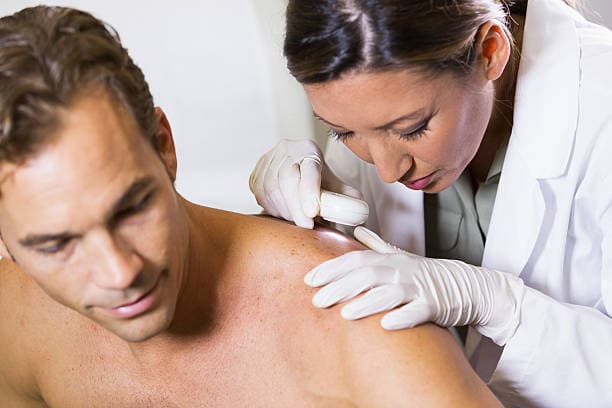
Ang maagang pagtuklas ay mahalaga sa matagumpay na paggamot sa melanoma. Magsagawa ng regular na pagsusuri sa sarili upang masubaybayan ang iyong balat para sa anumang mga pagbabago o abnormalidad.
• Regular na suriin ang iyong balat: Suriin ang iyong balat mula ulo hanggang paa, bigyang pansin ang anumang mga bagong moles o pagbabago sa mga umiiral na.
• Hanapin ang panuntunan ng ABCDE: Kapag sinusuri ang iyong balat, hanapin ang mga nunal na nagpapakita ng mga sumusunod na katangian:
• A - Asymmetry: Kung ang nunal ay walang simetrya, nangangahulugang wala itong isang pabilog na hugis.
• B - Border: Kung ang nunal ay may isang hindi regular, notched, o scalloped border.
• C - Kulay: Kung ang nunal ay maraming kulay o may kakaibang kulay, gaya ng pink, pula, puti, o asul.
• D - Diameter: Kung ang nunal ay mas malaki sa diameter kaysa sa isang pambura ng lapis.
• E - Nagbabago: Kung ang nunal ay nagbabago sa laki, hugis, o kulay.
Huwag Maghintay - Kumilos
Ang melanoma ay isang malubhang sakit, ngunit ito ay lubos na magagamot kung maagang nahuli. Sa pamamagitan ng pag -unawa sa mga panganib at pagkuha ng mga hakbang sa pag -iwas, maaari nating bawasan ang ating panganib na mapaunlad ang sakit na ito. Tandaan, ang pag-iwas ay susi, at ang maagang pagtuklas ay mahalaga. Huwag maghintay - kumilos ngayon upang protektahan ang iyong sarili at ang iyong mga mahal sa buhay mula sa melanoma.
Pinakatanyag na mga wellness package





Mga Kaugnay na Blog
Ang Hindi Nakikitang Kaaway: Ang Pagtaas ng Squamous Cell Carcinoma
Ang squamous cell carcinoma ay isang uri ng kanser na nakakaapekto

Ang walang tigil na laban: ang labanan laban sa kanser sa balat
Ang kanser sa balat ay isang uri ng kanser na nakakaapekto sa

Cutaneous T-Cell Lymphoma: Ang Kanser sa Balat
Ang cutaneous T-cell lymphoma ay isang uri ng kanser na nakakaapekto
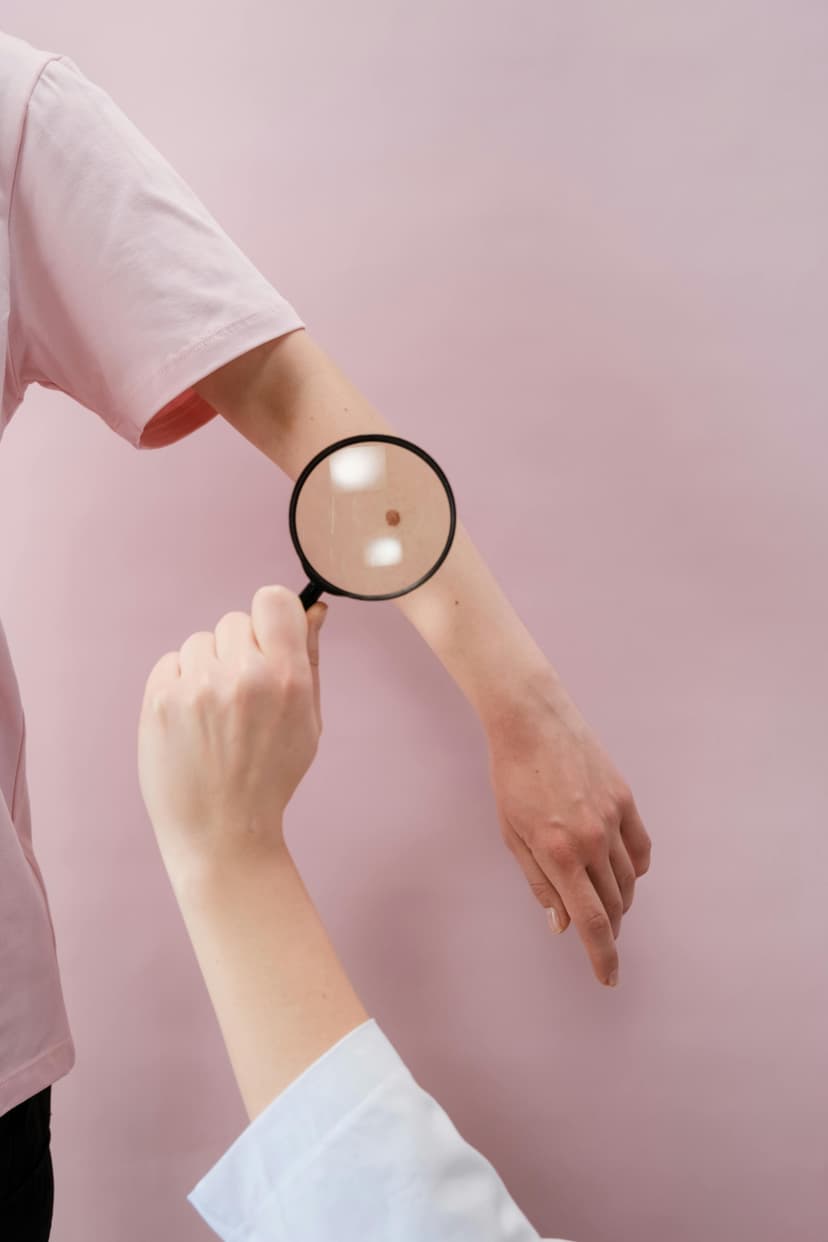
Basal Cell Carcinoma: Ang Pinakakaraniwang Kanser sa Balat
Ang basal cell carcinoma ay ang pinaka -karaniwang uri ng balat
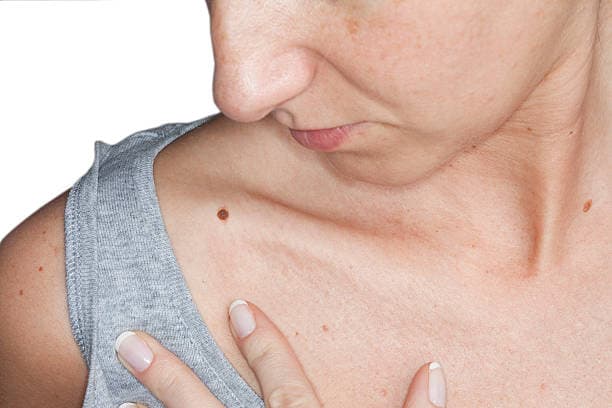
Paggalugad sa Tatlong Pangunahing Uri ng Kanser sa Balat
Ang kanser sa balat ay isang laganap na alalahanin sa kalusugan sa buong mundo, kasama nito
Paggalugad ng Mga Mabisang Opsyon para sa Paggamot sa Kanser sa Balat ng Melanoma
Ang kanser sa balat ng melanoma ay isang seryoso at potensyal na nakamamatay na kondisyon