Lung Transplant at Pagtanggi: Ano ang Malalaman
13 Oct, 2024
 Healthtrip
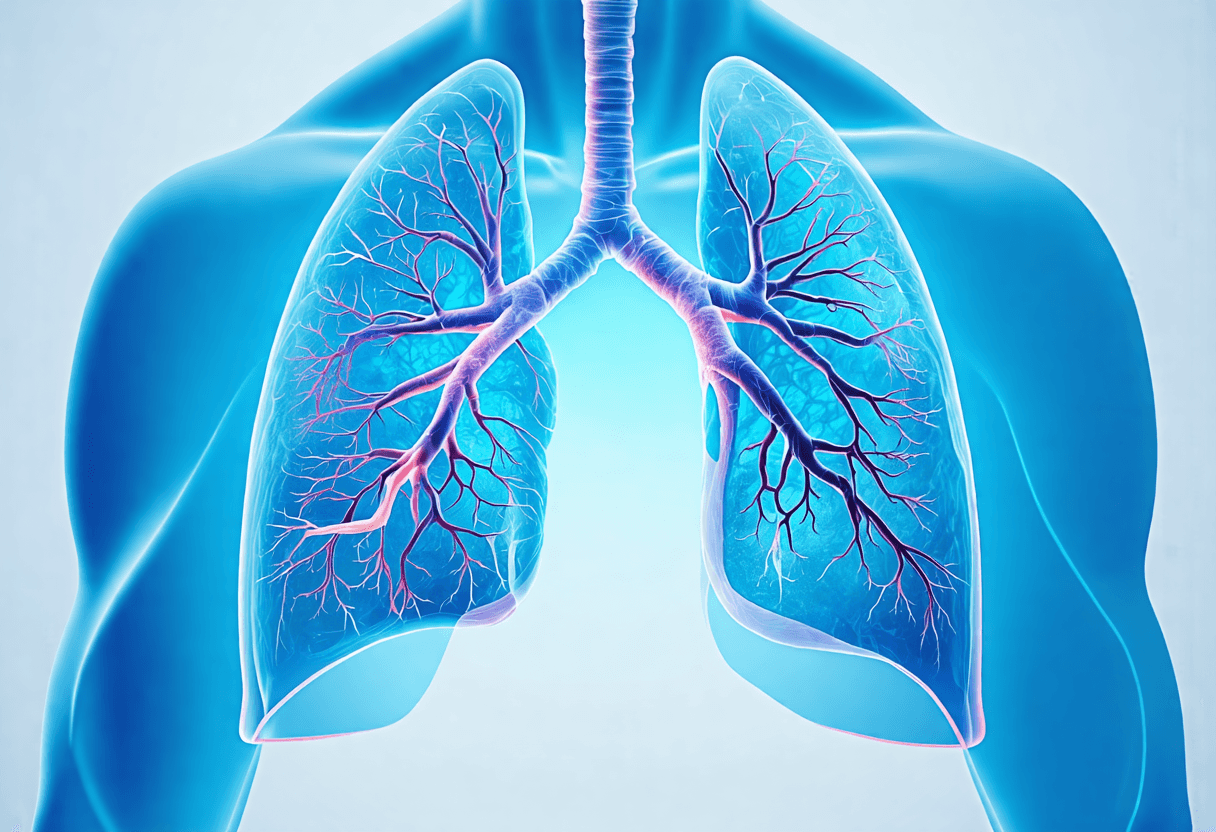
A lung transplant is a life-saving surgery that can significantly improve the quality of life for individuals suffering from end-stage lung disease. However, as with any major surgery, it comes with its own set of risks and complications. One of the most critical concerns for lung transplant patients is the risk of rejection, which can be a daunting and overwhelming experience. In this blog, we will delve into the world of lung transplants and rejection, exploring what it means, why it happens, and what you can do to minimize the risks.
What is a Lung Transplant?
A lung transplant is a surgical procedure where a diseased or damaged lung is replaced with a healthy one from a donor. The surgery is usually performed on individuals with end-stage lung disease, which can be caused by a variety of factors such as cystic fibrosis, pulmonary fibrosis, or chronic obstructive pulmonary disease (COPD). The goal of the surgery is to improve lung function, alleviate symptoms, and enhance the overall quality of life.
Pinakatanyag na mga pamamaraan sa India


The Transplant Process
The transplant process typically begins with a thorough evaluation to determine the individual's suitability for the surgery. This includes a series of medical tests, including blood work, imaging studies, and cardiac evaluations. Once deemed eligible, the individual is placed on a waiting list for a matching donor lung. The waiting period can vary from a few days to several months, depending on the availability of matching lungs and the individual's medical urgency.
Once a matching lung is found, the surgery is performed under general anesthesia, and the diseased lung is replaced with the healthy donor lung. The surgery typically takes several hours, and the individual is closely monitored in the intensive care unit (ICU) for several days after the procedure.

Mga Paggamot sa Kaayusan
Bigyan ang iyong sarili ng oras upang makapagpahinga
Garantisadong Pinakamababang Presyo!

Garantisadong Pinakamababang Presyo!
What is Rejection?
Rejection occurs when the body's immune system recognizes the transplanted lung as foreign and attempts to reject it. This can happen immediately after the surgery or months or even years later. Rejection can be acute, meaning it happens suddenly, or chronic, meaning it develops over time.
Why Does Rejection Happen?
Rejection occurs due to the body's natural response to the transplanted lung, which is perceived as a foreign object. The immune system produces antibodies to fight off the perceived threat, leading to inflammation and damage to the transplanted lung. This can be caused by a variety of factors, including genetic differences between the donor and recipient, tissue incompatibility, or infection.
Signs and Symptoms of Rejection
The signs and symptoms of rejection can vary from individual to individual, but common indicators include:
- Shortness of breath or difficulty breathing
- Fatigue or lethargy
- Chest pain or discomfort
- Coughing or wheezing
- Fever or chills
Diagnosing Rejection
Diagnosing rejection typically involves a combination of medical tests, including:
695 mga pasyente mula sa India piliin ang package na ito para sa kanila Pakete ng Liver Transplant

- Chest X-rays or CT scans to evaluate lung function and detect any abnormalities
- Blood tests to measure lung function and detect inflammation
- Biopsy to examine tissue samples from the transplanted lung
Managing Rejection
Managing rejection requires a multidisciplinary approach, involving a team of healthcare professionals, including pulmonologists, transplant surgeons, and immunologists. Treatment options may include:
- Immunosuppressive medications to suppress the immune system and reduce the risk of rejection
- Antibiotics to treat infections
- Oxygen therapy to improve oxygen levels in the blood
- Pulmonary rehabilitation to improve lung function and overall health
Preventing Rejection
While rejection is a risk associated with lung transplants, there are steps that can be taken to minimize the risk:
- Adhering to medication regimens, including immunosuppressive medications
- Attending regular follow-up appointments with healthcare providers
- Monitoring for signs and symptoms of rejection
- Maintaining a healthy lifestyle, including a balanced diet, regular exercise, and stress management
Conclusion
A lung transplant can be a life-saving surgery for individuals with end-stage lung disease, but it comes with its own set of risks and complications, including rejection. By understanding the transplant process, the risks of rejection, and the signs and symptoms to watch out for, individuals can take proactive steps to minimize the risk of rejection and maximize the chances of a successful transplant. With proper care and management, individuals can enjoy a better quality of life and improved lung function.
Remember, a lung transplant is not a cure, but a treatment option that requires ongoing care and management. By working closely with healthcare providers and adhering to treatment regimens, individuals can enjoy a better quality of life and improved lung function.
Pinakatanyag na mga wellness package





Mga Kaugnay na Blog
Lung Transplant at Osteoporosis: Ano ang Dapat Malaman
Alamin ang tungkol sa panganib ng osteoporosis pagkatapos ng isang transplant sa baga,
Lung transplant at menopos: Ano ang aasahan
Alamin kung ano ang aasahan kung nakakaranas ka ng menopos pagkatapos
Lung Transplant at Fertility: Ano ang Dapat Malaman
Unawain ang epekto ng paglipat ng baga sa pagkamayabong, kabilang ang kung ano

Lung Transplant at Breastfeeding: Ligtas ba?
Alamin ang tungkol sa kaligtasan ng pagpapasuso pagkatapos ng isang transplant sa baga,

Paglipat ng Baga at Pagbubuntis: Ano ang Aasahan
Alamin kung ano ang aasahan kung ikaw ay buntis pagkatapos

Paglipat ng Baga at Mga Impeksyon: Ano ang Dapat Abangan
Alamin ang tungkol sa panganib ng mga impeksyon pagkatapos ng isang transplant sa baga,