Kidney Transplant: Ano ang Aasahan
09 Dec, 2024
 Healthtrip
When it comes to kidney disease, the road to recovery can be long and arduous. For those who have reached end-stage renal disease, a kidney transplant is often the best option for regaining control over their health. But what does this journey entail, and how can you prepare yourself for the challenges that lie ahead? At Healthtrip, we understand the complexities of kidney transplantation and are committed to guiding you every step of the way. In this article, we'll delve into the world of kidney transplantation, exploring what to expect before, during, and after the surgery, as well as the benefits and risks associated with this life-changing procedure.
Understanding Kidney Transplantation
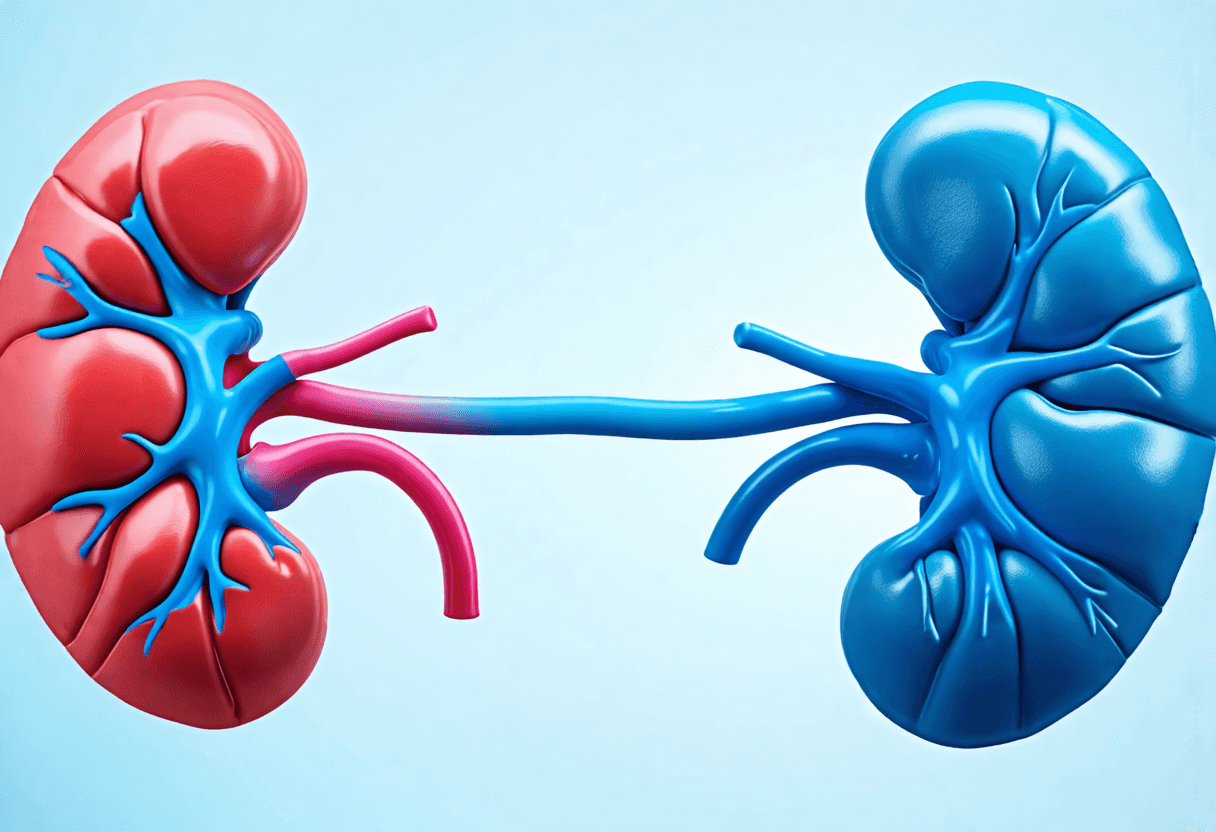
Kidney transplantation is a surgical procedure where a healthy kidney is transplanted from a donor into a person with end-stage renal disease. This can be a deceased donor or a living donor, such as a family member or friend. The goal of the transplant is to restore normal kidney function, allowing the body to filter waste and excess fluids effectively. There are two main types of kidney transplants: autologous, where the patient's own kidneys are repaired, and heterologous, where a donor kidney is used.
Pinakatanyag na mga pamamaraan sa India





The Evaluation Process
Before being approved for a kidney transplant, you'll undergo a comprehensive evaluation to assess your overall health and suitability for the procedure. This includes blood tests, imaging studies, and a thorough medical history review. Your healthcare team will also assess your mental and emotional readiness for the transplant, as well as your support system and ability to adhere to post-transplant care. This evaluation process can take several months, so it's essential to be patient and proactive in gathering the necessary information.

Mga Paggamot sa Kaayusan
Bigyan ang iyong sarili ng oras upang makapagpahinga
Garantisadong Pinakamababang Presyo!

Garantisadong Pinakamababang Presyo!
The Transplant Surgery
The transplant surgery itself typically takes 3-4 hours to complete, during which time the donor kidney is implanted in the lower abdomen. The surgical team will connect the new kidney to the blood vessels and bladder, and the incision site will be closed. You'll be under general anesthesia during the procedure, ensuring you're comfortable and pain-free. In some cases, a laparoscopic surgery may be performed, using smaller incisions and a camera to guide the surgeon.
The Recovery Period
After the surgery, you'll spend several days in the hospital recovering and allowing your body to heal. You may experience some discomfort, fatigue, and swelling, but these symptoms are usually manageable with medication and rest. Your healthcare team will closely monitor your progress, checking for signs of infection, bleeding, or rejection. You'll also receive guidance on wound care, medication, and follow-up appointments to ensure a smooth transition back to daily life.
Life After Transplant
While a kidney transplant can be a game-changer for those with end-stage renal disease, it's essential to understand that it's not a cure. You'll need to take immunosuppressive medications for the rest of your life to prevent rejection, and regular follow-up appointments will be necessary to monitor your kidney function. However, with proper care and attention, many transplant recipients can enjoy a significantly improved quality of life, free from the burden of dialysis and its associated complications.
749 mga pasyente mula sa India piliin ang package na ito para sa kanila Pakete ng Liver Transplant

Managing Risks and Complications
As with any major surgery, there are risks and complications associated with kidney transplantation. These can include infection, bleeding, and rejection, as well as side effects from immunosuppressive medications. It's crucial to work closely with your healthcare team to minimize these risks and address any concerns or issues promptly. By doing so, you can maximize the chances of a successful transplant and a healthy, fulfilling life.
Conclusion
A kidney transplant can be a life-changing event, offering a new lease on life for those struggling with end-stage renal disease. At Healthtrip, we're dedicated to supporting you every step of the way, from initial evaluation to post-transplant care. By understanding what to expect and being proactive in your care, you can navigate the transplant journey with confidence and optimism. Remember, you're not alone – our team of experts is here to guide you towards a brighter, healthier future.
Pinakatanyag na mga wellness package





Mga Kaugnay na Blog

Discharge at Follow-Up Plan para sa Eye Surgery sa pamamagitan ng Healthtrip
Magplano ng operasyon sa mata sa India gamit ang Healthtrip: mga ospital, doktor, visa,

Remote Consultation para sa Eye Surgery Bago Maglakbay kasama ang Healthtrip
Magplano ng operasyon sa mata sa India gamit ang Healthtrip: mga ospital, doktor, visa,

Paghahambing ng mga Package para sa Eye Surgery sa mga Healthtrip Hospital
Magplano ng operasyon sa mata sa India gamit ang Healthtrip: mga ospital, doktor, visa,

ICU at Post-Op Care Standards para sa Eye Surgery Healthtrip Guide
Magplano ng operasyon sa mata sa India gamit ang Healthtrip: mga ospital, doktor, visa,

Pre-Admission Checklist para sa Eye Surgery Patient sa pamamagitan ng Healthtrip
Magplano ng operasyon sa mata sa India gamit ang Healthtrip: mga ospital, doktor, visa,

Mga Nangungunang Doktor sa India para sa Eye Surgery sa pamamagitan ng Healthtrip
Magplano ng operasyon sa mata sa India gamit ang Healthtrip: mga ospital, doktor, visa,