Glaucoma 101: Pag-unawa sa Silent Thief of Sight
29 Oct, 2024
 Healthtrip
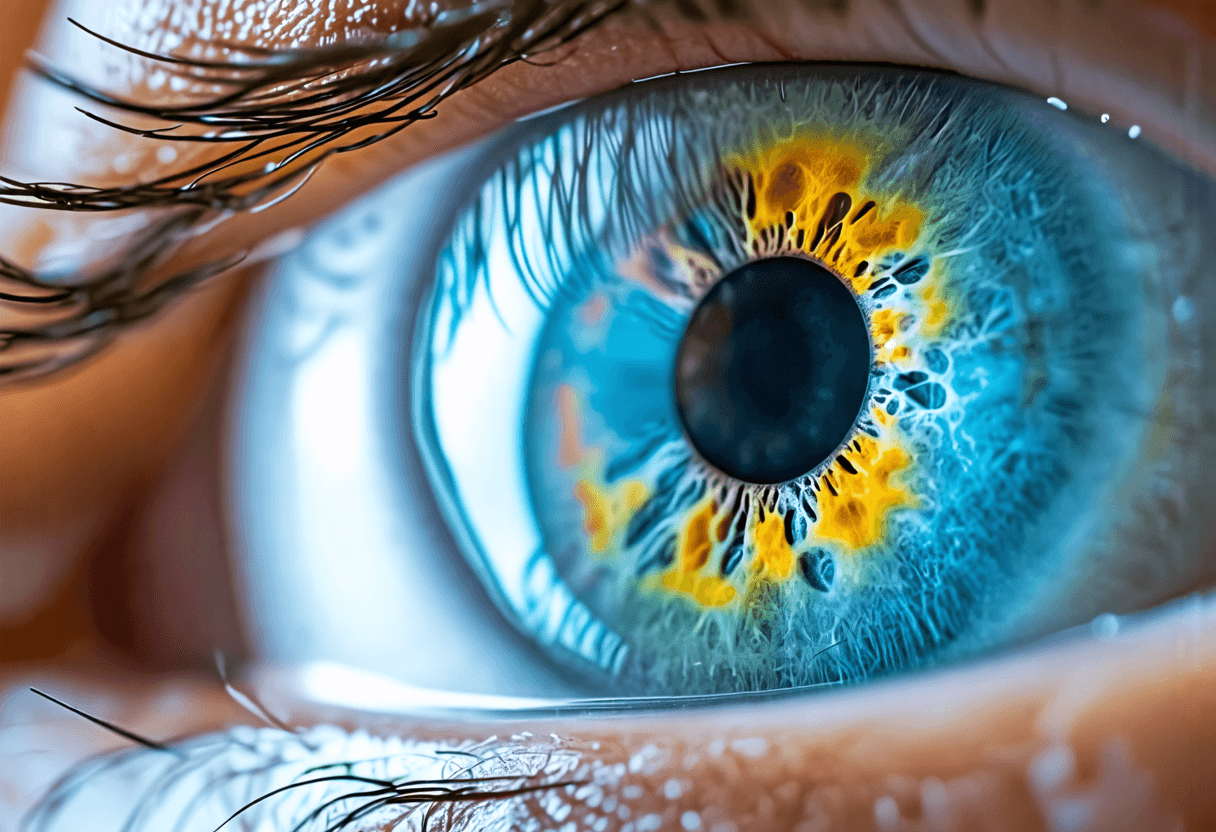
Imagine waking up one morning, stretching your arms, and rubbing the sleep from your eyes, only to realize that your vision is blurry, and everything appears foggy. You try to shake it off, thinking it's just a side effect of a late night or a lack of sleep, but as the days go by, the blurriness persists. You start to notice that things aren't as clear as they used to be, and the world around you begins to fade away. This is the reality for millions of people worldwide who are living with glaucoma, a group of eye conditions that can cause irreversible vision loss if left untreated. At Healthtrip, we believe that education is the first step towards prevention, and that's why we're dedicating this blog post to shedding light on the silent thief of sight – glaucoma.
What is Glaucoma?
Glaucoma is a complex and multifaceted eye disease that affects the optic nerve, which carries visual information from the eye to the brain. It's often referred to as the "silent thief of sight" because it can progress slowly and quietly, without any noticeable symptoms in its early stages. The disease is usually associated with increased pressure in the eye, although not exclusively, and can cause damage to the optic nerve, leading to vision loss and even blindness if left untreated. There are several types of glaucoma, including open-angle glaucoma, closed-angle glaucoma, and normal-tension glaucoma, each with its unique characteristics and risk factors.
Pinakatanyag na mga pamamaraan sa India



Risk Factors and Causes
While glaucoma can affect anyone, certain individuals are more at risk of developing the disease. These include people over the age of 40, those with a family history of glaucoma, diabetics, and individuals with high eye pressure. Additionally, people of African, Asian, or Hispanic descent are more likely to develop glaucoma, as are those who have suffered an eye injury or have certain medical conditions, such as high blood pressure or heart disease. The exact cause of glaucoma is still not fully understood, but it's believed to be linked to a combination of genetic and environmental factors.

Mga Paggamot sa Kaayusan
Bigyan ang iyong sarili ng oras upang makapagpahinga
Garantisadong Pinakamababang Presyo!

Garantisadong Pinakamababang Presyo!
Signs and Symptoms
One of the most challenging aspects of glaucoma is that it often develops slowly and without any noticeable symptoms in its early stages. However, as the disease progresses, individuals may start to experience a range of symptoms, including blurred vision, loss of peripheral vision, eye pain, redness, or sensitivity to light. In some cases, people may notice that they need to change their eyeglass prescription more frequently or that they're having trouble adjusting to dark environments. It's essential to be aware of these symptoms and to schedule regular eye exams to catch glaucoma in its early stages, when it's most treatable.
Diagnosis and Treatment
Diagnosing glaucoma typically involves a comprehensive eye exam, during which an eye doctor will measure the pressure in the eye, inspect the optic nerve, and perform a visual field test to assess peripheral vision. If glaucoma is diagnosed, treatment usually begins with eye drops or oral medications to reduce eye pressure and slow down the progression of the disease. In some cases, laser surgery or traditional surgery may be necessary to improve drainage or reduce pressure in the eye. At Healthtrip, we understand the importance of timely and effective treatment, which is why we connect patients with experienced eye specialists and state-of-the-art medical facilities around the world.
Living with Glaucoma
While there is currently no cure for glaucoma, it's possible to manage the disease and slow down its progression with the right treatment and lifestyle changes. This includes maintaining a healthy weight, exercising regularly, and eating a balanced diet rich in omega-3 fatty acids and antioxidants. It's also essential to reduce eye strain by taking regular breaks when working on a computer, wearing sunglasses to protect the eyes from UV rays, and getting enough sleep. By taking proactive steps to manage glaucoma, individuals can reduce their risk of vision loss and improve their overall quality of life.
700 mga pasyente mula sa India piliin ang package na ito para sa kanila Pakete ng Liver Transplant

Conclusion
Glaucoma is a complex and multifaceted disease that can have a profound impact on an individual's quality of life. However, with education, awareness, and timely treatment, it's possible to manage the disease and reduce the risk of vision loss. At Healthtrip, we're dedicated to empowering individuals with the knowledge and resources they need to take control of their eye health. By working together, we can reduce the incidence of glaucoma and help people around the world to see the world with clarity and precision.
Pinakatanyag na mga wellness package





Mga Kaugnay na Blog

Gabay sa HealthTrip sa Paggamot sa Glaucoma sa India
Galugarin kung paano gamutin ang glaucoma sa India na may mga nangungunang ospital

Pinakamahusay na mga doktor sa India para sa pamamahala ng glaucoma
Galugarin kung paano gamutin ang glaucoma sa India na may mga nangungunang ospital

Nangungunang mga ospital sa India para sa paggamot ng glaucoma
Galugarin kung paano gamutin ang glaucoma sa India na may mga nangungunang ospital

Pagbabago ng paningin, pagbabago ng buhay sa DR. Agarwal's Eye Hospital
Kumuha ng eksperto sa pangangalaga sa mata at paggamot sa DR. Mata ni Agarwal
Ang pagbabago ng buhay sa pamamagitan ng mga makabagong solusyon sa pangangalaga sa mata sa LV Prasad Eye Institute
Nag-aalok ang LV Prasad Eye Institute ng mga cut-edge na solusyon sa pangangalaga sa mata para sa
Amblyopia at ADHD: Ano ang Koneksyon?
Alisan ng takip ang nakakagulat na link sa pagitan ng amblyopia at adhd, at kung paano