Paggamot sa Gastric Cancer: Mga Uri, Mga Side Effect, at Rate ng Tagumpay
18 Oct, 2024
 Healthtrip
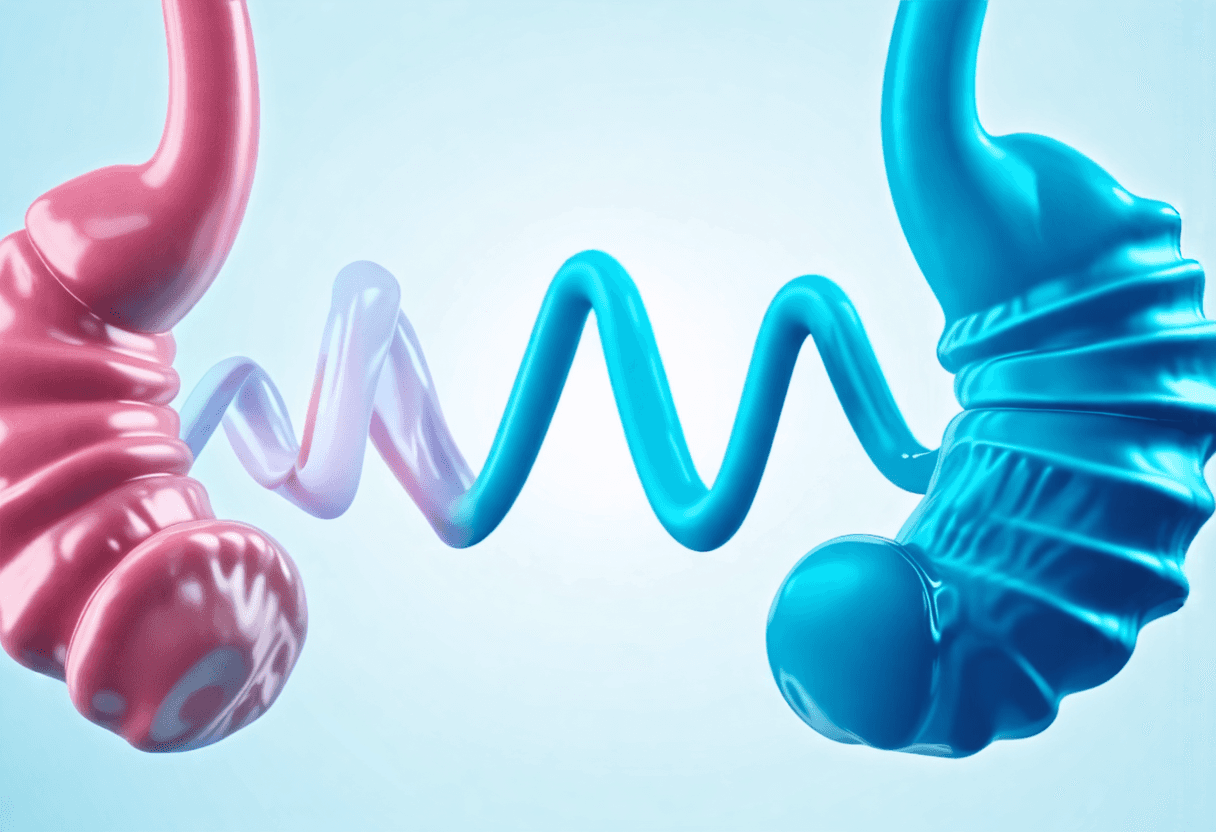
Gastric cancer, also known as stomach cancer, is a type of cancer that affects the stomach, which is a vital organ responsible for digesting food. It occurs when abnormal cells in the stomach lining grow and multiply uncontrollably, forming a tumor. According to the World Health Organization (WHO), gastric cancer is the fifth most common cancer worldwide, with a high incidence rate in East Asia, especially in Japan, China, and Korea. Despite its prevalence, gastric cancer is often diagnosed at an advanced stage, making treatment challenging. However, with advances in medical technology and treatment options, it is essential to understand the various types of gastric cancer treatment, their side effects, and success rates.
Treatment Options for Gastric Cancer
Treatment for gastric cancer usually involves a combination of surgery, chemotherapy, and radiation therapy. The choice of treatment depends on the stage and location of the cancer, as well as the patient's overall health. Here are the common treatment options:
Pinakatanyag na mga pamamaraan sa India

Surgery
Surgery is the most effective treatment for gastric cancer, especially when the cancer is diagnosed at an early stage. There are two types of surgery: partial gastrectomy and total gastrectomy. In partial gastrectomy, the surgeon removes the affected part of the stomach, while in total gastrectomy, the entire stomach is removed. Surgery can be performed using an open or laparoscopic approach, depending on the patient's condition. Laparoscopic surgery is a minimally invasive procedure that involves making small incisions and using a camera to guide the surgeon.
Chemotherapy
Chemotherapy is a systemic treatment that uses drugs to kill cancer cells. It can be administered before or after surgery to reduce the size of the tumor or to prevent recurrence. Chemotherapy can be given orally or intravenously, and the regimen usually involves a combination of drugs. The most commonly used chemotherapy drugs for gastric cancer are fluorouracil, cisplatin, and epirubicin.

Mga Paggamot sa Kaayusan
Bigyan ang iyong sarili ng oras upang makapagpahinga
Garantisadong Pinakamababang Presyo!

Garantisadong Pinakamababang Presyo!
Radiation Therapy
Radiation therapy uses high-energy radiation to kill cancer cells. It can be used to relieve symptoms, such as pain and bleeding, in advanced gastric cancer cases. Radiation therapy can be administered externally using a machine or internally using a radioactive implant.
Side Effects of Gastric Cancer Treatment
Treatment for gastric cancer can cause side effects, which vary depending on the type and intensity of the treatment. Common side effects include:
Nausea and Vomiting
Nausea and vomiting are common side effects of chemotherapy and radiation therapy. They can be managed with medication and dietary changes.
Fatigue
Fatigue is a common side effect of chemotherapy and radiation therapy. It can be managed with rest, exercise, and stress-reducing techniques.
738 mga pasyente mula sa India piliin ang package na ito para sa kanila Pakete ng Liver Transplant
Diarrhea
Diarrhea is a common side effect of chemotherapy and radiation therapy. It can be managed with medication and dietary changes.
Hair Loss
Hair loss is a common side effect of chemotherapy. It can be managed with a cold cap, which reduces blood flow to the scalp, or with a wig or hairpiece.
Success Rate of Gastric Cancer Treatment
The success rate of gastric cancer treatment depends on the stage and location of the cancer, as well as the patient's overall health. According to the American Cancer Society, the five-year survival rate for gastric cancer is:
Early Stage (Stage I)
70-90% of patients with early-stage gastric cancer survive for five years or more after treatment.
Advanced Stage (Stage III and IV)
10-30% of patients with advanced gastric cancer survive for five years or more after treatment.
In conclusion, gastric cancer treatment involves a combination of surgery, chemotherapy, and radiation therapy. While treatment can cause side effects, the success rate is high, especially when the cancer is diagnosed at an early stage. It is essential to understand the various treatment options and their side effects to make informed decisions about care. With advances in medical technology and treatment options, there is hope for patients diagnosed with gastric cancer.
Pinakatanyag na mga wellness package





Mga Kaugnay na Blog

Discharge at Follow-Up Plan para sa Paggamot sa Kanser sa pamamagitan ng Healthtrip
Magplano ng paggamot sa cancer sa India gamit ang Healthtrip: mga ospital, doktor, visa,

Malayong Konsultasyon para sa Paggamot sa Kanser Bago Maglakbay kasama ang Healthtrip
Magplano ng paggamot sa cancer sa India gamit ang Healthtrip: mga ospital, doktor, visa,
Paghahambing ng Mga Package para sa Paggamot sa Kanser sa Mga Ospital ng Healthtrip
Magplano ng paggamot sa cancer sa India gamit ang Healthtrip: mga ospital, doktor, visa,

Mga Pamantayan sa ICU at Post-Op Care para sa Gabay sa Healthtrip sa Paggamot sa Kanser
Magplano ng paggamot sa cancer sa India gamit ang Healthtrip: mga ospital, doktor, visa,

Pre-Admission Checklist para sa mga Pasyente sa Paggamot ng Kanser sa pamamagitan ng Healthtrip
Magplano ng paggamot sa cancer sa India gamit ang Healthtrip: mga ospital, doktor, visa,
Mga Nangungunang Doktor sa India para sa Paggamot sa Kanser sa Pamamagitan ng Healthtrip
Magplano ng paggamot sa cancer sa India gamit ang Healthtrip: mga ospital, doktor, visa,