
Pagsusuri sa Gastric Cancer: Mga Pagsusuri at Pamamaraan
18 Oct, 2024
 Healthtrip
Gastric cancer, also known as stomach cancer, is a type of cancer that affects the stomach, which is a vital organ responsible for digesting food. It is a serious disease that can be life-threatening if not diagnosed and treated early. According to the American Cancer Society, gastric cancer is the fifth most common type of cancer worldwide, and it is more common in men than women. The good news is that with advancements in medical technology, there are various tests and procedures available to detect gastric cancer in its early stages, when it is most treatable.
Why Screening for Gastric Cancer is Important
Gastric cancer often does not show any symptoms in its early stages, making it challenging to diagnose. If left undetected, it can spread to other parts of the body, making treatment more complicated and reducing the chances of survival. Screening for gastric cancer is crucial to identify the disease early, when it is most treatable. Early detection can improve treatment outcomes, reduce the risk of complications, and increase the chances of survival. In fact, according to the National Cancer Institute, the 5-year survival rate for people with localized gastric cancer (cancer that has not spread to other parts of the body) is about 65%, compared to 5% for those with advanced gastric cancer.
Pinakatanyag na mga pamamaraan sa India





Risk Factors for Gastric Cancer
Certain individuals are at a higher risk of developing gastric cancer, including those with a family history of the disease, smokers, and people who have had a Helicobacter pylori infection. Other risk factors include a diet high in salted, smoked, or processed foods, and a history of stomach surgery or stomach inflammation. If you have any of these risk factors, it is essential to talk to your doctor about screening for gastric cancer.

Mga Paggamot sa Kaayusan
Bigyan ang iyong sarili ng oras upang makapagpahinga
Garantisadong Pinakamababang Presyo!

Garantisadong Pinakamababang Presyo!
Tests and Procedures for Gastric Cancer Screening
There are several tests and procedures that can help detect gastric cancer, including:
Upper Gastrointestinal Endoscopy
This is a procedure in which a flexible tube with a camera and light on the end (endoscope) is inserted through the mouth and down the throat to visualize the inside of the esophagus, stomach, and duodenum (the first part of the small intestine). During the procedure, the doctor can collect tissue samples (biopsy) for further examination.
Endoscopic Ultrasound
This is a procedure that uses sound waves to produce images of the stomach and surrounding tissues. It is often used to stage gastric cancer, which means determining the extent of the cancer.
Barium Swallow
This is a type of X-ray that uses a contrast material called barium to visualize the esophagus, stomach, and duodenum. It is often used to detect abnormalities in the stomach lining.
763 mga pasyente mula sa India piliin ang package na ito para sa kanila Pakete ng Liver Transplant

Computed Tomography (CT) Scan
This is a type of imaging test that uses X-rays and computer technology to produce detailed images of the stomach and surrounding tissues. It is often used to stage gastric cancer and detect any metastases (spread of cancer to other parts of the body).
Positron Emission Tomography (PET) Scan
This is a type of imaging test that uses a small amount of radioactive material to detect cancer cells in the body. It is often used to stage gastric cancer and detect any metastases.
What to Expect During Gastric Cancer Screening
Before undergoing gastric cancer screening, it is essential to talk to your doctor about any medications you are taking, including antacids, and any allergies you may have. You may be asked to fast for a certain period before the test or procedure. During the test or procedure, you may experience some discomfort or mild side effects, such as bloating or gas. However, these side effects are usually temporary and resolve on their own.
After the Test or Procedure
After the test or procedure, your doctor will discuss the results with you. If the results are abnormal, your doctor may recommend further testing or a biopsy to confirm the diagnosis. If you are diagnosed with gastric cancer, your doctor will discuss treatment options with you, which may include surgery, chemotherapy, or radiation therapy.
Conclusion
Gastric cancer screening is a crucial step in detecting the disease early, when it is most treatable. If you are at risk of developing gastric cancer or have symptoms suggestive of the disease, it is essential to talk to your doctor about screening. With advancements in medical technology, there are various tests and procedures available to detect gastric cancer, and early detection can improve treatment outcomes and increase the chances of survival.
Pinakatanyag na mga wellness package





Mga Kaugnay na Blog

Mga Pagsusuri sa Pagsusuri sa Kanser sa Suso
Alamin ang tungkol sa iba't ibang mga pagsubok sa screening para sa kanser sa suso

Pag-unawa sa Mga Pagsusuri sa Pagsusuri sa Cervical Cancer
Maging kaalaman tungkol sa iba't ibang uri ng cervical cancer screening

Pag -iwas sa kanser sa tiyan: Mga pagbabago sa pamumuhay at pagbabawas ng peligro
Alamin ang tungkol sa mga pagbabago sa pamumuhay at pagbabawas ng peligro para sa kanser sa tiyan

Paggamot ng Gastric cancer sa Singapore: Mga advanced na pagpipilian
Galugarin ang mga advanced na pagpipilian sa paggamot sa gastric cancer sa Singapore na may HealthTrip

Kamalayan sa kanser sa tiyan: Pagtuturo sa iyong sarili at sa iba pa
Turuan ang iyong sarili at ang iba pa tungkol sa kamalayan ng kanser sa tiyan na may healthtrip
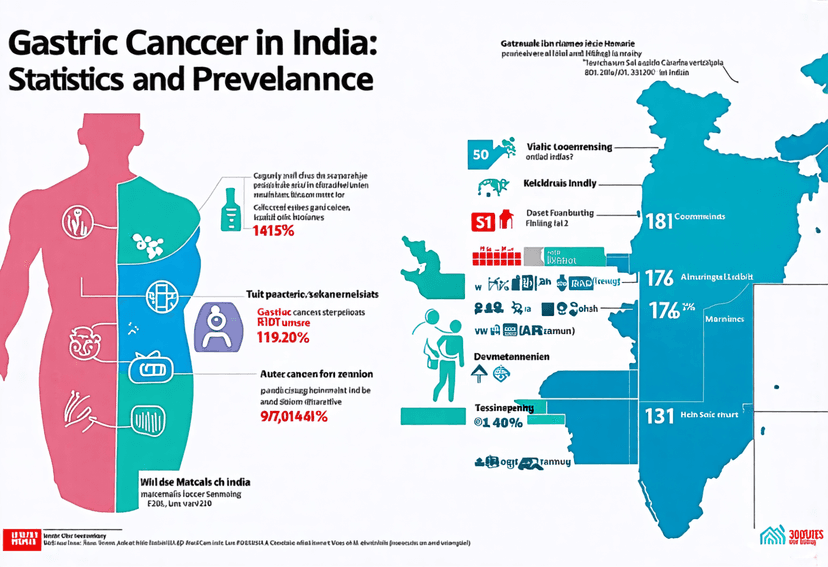
Gastric cancer sa India: Statistics at Prevalence
Unawain ang mga istatistika at paglaganap ng cancer sa gastric sa India