Pakej bermula dari
$8000
Perlu bantuan dalam memilih pakej yang betul untuk perjalanan perubatan anda?
Data kesihatan anda dilindungi bersama kami
Mengubah Hidup dengan Penyahmampatan laminektomi dengan penetapan
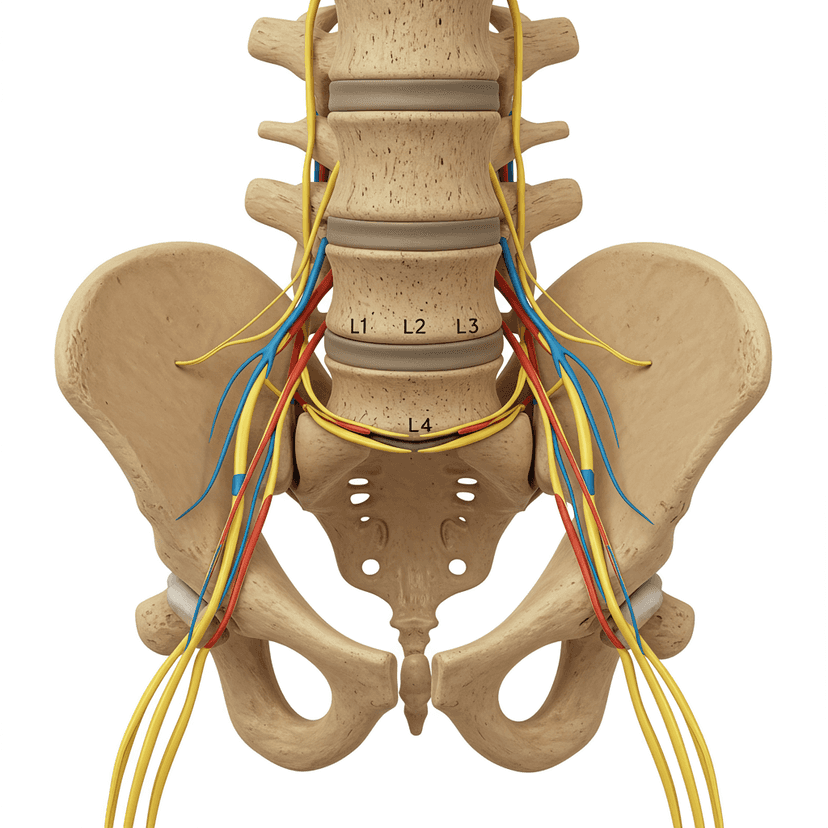
Penyahmampatan laminektomi dengan fiksasi ialah prosedur pembedahan yang menggabungkan penyahmampatan saraf tunjang dan akar saraf dengan penstabilan tulang belakang. Pembedahan ini biasanya dilakukan untuk melegakan simptom yang disebabkan oleh stenosis tulang belakang, iaitu penyempitan ruang dalam tulang belakang yang menyebabkan tekanan pada saraf tunjang dan saraf.
Gambaran Keseluruhan Prosedur:
- Penyahmampatan laminektomi: Prosedur ini melibatkan penyingkiran sebahagian atau semua tulang vertebra yang dipanggil lamina. Penyahmampatan ini bertujuan untuk melegakan tekanan pada saraf tunjang atau akar saraf, menangani gejala seperti sakit, lemah, atau kebas pada kaki dan belakang. Pembuangan tambahan taji tulang atau ligamen yang menebal juga boleh dilakukan untuk melegakan lagi mampatan saraf.
- Penetapan tulang belakang: Untuk mengekalkan integriti struktur tulang belakang dan mencegah ketidakstabilan selepas penyahmampatan, penetapan dilakukan menggunakan perkakasan seperti rod, skru, dan kadang -kadang plat atau sangkar. Alat ini membantu mengekalkan vertebra dalam penjajaran yang betul dan memudahkan percantuman tulang belakang dari semasa ke semasa.
Faedah:
- Melegakan tekanan pada saraf tulang belakang
- Mengurangkan kesakitan dan meningkatkan mobiliti
- Menstabilkan tulang belakang untuk mencegah perubahan degeneratif selanjutnya
Pemulihan:
- Proses pemulihan biasanya melibatkan penginapan hospital beberapa hari, diikuti dengan terapi fizikal. Pesakit sering menggunakan pendakap belakang untuk menyokong tulang belakang semasa fasa pemulihan awal.
- Terapi fizikal adalah penting untuk mengukuhkan belakang dan meningkatkan fleksibiliti, dengan pemulihan penuh dan kembali kepada aktiviti normal dari beberapa minggu hingga bulan, bergantung pada tahap pembedahan dan kesihatan keseluruhan pesakit.
Hasil:
- Kebanyakan pesakit mengalami peningkatan yang ketara dalam gejala pra-pembedahan mereka, dengan kesakitan yang dikurangkan dan fungsi yang dipertingkatkan. Kejayaan jangka panjang bergantung kepada penjagaan selepas pembedahan yang betul, termasuk pematuhan kepada terapi fizikal dan pengubahsuaian aktiviti.
Penyahmampatan laminektomi dengan penetapan adalah pendekatan pembedahan yang biasa dan berkesan untuk merawat keadaan tulang belakang yang menyebabkan mampatan saraf dan memerlukan penstabilan untuk memastikan penjajaran tulang belakang dan kesihatan.
5.0
95% Dinilai Nilai untuk Wang
Mengapa Pilih kami?

97%
Kadar Kejayaan

0
Penyahmampatan laminektomi dengan penetapan Pakar Bedah

0
Penyahmampatan laminektomi dengan penetapan

0
Hospital Di Seluruh Dunia

0
Kehidupan yang disentuh
Gambaran Keseluruhan
Penyahmampatan laminektomi dengan fiksasi ialah prosedur pembedahan yang menggabungkan penyahmampatan saraf tunjang dan akar saraf dengan penstabilan tulang belakang. Pembedahan ini biasanya dilakukan untuk melegakan simptom yang disebabkan oleh stenosis tulang belakang, iaitu penyempitan ruang dalam tulang belakang yang menyebabkan tekanan pada saraf tunjang dan saraf.
Gambaran Keseluruhan Prosedur:
- Penyahmampatan laminektomi: Prosedur ini melibatkan penyingkiran sebahagian atau semua tulang vertebra yang dipanggil lamina. Penyahmampatan ini bertujuan untuk melegakan tekanan pada saraf tunjang atau akar saraf, menangani gejala seperti sakit, lemah, atau kebas pada kaki dan belakang. Pembuangan tambahan taji tulang atau ligamen yang menebal juga boleh dilakukan untuk melegakan lagi mampatan saraf.
- Penetapan tulang belakang: Untuk mengekalkan integriti struktur tulang belakang dan mencegah ketidakstabilan selepas penyahmampatan, penetapan dilakukan menggunakan perkakasan seperti rod, skru, dan kadang -kadang plat atau sangkar. Alat ini membantu mengekalkan vertebra dalam penjajaran yang betul dan memudahkan percantuman tulang belakang dari semasa ke semasa.
Faedah:
- Melegakan tekanan pada saraf tulang belakang
- Mengurangkan kesakitan dan meningkatkan mobiliti
- Menstabilkan tulang belakang untuk mencegah perubahan degeneratif selanjutnya
Pemulihan:
- Proses pemulihan biasanya melibatkan penginapan hospital beberapa hari, diikuti dengan terapi fizikal. Pesakit sering menggunakan pendakap belakang untuk menyokong tulang belakang semasa fasa pemulihan awal.
- Terapi fizikal adalah penting untuk mengukuhkan belakang dan meningkatkan fleksibiliti, dengan pemulihan penuh dan kembali kepada aktiviti normal dari beberapa minggu hingga bulan, bergantung pada tahap pembedahan dan kesihatan keseluruhan pesakit.
Hasil:
- Kebanyakan pesakit mengalami peningkatan yang ketara dalam gejala pra-pembedahan mereka, dengan kesakitan yang dikurangkan dan fungsi yang dipertingkatkan. Kejayaan jangka panjang bergantung kepada penjagaan selepas pembedahan yang betul, termasuk pematuhan kepada terapi fizikal dan pengubahsuaian aktiviti.
Penyahmampatan laminektomi dengan penetapan adalah pendekatan pembedahan yang biasa dan berkesan untuk merawat keadaan tulang belakang yang menyebabkan mampatan saraf dan memerlukan penstabilan untuk memastikan penjajaran tulang belakang dan kesihatan.