Pakej bermula dari
$7000
Perlu bantuan dalam memilih pakej yang betul untuk perjalanan perubatan anda?
Data kesihatan anda dilindungi bersama kami
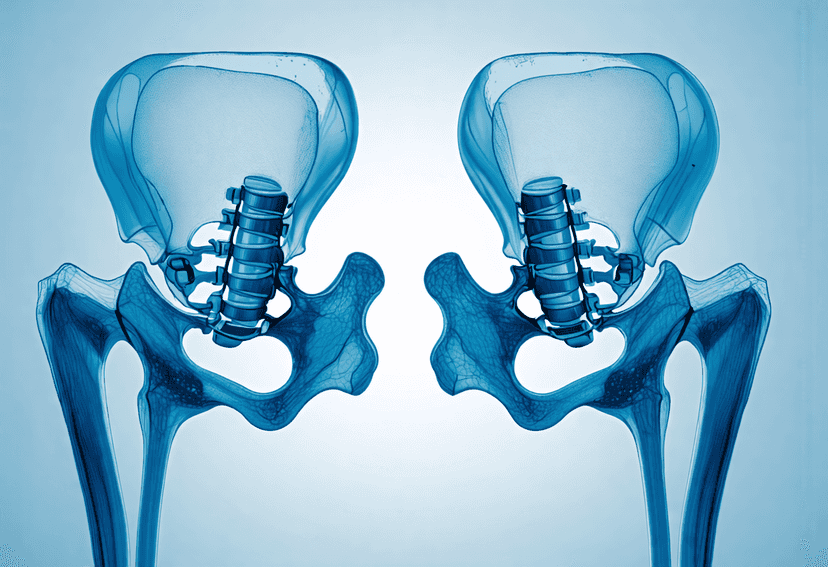
Mengubah Hidup dengan Pembedahan Penggantian Pinggul Keseluruhan Sepihak
Unilateral total hip replacement surgery, also known as hip arthroplasty, is a procedure in which a damaged or diseased hip joint is replaced with an artificial joint. This surgery is typically performed to relieve pain and improve mobility in individuals who have not responded well to non-surgical treatments such as physical therapy or medications, primarily due to conditions like osteoarthritis, rheumatoid arthritis, hip fractures, or other hip deformities.
Procedure Overview:
- Surgical Technique: The surgery involves removing the damaged femoral head (the upper end of the thigh bone) and replacing it with a metal stem that is inserted into the hollow center of the femur. A metal or ceramic ball is placed on the upper part of this stem. The damaged cartilage surface of the socket (acetabulum) in the hip bone is also removed and replaced with a metal socket. Soft tissues are then reattached, and a plastic, ceramic, or metal spacer is inserted between the new ball and the socket to allow for a smooth gliding surface.
Advantages:
- Pain Relief: Most patients experience significant pain relief and a decrease in hip stiffness.
- Improved Mobility: The surgery helps restore the range of motion and the ability to perform daily activities without the pain that was previously limiting.
- Durability: Modern hip prostheses are highly durable, often lasting 20 years or more with proper care.
- Recovery:
- Recovery involves walking with the aid of crutches or a walker initially, progressing to unassisted walking as healing occurs. Rehabilitation includes physical therapy to strengthen the hip and improve flexibility.
- Most patients can resume light, everyday activities within three to six weeks after surgery, with complete recovery taking several months.
- Outcomes:
- Unilateral total hip replacement is highly successful in improving the quality of life for patients suffering from hip pain and dysfunction. It allows for a return to near-normal function and is associated with a high rate of patient satisfaction.
4.0
92% Dinilai Nilai untuk Wang
Mengapa Pilih kami?

99%
Kadar Kejayaan

0
Pembedahan Penggantian Pinggul Keseluruhan Sepihak Pakar Bedah

0
Pembedahan Penggantian Pinggul Keseluruhan Sepihak

0
Hospital Di Seluruh Dunia

0
Kehidupan yang disentuh
Gambaran Keseluruhan
Unilateral total hip replacement surgery, also known as hip arthroplasty, is a procedure in which a damaged or diseased hip joint is replaced with an artificial joint. This surgery is typically performed to relieve pain and improve mobility in individuals who have not responded well to non-surgical treatments such as physical therapy or medications, primarily due to conditions like osteoarthritis, rheumatoid arthritis, hip fractures, or other hip deformities.
Procedure Overview:
- Surgical Technique: The surgery involves removing the damaged femoral head (the upper end of the thigh bone) and replacing it with a metal stem that is inserted into the hollow center of the femur. A metal or ceramic ball is placed on the upper part of this stem. The damaged cartilage surface of the socket (acetabulum) in the hip bone is also removed and replaced with a metal socket. Soft tissues are then reattached, and a plastic, ceramic, or metal spacer is inserted between the new ball and the socket to allow for a smooth gliding surface.
Advantages:
- Pain Relief: Most patients experience significant pain relief and a decrease in hip stiffness.
- Improved Mobility: The surgery helps restore the range of motion and the ability to perform daily activities without the pain that was previously limiting.
- Durability: Modern hip prostheses are highly durable, often lasting 20 years or more with proper care.
- Recovery:
- Recovery involves walking with the aid of crutches or a walker initially, progressing to unassisted walking as healing occurs. Rehabilitation includes physical therapy to strengthen the hip and improve flexibility.
- Most patients can resume light, everyday activities within three to six weeks after surgery, with complete recovery taking several months.
- Outcomes:
- Unilateral total hip replacement is highly successful in improving the quality of life for patients suffering from hip pain and dysfunction. It allows for a return to near-normal function and is associated with a high rate of patient satisfaction.