Pakej bermula dari
$7200
Perlu bantuan dalam memilih pakej yang betul untuk perjalanan perubatan anda?
Data kesihatan anda dilindungi bersama kami
Mengubah Hidup dengan AVR/MVR
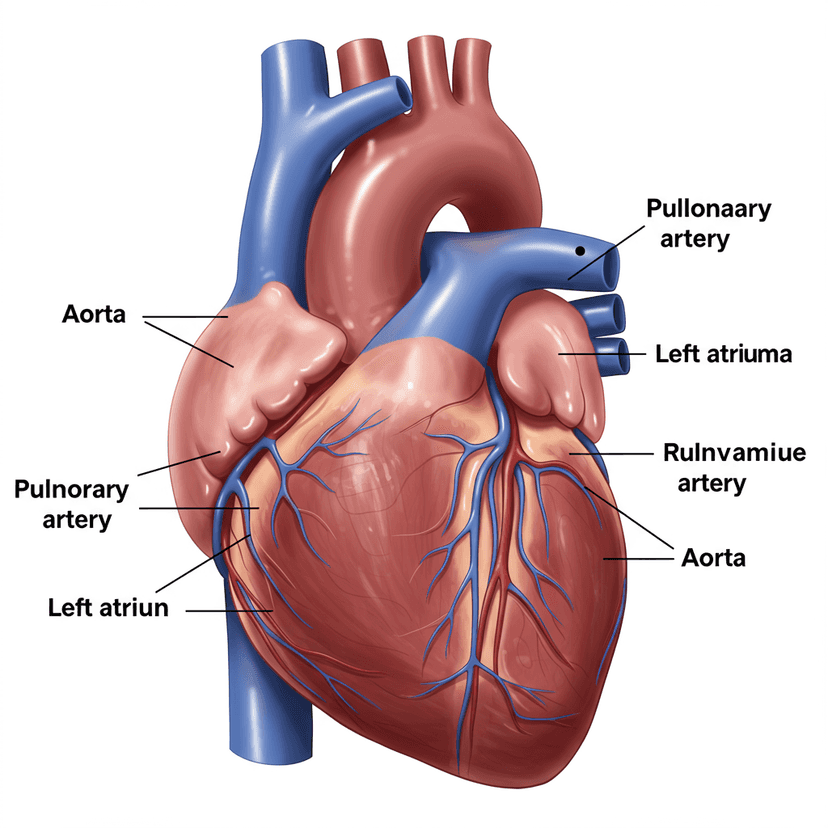
AVR (Aortic Valve Replacement) and MVR (Mitral Valve Replacement) are surgical procedures that involve replacing diseased or malfunctioning heart valves with artificial ones. These surgeries are essential treatments for valve diseases such as stenosis (narrowing of the valve that restricts blood flow) or regurgitation (leakage of the valve that allows blood to flow backward).
Key Aspects of AVR and MVR:
- Purpose: Both AVR and MVR are performed to restore normal blood flow, reduce symptoms, improve quality of life, and extend life expectancy for patients with severe valve damage.
- Procedure: The procedures can be performed through traditional open-heart surgery, where the chest is opened to access the heart, or through minimally invasive techniques using smaller incisions or catheter-based methods like TAVR (Transcatheter Aortic Valve Replacement) for AVR. The choice of procedure depends on the patient's overall health, the severity of the valve disease, and other medical factors.
- Valve Types: The replacement valves used can be mechanical, made from durable materials requiring lifelong anticoagulation therapy to prevent blood clots, or biological, made from tissue (porcine, bovine, or human) that may wear out over time but usually does not require long-term anticoagulation.
- Recovery: Post-surgery, patients typically spend several days in the hospital. Full recovery from open-heart surgery might take several weeks to months, whereas recovery from minimally invasive surgery may be quicker. Patients undergo regular monitoring and follow-up care to ensure the new valve functions properly and to manage any potential complications.
- Outcomes: Both AVR and MVR generally have good outcomes with significant improvements in symptoms and cardiac function. The type of valve and the method of surgery affect the long-term management of the patient.
AVR and MVR are lifesaving procedures for patients with significant valve disease, offering them a chance at a more active and longer life following recovery.
4.0
95% Dinilai Nilai untuk Wang
Mengapa Pilih kami?

97%
Kadar Kejayaan

1+
AVR/MVR Pakar Bedah

0
AVR/MVR

1+
Hospital Di Seluruh Dunia

0
Kehidupan yang disentuh
Gambaran Keseluruhan
AVR (Aortic Valve Replacement) and MVR (Mitral Valve Replacement) are surgical procedures that involve replacing diseased or malfunctioning heart valves with artificial ones. These surgeries are essential treatments for valve diseases such as stenosis (narrowing of the valve that restricts blood flow) or regurgitation (leakage of the valve that allows blood to flow backward).
Key Aspects of AVR and MVR:
- Purpose: Both AVR and MVR are performed to restore normal blood flow, reduce symptoms, improve quality of life, and extend life expectancy for patients with severe valve damage.
- Procedure: The procedures can be performed through traditional open-heart surgery, where the chest is opened to access the heart, or through minimally invasive techniques using smaller incisions or catheter-based methods like TAVR (Transcatheter Aortic Valve Replacement) for AVR. The choice of procedure depends on the patient's overall health, the severity of the valve disease, and other medical factors.
- Valve Types: The replacement valves used can be mechanical, made from durable materials requiring lifelong anticoagulation therapy to prevent blood clots, or biological, made from tissue (porcine, bovine, or human) that may wear out over time but usually does not require long-term anticoagulation.
- Recovery: Post-surgery, patients typically spend several days in the hospital. Full recovery from open-heart surgery might take several weeks to months, whereas recovery from minimally invasive surgery may be quicker. Patients undergo regular monitoring and follow-up care to ensure the new valve functions properly and to manage any potential complications.
- Outcomes: Both AVR and MVR generally have good outcomes with significant improvements in symptoms and cardiac function. The type of valve and the method of surgery affect the long-term management of the patient.
AVR and MVR are lifesaving procedures for patients with significant valve disease, offering them a chance at a more active and longer life following recovery.

Doktor

5.0
Berunding di: