
Apakah itu Penolakan Pemindahan Jantung?
13 Oct, 2024
 Healthtrip
When it comes to organ transplants, the success of the procedure largely depends on the body's acceptance of the new organ. In the case of a heart transplant, the risk of rejection is a major concern. A heart transplant rejection occurs when the recipient's immune system recognizes the transplanted heart as foreign and attacks it, leading to a series of complications that can be life-threatening if left untreated. As medical technology continues to advance, the chances of a successful heart transplant have increased significantly, but rejection remains a major hurdle that transplant teams and patients must overcome.
Understanding Heart Transplant Rejection
A heart transplant rejection can occur in two ways: acute rejection and chronic rejection. Acute rejection is a sudden and severe response by the immune system, which can occur within the first few months after the transplant. This type of rejection is usually treated with medication and, in some cases, additional surgery. Chronic rejection, on the other hand, is a gradual process that can take place over several years, often resulting in the narrowing of blood vessels in the transplanted heart, which can lead to cardiac failure if left untreated.
Prosedur paling popular dalam India

Risk Factors for Heart Transplant Rejection
Several factors can increase the risk of heart transplant rejection. These include the recipient's overall health, the quality of the donated heart, and the compatibility between the donor and recipient. In some cases, the recipient's immune system may be more prone to rejection due to underlying medical conditions or previous exposure to certain medications. Additionally, the age and health of the donor can also play a significant role in the success of the transplant.
Other factors that can contribute to heart transplant rejection include infection, poor wound healing, and inadequate medication adherence. It is essential for transplant patients to follow their medication regimen carefully and attend regular follow-up appointments to monitor their progress and identify any potential complications early on.

Rawatan Kesihatan
Beri diri anda masa untuk berehat
Harga Terendah Dijamin!

Harga Terendah Dijamin!
Signs and Symptoms of Heart Transplant Rejection
The signs and symptoms of heart transplant rejection can vary depending on the severity of the rejection and the individual patient. Common symptoms include fatigue, shortness of breath, swelling in the legs and ankles, and rapid weight gain. In some cases, patients may experience chest pain, dizziness, or lightheadedness. If left untreated, heart transplant rejection can lead to serious complications, including cardiac failure, arrhythmias, and even death.
Diagnosing Heart Transplant Rejection
Diagnosing heart transplant rejection typically involves a combination of physical examination, laboratory tests, and imaging studies. Doctors may perform an electrocardiogram (ECG) to monitor the heart's electrical activity, as well as echocardiograms and cardiac catheterization to visualize the heart and its blood vessels. Blood tests can help identify any signs of inflammation or immune system activity, which can indicate rejection.
In some cases, a biopsy may be necessary to confirm the diagnosis. During a biopsy, a small sample of tissue is taken from the transplanted heart and examined under a microscope for signs of rejection. This procedure can help doctors determine the severity of the rejection and guide treatment decisions.
Treatment Options for Heart Transplant Rejection
Treatment for heart transplant rejection typically involves a combination of medications and, in some cases, additional surgery. The goal of treatment is to suppress the immune system's response to the transplanted heart and prevent further damage. Medications may include immunosuppressive drugs, corticosteroids, and antibiotics to prevent infection. In severe cases, patients may require additional surgery to repair or replace the transplanted heart.
731 pesakit dari India pilih pakej ini untuk mereka Pakej Pemindahan Hati

In addition to medical treatment, lifestyle modifications can also play a crucial role in preventing heart transplant rejection. Patients are advised to follow a healthy diet, engage in regular exercise, and avoid smoking and excessive alcohol consumption. By working closely with their healthcare team and making healthy lifestyle choices, patients can reduce their risk of rejection and enjoy a better quality of life after a heart transplant.
While heart transplant rejection is a serious complication, advances in medical technology and treatment options have significantly improved outcomes for transplant patients. By understanding the risks and signs of rejection, patients can take an active role in their care and work towards a successful transplant outcome.
Pakej kesihatan paling popular





Blog Berkaitan

Pakej Pembedahan Bypass Jantung Terbaik di HealthTrip 2025
Terokai pakej pembedahan pintasan jantung di atas di HealthTrip untuk 2025.

Mengalami penjagaan jantung bertaraf dunia di pengiring Fortis
Dapatkan rawatan jantung terbaik di Fortis Escorts Heart Institute
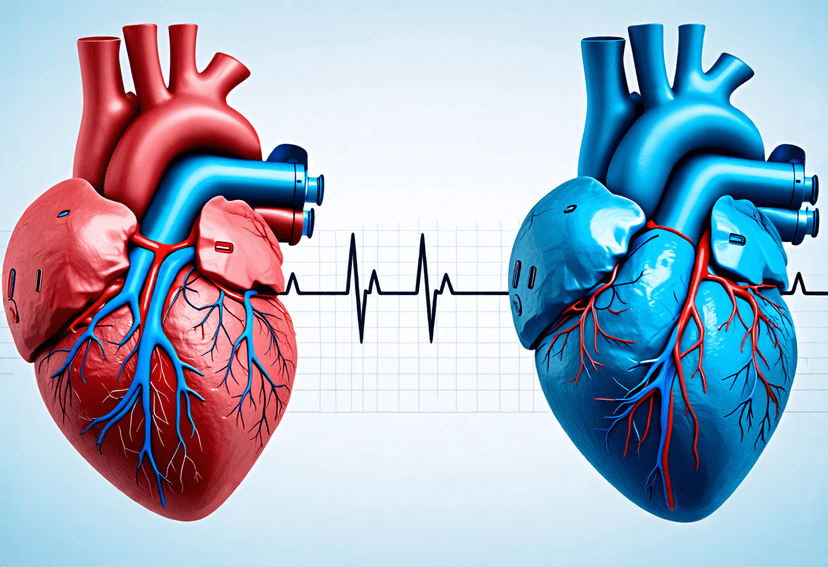
Masa depan pemindahan jantung
Kemajuan dan inovasi dalam pemindahan jantung.

Pemindahan Jantung dan Perubahan Gaya Hidup
Membuat pilihan gaya hidup yang sihat selepas pemindahan jantung.
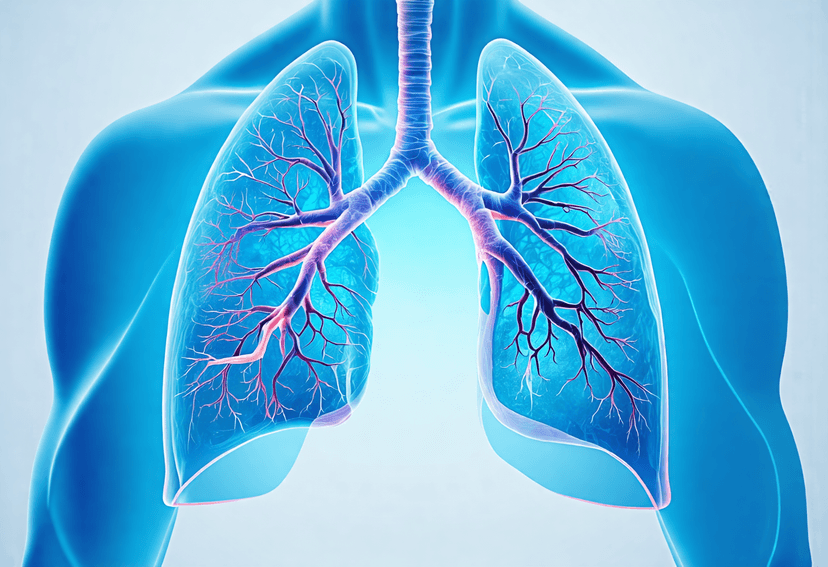
Transplantasi dan penolakan paru -paru: Apa yang Perlu Tahu
Memahami risiko penolakan selepas pemindahan paru -paru, termasuk

Peranan Keluarga dan Rakan dalam Pemulihan Transplan Jantung
Kepentingan sistem sokongan yang kuat untuk pemindahan jantung