
Memahami ubat pemindahan
08 Oct, 2024
 Healthtrip
Transplantasi organ telah merevolusikan bidang perubatan, menawarkan peluang kedua dalam kehidupan untuk individu yang menderita kegagalan organ peringkat akhir. Walau bagaimanapun, prosedur menyelamatkan nyawa ini datang dengan cabarannya sendiri, salah satu yang paling penting ialah keperluan ubat sepanjang hayat untuk mengelakkan penolakan organ yang dipindahkan. Ubat pemindahan, juga dikenali sebagai terapi imunosupresif, memainkan peranan penting dalam memastikan kejayaan pemindahan dengan menekan tindak balas semula jadi sistem imun terhadap organ baru. Di blog ini, kita akan menyelidiki dunia ubat pemindahan, meneroka kepentingan, jenis, kesan sampingan, dan strategi pengurusannya.
Kepentingan ubat pemindahan
Apabila seseorang individu menerima organ yang dipindahkan, sistem imun mereka mengenalinya sebagai asing dan cuba menolaknya. Penolakan ini boleh menyebabkan komplikasi yang serius, termasuk kegagalan organ dan juga kematian. Ubat pemindahan membantu mencegah penolakan ini dengan menekan tindak balas sistem imun, membolehkan organ yang dipindahkan berfungsi dengan baik. Ubat ini berfungsi dengan mengurangkan pengeluaran antibodi yang menyerang organ baru, dengan itu mengurangkan risiko penolakan.
Prosedur paling popular dalam India



Jenis ubat pemindahan
Terdapat beberapa jenis ubat pemindahan, masing-masing mempunyai mekanisme tindakan dan profil kesan sampingannya sendiri. Ubat yang paling biasa digunakan termasuk:
Kortikosteroid: Ubat-ubatan ini, seperti prednison, berfungsi dengan menekan tindak balas sistem imun dan mengurangkan keradangan.

Rawatan Kesihatan
Beri diri anda masa untuk berehat
Harga Terendah Dijamin!

Harga Terendah Dijamin!
Inhibitor Calcineurin: Ubat-ubatan seperti cyclosporine dan tacrolimus menghalang pengeluaran antibodi yang menyerang organ yang dipindahkan.
Perencat mTOR: Everolimus dan sirolimus berfungsi dengan menyekat pengaktifan sel imun yang menyerang organ yang dipindahkan.
Antimetabolit: Ubat-ubatan seperti azathioprine dan mycophenolate mofetil mengurangkan pengeluaran sel imun yang menyerang organ yang dipindahkan.
Ejen Biologi: Ubat -ubatan ini, seperti basiliximab dan daclizumab, menargetkan sel -sel imun tertentu yang memainkan peranan dalam penolakan.
707 pesakit dari India pilih pakej ini untuk mereka Pakej Pemindahan Hati

Kesan sampingan ubat pemindahan
Walaupun ubat pemindahan adalah penting untuk kejayaan pemindahan, ia juga boleh mempunyai kesan sampingan yang ketara. Kesan sampingan ini boleh berkisar dari ringan hingga teruk dan mungkin termasuk:
Jangkitan: Ubat pemindahan boleh meningkatkan risiko jangkitan, terutamanya dalam beberapa bulan pertama selepas pemindahan.
Kerosakan buah pinggang: Penggunaan jangka panjang ubat-ubatan tertentu boleh merosakkan buah pinggang.
Tekanan darah tinggi: Sesetengah ubat boleh menyebabkan tekanan darah tinggi, yang boleh meningkatkan risiko penyakit kardiovaskular.
Diabetes: Steroid dan ubat-ubatan lain tertentu boleh meningkatkan risiko menghidap diabetes.
Peningkatan Berat: Steroid boleh menyebabkan kenaikan berat badan, yang boleh menyebabkan obesiti dan masalah kesihatan lain.
Perubahan Emosi: Ubat pemindahan boleh menyebabkan perubahan mood, kecemasan, dan kemurungan.
Menguruskan Ubat Transplantasi
Menguruskan ubat pemindahan adalah tindakan mengimbangi yang halus, memerlukan pemantauan yang teliti dan pelarasan rejimen ubat. Untuk meminimumkan kesan sampingan dan memastikan kejayaan pemindahan, adalah penting untuk:
Ambil ubat seperti yang ditetapkan: sangat penting untuk mengambil ubat seperti yang ditetapkan oleh penyedia penjagaan kesihatan, tanpa hilang atau melangkau dos.
Pantau paras darah: Ujian darah yang kerap diperlukan untuk memantau tahap ubat dalam darah, memastikan ia berada dalam julat terapeutik.
Laporkan kesan sampingan: Adalah penting untuk melaporkan sebarang kesan sampingan kepada pembekal penjagaan kesihatan, yang boleh melaraskan rejimen ubat dengan sewajarnya.
Menghadiri temu janji susulan: Temu janji susulan yang kerap dengan penyedia penjagaan kesihatan adalah penting untuk memantau organ yang dipindahkan dan menyesuaikan ubat mengikut keperluan.
Pengubahsuaian gaya hidup: Mengekalkan gaya hidup sihat, termasuk diet seimbang, senaman yang kerap, dan pengurusan tekanan, boleh membantu meminimumkan kesan sampingan dan memastikan kejayaan pemindahan.
Pemindahan organ adalah proses yang kompleks dan mencabar, memerlukan ubat sepanjang hayat untuk mengelakkan penolakan organ yang dipindahkan. Walaupun ubat pemindahan boleh mempunyai kesan sampingan yang ketara, pengurusan dan pemantauan yang teliti boleh meminimumkan risiko ini dan memastikan kejayaan pemindahan. Dengan memahami kepentingan ubat pemindahan, jenis, kesan sampingan dan strategi pengurusannya, individu boleh mengambil peranan aktif dalam penjagaan mereka, memastikan kualiti hidup yang lebih baik selepas pemindahan.
Pakej kesihatan paling popular





Blog Berkaitan
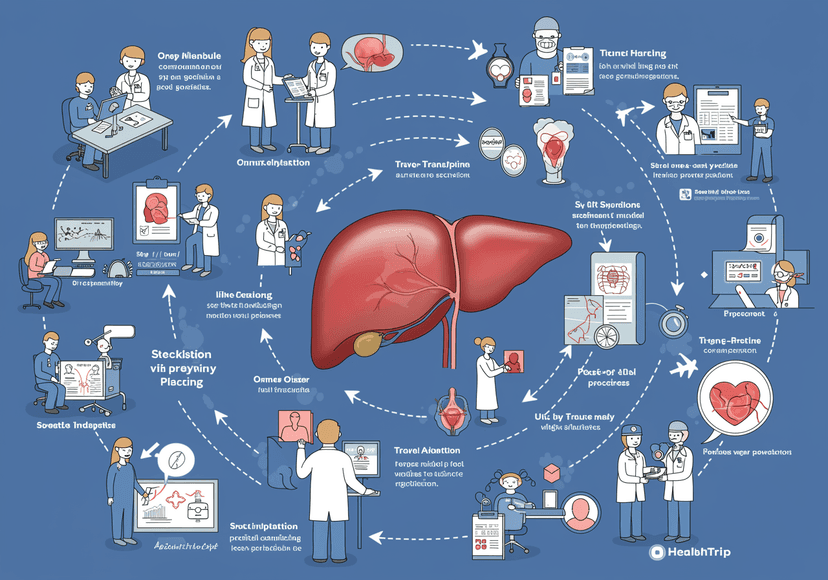
Perjalanan pemindahan hati antarabangsa anda dengan HealthTrip: Rundingan untuk Pemulihan
Memulakan perjalanan pemindahan hati antarabangsa anda dengan HealthTrip. Kita
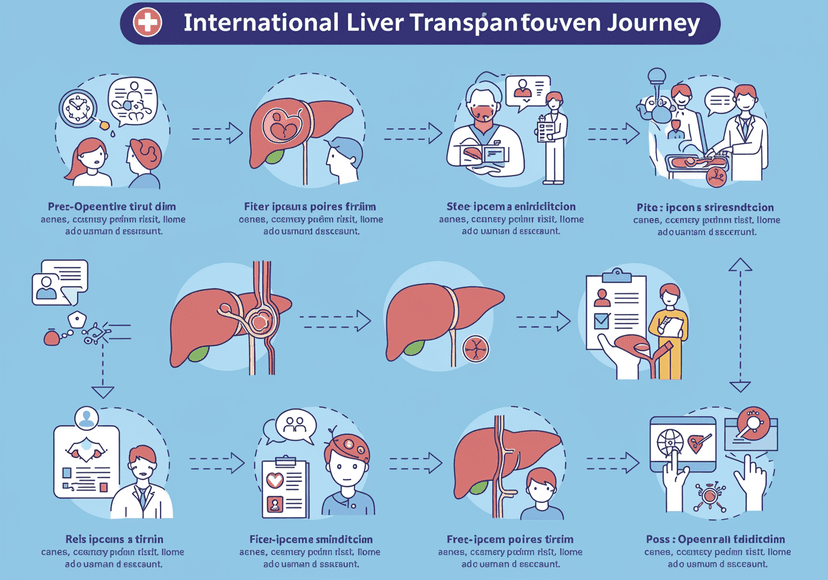
Perjalanan pemindahan hati antarabangsa anda dengan HealthTrip: Rundingan untuk Pemulihan
Memulakan perjalanan pemindahan hati antarabangsa anda dengan HealthTrip. Kita

Memahami Komplikasi Pemindahan
Mengenal pasti dan menguruskan komplikasi yang berpotensi selepas pemindahan.

Menjalani kehidupan yang sihat selepas pemindahan
Petua dan strategi untuk mengekalkan gaya hidup sihat selepas pemindahan.

Menguruskan Penolakan Selepas Pemindahan
Memahami dan menguruskan penolakan dalam penerima pemindahan.
Hidup dengan organ yang dipindahkan
Menguruskan ubat, penjagaan susulan, dan perubahan gaya hidup selepas organ