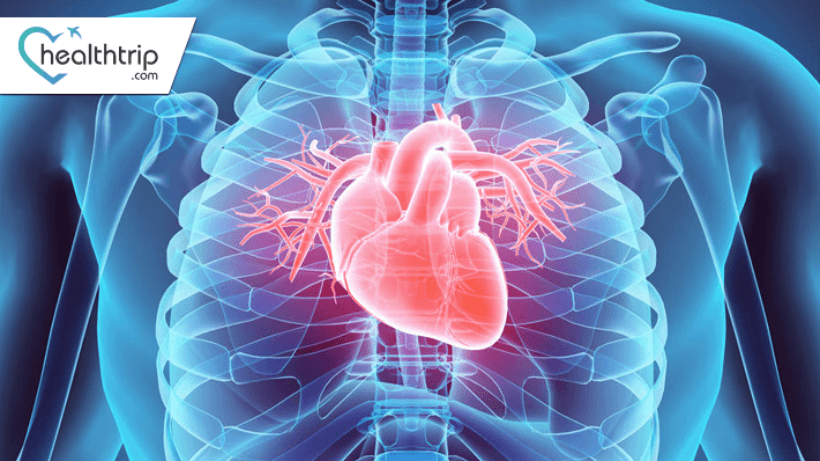
Imbasan PET untuk Penyakit Kardiovaskular: Diagnosis dan Rawatan
11 May, 2023
 Dr. Divya Nagpal
Imbasan PET biasanya digunakan untuk diagnosis dan peringkat kanser, tetapi ia juga merupakan alat penting dalam mendiagnosis dan merawat penyakit kardiovaskular.. Blog ini menyemak penggunaan pengimbasan PET untuk penyakit kardiovaskular, termasuk faedah, risiko dan batasannya.
Apakah penyakit kardiovaskular?
Penyakit kardiovaskular ialah sekumpulan penyakit yang menjejaskan jantung dan saluran darah, termasuk penyakit arteri koronari, kegagalan jantung, dan aritmia.. Keadaan ini boleh menyebabkan pelbagai gejala seperti sakit dada, sesak nafas, dan keletihan, dan boleh menyebabkan komplikasi serius seperti serangan jantung dan strok.
Prosedur paling popular dalam India

Diagnosis penyakit kardiovaskular
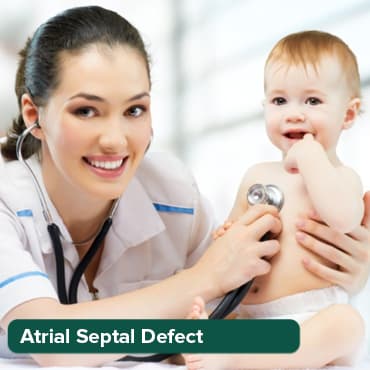
Mendiagnosis penyakit kardiovaskular boleh menjadi sukar kerana banyak simptom tidak spesifik dan boleh disebabkan oleh keadaan perubatan lain. Di samping itu, alat diagnostik tradisional seperti elektrokardiogram (ECG) dan echocardiography tidak selalu memberikan gambaran yang jelas tentang masalah yang mendasari. Di sinilah imbasan PET boleh membantu. Imbasan PET boleh memberikan imej terperinci jantung dan saluran darah, membolehkan doktor mengesan kelainan yang tidak dapat dilihat oleh ujian pengimejan lain. Ia juga boleh digunakan untuk memantau kemajuan rawatan dan menilai keberkesanan intervensi.

Rawatan Kesihatan
Beri diri anda masa untuk berehat
Harga Terendah Dijamin!

Harga Terendah Dijamin!
Bagaimanakah imbasan PET berfungsi untuk penyakit kardiovaskular?
Imbasan PET beliau untuk penyakit kardiovaskular berfungsi sama seperti imbasan PET beliau untuk kanser. Sebilangan kecil bahan radioaktif yang dipanggil radiotracer disuntik ke dalam vena pesakit. Radiotracer bergerak ke hati dan diambil oleh miokardium. Pengimbas haiwan mengesan positron yang dipancarkan dari pengesan radioaktif dan menggunakannya untuk membuat imej tiga dimensi hatinya.
Faedah Imbasan PET dalam Penyakit Kardiovaskular
Salah satu kelebihan utama pengimbasan PET dalam penyakit kardiovaskular adalah keupayaan untuk memberikan imej yang sangat terperinci mengenai jantung dan saluran darah.. Ini membantu masalah tempat doktor bahawa ujian pencitraan lain tidak dapat dilihat. Imbasan PET juga membantu doktor menentukan tahap keterukan keadaan perubatan dan menentukan rawatan terbaik.
Satu lagi kelebihan pengimbasan PET ialah ia tidak invasif dan tidak mendedahkan anda kepada radiasi. Ini menjadikannya alternatif yang lebih selamat untuk ujian pencitraan lain seperti angiografi koronari, yang melibatkan menyuntik agen kontras ke dalam saluran darah dan mendedahkan pesakit ke X-raynya.
709 pesakit dari India pilih pakej ini untuk mereka Pakej Pemindahan Hati

Risiko dan Had Imbasan PET dalam Penyakit Kardiovaskular
Imbasan PET pada umumnya selamat, tetapi ia mempunyai beberapa risiko. Radiotracers yang digunakan dalam imbasan PET memancarkan sedikit radiasi dan boleh meningkatkan risiko kanser di sesetengah pesakit. Walau bagaimanapun, pendedahan radiasi daripada imbasan PET adalah agak rendah, dan faedah pengimbasan secara amnya melebihi risiko.
Satu lagi had imbasan PET untuk penyakit kardiovaskular ialah ia tidak selalu dilindungi oleh insurans. Beberapa pelan insurans mempertimbangkan imbasan haiwan untuk menjadi eksperimen atau penerokaan dan mungkin tidak meliputi kos ujian. Selain itu, imbasan PET untuk penyakit kardiovaskular mungkin mahal dan tidak tersedia di semua wilayah. Pesakit mungkin perlu pergi ke pusat khusus untuk ujian.
Potensi Imbasan PET dalam Penyakit Kardiovaskular
Imbasan PET boleh digunakan untuk mendiagnosis pelbagai penyakit kardiovaskular seperti penyakit arteri koronari, kegagalan jantung, dan aritmia.. Berikut adalah beberapa cara untuk menggunakan imbasan PET untuk keadaan perubatan tertentu.
1. Penyakit arteri koronari
Imbasan PET boleh digunakan untuk menilai aliran darah ke jantung dan mengesan penyumbatan dalam arteri koronari. Ini membantu doktor menentukan kursus rawatan terbaik, termasuk: b. Angioplasti atau pembedahan pintasan.
2. Kegagalan jantung
Imbasan PET boleh digunakan untuk menilai fungsi jantung dan menentukan tahap kerosakan yang disebabkan oleh kegagalan jantung. Ini membantu doktor merancang rawatan untuk meningkatkan fungsi jantung dan mengurangkan gejala.
3. Aritmia
Imbasan PET boleh digunakan untuk mengenal pasti lokasi dan tahap aktiviti elektrik yang tidak normal dalam jantung yang menyebabkan aritmia. Ini membantu doktor menentukan pilihan rawatan terbaik seperti ubat -ubatan, peranti implan dan prosedur ablasi.
4. Tumor jantung
Imbasan PET boleh digunakan untuk mengesan tumor jantung dan menilai sejauh mana ia telah merebak. Ini membantu doktor menentukan kursus rawatan terbaik, seperti pembedahan atau terapi radiasi.
5. Keradangan jantung
Imbasan PET boleh digunakan untuk mengesan keradangan jantung yang disebabkan oleh pelbagai keadaan, termasuk miokarditis dan sarkoidosis. Ini membantu doktor menentukan tahap keradangan dan merancang rawatan untuk melegakan gejala dan mencegah komplikasi. Sebagai tambahan kepada keadaan tertentu, imbasan PET juga boleh digunakan untuk memantau kemajuan rawatan dan menilai keberkesanan campur tangan. Sebagai contoh, imbasan PET boleh digunakan untuk menentukan sama ada pesakit bertindak balas terhadap ubat atau untuk memantau proses penyembuhan selepas pembedahan.
Pakej kesihatan paling popular





Blog Berkaitan

Pecahan kos pembedahan mata dengan HealthTrip
Ketahui mengenai doktor, hospital, prosedur, dan pemulihan untuk pembedahan mata

Cara mempersiapkan pembedahan mata anda di India
Ketahui mengenai doktor, hospital, prosedur, dan pemulihan untuk pembedahan mata

Kesan sampingan dan pengurusan risiko pembedahan mata
Ketahui mengenai doktor, hospital, prosedur, dan pemulihan untuk pembedahan mata
Penjagaan susulan untuk pesakit pembedahan mata dengan bantuan kesihatan
Ketahui mengenai doktor, hospital, prosedur, dan pemulihan untuk pembedahan mata
Infrastruktur Hospital Terbaik untuk Pembedahan Mata
Ketahui mengenai doktor, hospital, prosedur, dan pemulihan untuk pembedahan mata
Apa yang diharapkan semasa perundingan pembedahan mata
Ketahui mengenai doktor, hospital, prosedur, dan pemulihan untuk pembedahan mata