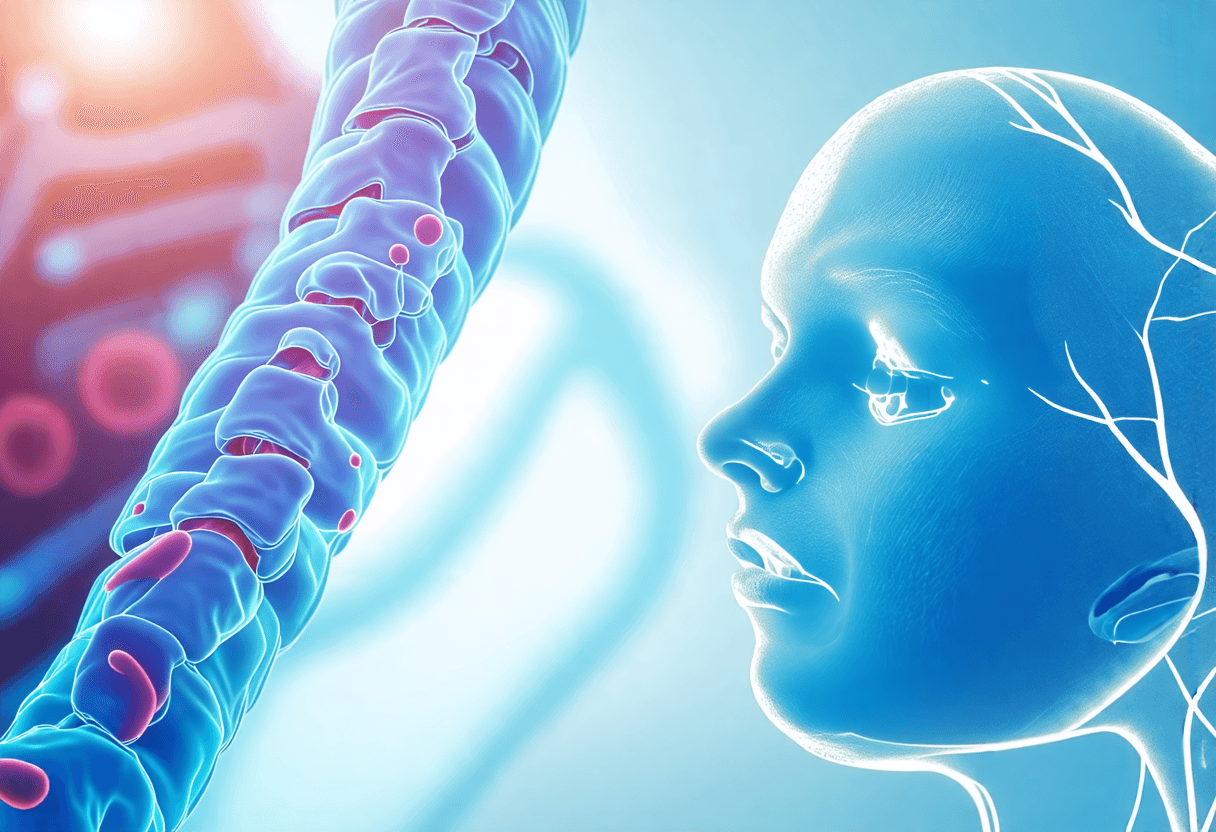
Diagnosis Kanser Esofagus
23 Oct, 2024
 Healthtrip
When it comes to esophageal cancer, timely diagnosis is crucial. The esophagus is a muscular tube that carries food from the throat to the stomach, and cancer in this area can be particularly aggressive. Unfortunately, esophageal cancer often doesn't show symptoms in its early stages, making it challenging to diagnose. However, with advancements in medical technology and awareness about the disease, it's becoming increasingly possible to detect esophageal cancer at an early stage, when it's more treatable. In this blog, we'll delve into the world of esophageal cancer diagnosis, exploring the symptoms, diagnostic tests, and treatment options available.
Understanding Esophageal Cancer Symptoms
One of the primary challenges in diagnosing esophageal cancer is that its symptoms can be subtle and may not appear until the disease has advanced. However, being aware of these symptoms can help you seek medical attention early on. Some common symptoms of esophageal cancer include difficulty swallowing, which can start with solids and gradually progress to liquids; pain or discomfort in the chest or throat while eating; weight loss due to inadequate nutrition; and coughing or choking on food. Other symptoms may include heartburn, hiccups, or a hoarse voice. If you're experiencing any of these symptoms, it's essential to consult a doctor, especially if they persist or worsen over time.
Prosedur paling popular dalam India



The Importance of Early Detection
Early detection is critical in esophageal cancer diagnosis. When caught at an early stage, esophageal cancer is more treatable, and the chances of survival increase significantly. In fact, according to the American Cancer Society, the 5-year survival rate for people with localized esophageal cancer (cancer that has not spread) is about 47%. However, if the cancer has spread to nearby tissues or organs, the 5-year survival rate drops to around 22%. This highlights the importance of being proactive about your health and seeking medical attention if you experience any symptoms.

Rawatan Kesihatan
Beri diri anda masa untuk berehat
Harga Terendah Dijamin!

Harga Terendah Dijamin!
Diagnostic Tests for Esophageal Cancer
Once you've consulted a doctor, they will perform a physical examination and take a thorough medical history to identify any risk factors. If esophageal cancer is suspected, several diagnostic tests may be ordered to confirm the diagnosis. These tests include:
Endoscopy
An endoscopy is a procedure in which a flexible tube with a camera and light on the end is inserted through the mouth or nose to visualize the esophagus. This allows the doctor to examine the esophagus and stomach for any abnormalities. If any suspicious areas are found, a biopsy may be performed to collect tissue samples for further examination.
714 pesakit dari India pilih pakej ini untuk mereka Pakej Pemindahan Hati

Imaging Tests
Imaging tests such as X-rays, computed tomography (CT) scans, magnetic resonance imaging (MRI) scans, and positron emission tomography (PET) scans may be used to visualize the esophagus and surrounding tissues. These tests can help identify the location and extent of the tumor.
Biopsy
A biopsy is a procedure in which a sample of tissue is collected from the esophagus and examined under a microscope for cancer cells. This is usually done during an endoscopy.
Treatment Options for Esophageal Cancer
Treatment for esophageal cancer usually involves a combination of surgery, chemotherapy, and radiation therapy. The type and sequence of treatments depend on the stage and location of the cancer, as well as the patient's overall health.
Surgery
Surgery is often the primary treatment for esophageal cancer. The goal of surgery is to remove the tumor and any affected lymph nodes. There are different types of surgery, including esophagectomy, which involves removing the esophagus, and lymphadenectomy, which involves removing lymph nodes.
Chemotherapy and Radiation Therapy
Chemotherapy and radiation therapy may be used before or after surgery to kill cancer cells. Chemotherapy uses drugs to kill cancer cells, while radiation therapy uses high-energy rays to destroy cancer cells.
Conclusion
Esophageal cancer diagnosis requires a comprehensive approach, involving awareness of symptoms, timely medical attention, and a range of diagnostic tests. Early detection is crucial, and treatment options are available to manage the disease. By being proactive about your health and seeking medical attention if you experience any symptoms, you can increase your chances of survival and improve your quality of life.
Pakej kesihatan paling popular





Blog Berkaitan

HealthTrip: Panduan anda untuk memimpin pusat pemindahan pelbagai organ
Healthtrip
HealthTrip: Pilihan Rawatan Otak Lanjutan dengan pakar bedah pakar
Healthtrip
HealthTrip: Rawatan IVF Global - Perjalanan ke Ibu Bapa
Jalan anda menuju keibuan dengan HealthTrip
HealthTrip: Menavigasi Pilihan & Harga Pemindahan Hati Antarabangsa
Healthtrip
HealthTrip: 10 negara teratas untuk pelancongan perubatan pemindahan hati di 2025
Pelancongan Perubatan HealthTrip
HealthTrip: 15 pakar bedah pemindahan hati untuk pesakit antarabangsa
Healthtrip