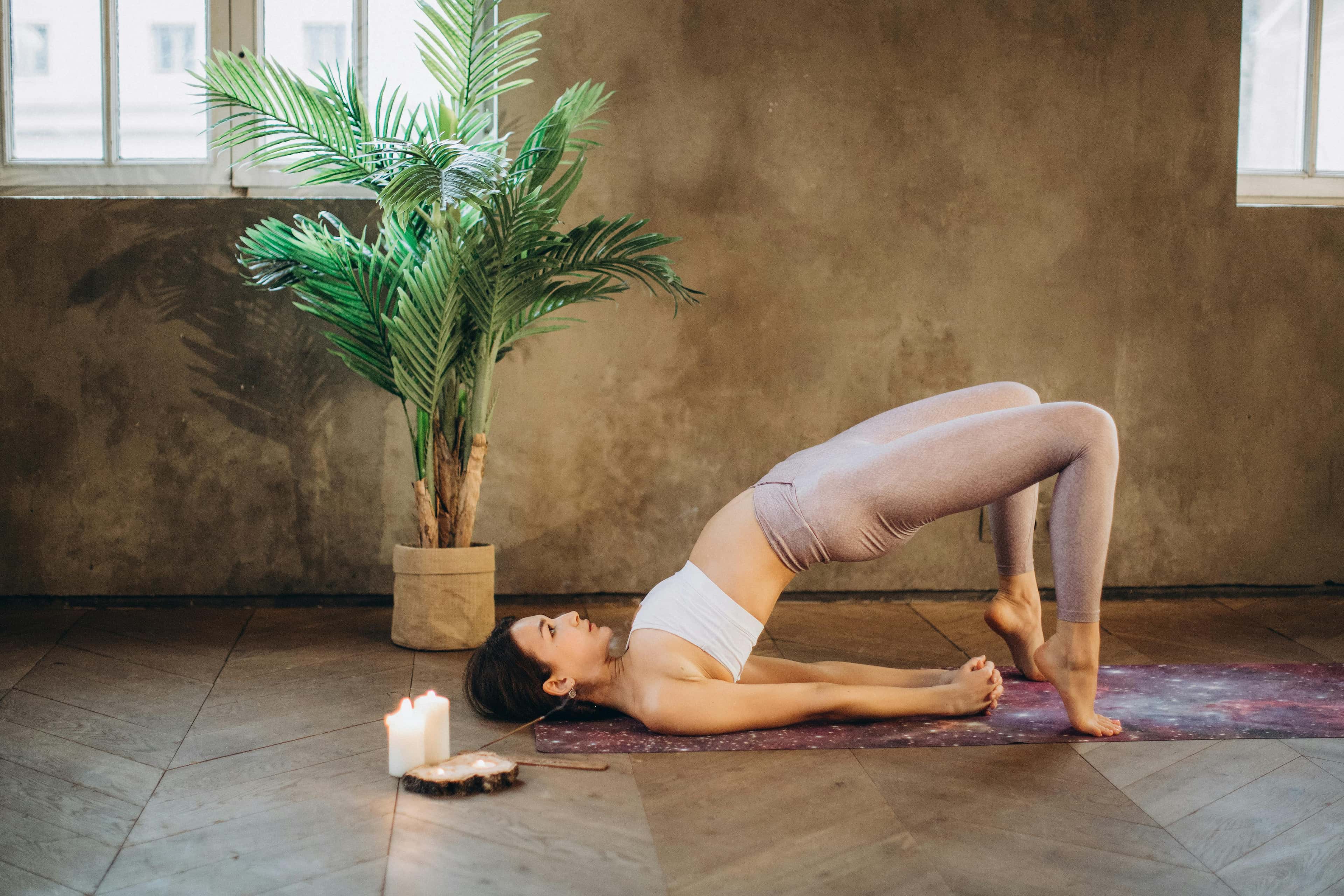
Pose du pont (Setu Bandhasana) - Yoga Backbend et pose de force
30 Aug, 2024
 Voyage santé
The yoga pose, known as Bridge Pose (Setu Bandhasana), is a backbend that strengthens the back, opens the chest, and stretches the neck and spine. It involves lying on your back with your knees bent and feet flat on the floor, then lifting your hips off the ground, pressing through your feet and arms to create an arch in your back. This pose is commonly practiced to strengthen the back, improve posture, and release tension in the chest and shoulders.
Procédures les plus populaires dans Inde


Benefits
- Strengthens the back: Bridge pose engages the muscles of the back, including the erector spinae and glutes, helping to build strength and stability in the spine.
- Opens the chest: The backbend in bridge pose opens the chest, allowing for deeper breaths and releasing tension in the chest and shoulders.
- Stretches the neck and spine: The gentle backbend in bridge pose helps to stretch the muscles of the neck and spine, improving flexibility and range of motion.
- Stimulates the thyroid gland: The backbend in bridge pose can stimulate the thyroid gland, which is responsible for regulating metabolism.
- Improves digestion: Bridge pose can help to stimulate digestion by compressing the abdominal organs.
- Reduces stress and anxiety: The backbend in bridge pose can help to reduce stress and anxiety by releasing tension in the body and calming the mind.
Steps
- Lie on your back with your knees bent and feet flat on the floor, hip-width apart. Your arms should be by your sides, palms facing down.
- Inhale and press your feet into the floor. As you exhale, lift your hips off the ground, engaging your glutes and thighs.
- Continue to press your feet into the floor and engage your back muscles to lift your hips higher.
- Once you reach the peak of the pose, keep your thighs parallel to the floor and your knees aligned with your ankles.
- Hold the pose for 5-10 breaths, keeping your chest open and your shoulders relaxed.
- To release, inhale and slowly lower your hips back to the floor. Relax your arms and legs.

Soins de bien-être
Donnez-vous le temps de vous détendre
Prix les plus bas garantis !

Prix les plus bas garantis !
Precautions
- Avoid this pose if you have any neck or back injuries.
- If you have high blood pressure, keep your head elevated.
- If you have any pain in your knees, keep your knees in line with your ankles.
- If you are pregnant, you can modify the pose by placing a pillow under your hips.
Suitable For
Bridge pose is suitable for most people, but it is particularly beneficial for those with tight hips and hamstrings, as well as those looking to improve their posture and back strength.
When Most Effective
Bridge pose is best practiced in the morning or evening, after a light warm-up. It can be done on its own or as part of a longer yoga sequence.
641 patients de Inde choisir ce forfait pour leur Forfait transplantation hépatique

Tips
If you find it difficult to lift your hips off the ground, you can place a rolled-up blanket or pillow under your hips for support. You can also modify the pose by keeping your feet closer to your hips.
Once you are comfortable in bridge pose, you can explore variations, such as half bridge pose (Ardha Setu Bandhasana) or bridge pose with a twist (Parivrtta Setu Bandhasana).
Forfaits bien-être les plus populaires



Blogs associés
Traitement du cancer en Inde: hôpitaux, médecins et coûts - 2025 Insights
Explorer le traitement du cancer en Inde: hôpitaux, médecins et coûts –
Remplacement du genou en Inde: procédure, coût et récupération - 2025 Insights
Explorer le remplacement du genou en Inde: procédure, coût et récupération –
Chirurgie bariatrique en Inde: coût, procédure et récupération - 2025 Insights
Explorer la chirurgie bariatrique en Inde: coût, procédure et récupération –
Comment HealthTrip aide les patients des pays du Moyen-Orient - 2025 Insights
Explorez comment HealthTrip aide les patients des pays du Moyen-Orient –

Voyager des EAU à l'Inde pour la chirurgie: ce que vous devez savoir - 2025 Insights
Explorez voyager des EAU à l'Inde pour la chirurgie: ce que vous
Comment choisir le bon hôpital en Inde - 2025 Insights
Explorez comment choisir le bon hôpital en Inde –