Memahami Kanser Hati
11 Oct, 2024
 Healthtrip
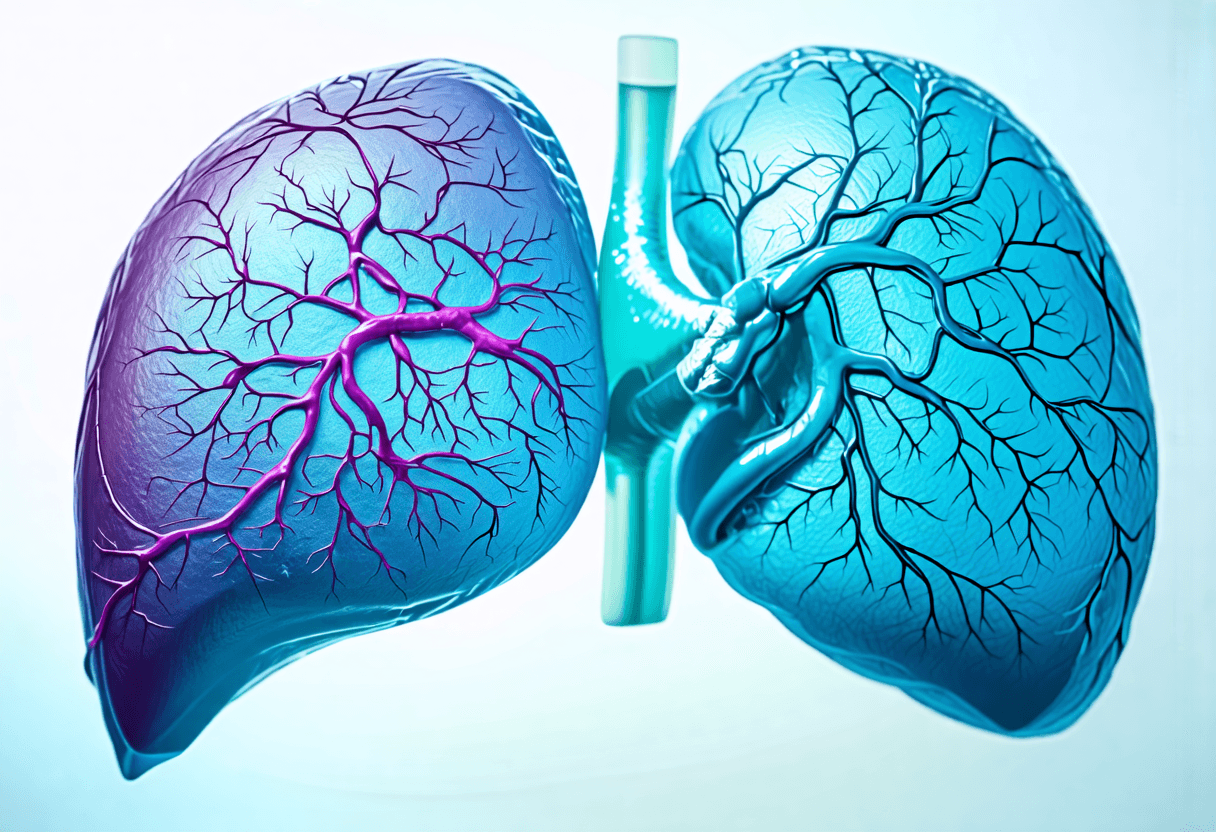
Kanser hati adalah jenis kanser yang berasal dari hati, organ penting yang bertanggungjawab untuk menapis darah, menyimpan tenaga, dan membantu pencernaan. Ini pembunuh senyap, sering didiagnosis pada peringkat lanjut, menjadikannya penting untuk memahami sebab, gejala, dan pilihan rawatannya. Di blog ini, kita akan menyelidiki dunia kanser hati, meneroka kerumitannya, dan memberikan pandangan yang berharga untuk membantu anda menavigasi masalah kesihatan yang mencabar ini.
Apakah barah hati?
Kanser hati, juga dikenali sebagai kanser hepatik, berlaku apabila sel-sel yang tidak normal dalam hati tumbuh dan membiak secara tidak terkawal, membentuk tumor. Tumor ini boleh sama ada benigna (bukan kanser) atau malignan (kanser). Hati adalah organ yang luar biasa, mampu menanam semula dirinya sendiri, tetapi ketika sel -sel kanser mengambil alih, ia dapat menyebabkan akibat buruk. Terdapat beberapa jenis kanser hati, termasuk karsinoma hepatoselular (HCC), cholangiocarcinoma, dan angiosarcoma, masing-masing dengan ciri dan pendekatan rawatan yang unik.
Prosedur paling popular dalam India



Faktor Risiko dan Punca
Memahami faktor risiko dan punca kanser hati adalah penting dalam mencegah dan menguruskan penyakit ini. Beberapa faktor risiko yang paling biasa termasuk hepatitis B dan C, sirosis, penyakit hati berlemak, dan pendedahan kepada toksin seperti aflatoksin. Selain itu, sejarah keluarga yang menghidap kanser hati, obesiti dan diabetes juga boleh meningkatkan risiko mendapat kanser hati. Dengan menyedari faktor risiko ini, individu boleh mengambil langkah proaktif untuk mengurangkan kemungkinan mereka mendapat kanser hati.
Adalah penting untuk mengenali gejala kanser hati, kerana mereka boleh menjadi halus dan sering menyerupai keadaan lain. Beberapa gejala biasa termasuk keletihan, penurunan berat badan, sakit perut, dan penyakit kuning. Jika anda mengalami mana-mana gejala ini, adalah penting untuk berunding dengan pembekal penjagaan kesihatan anda untuk menolak kanser hati atau keadaan asas lain.

Rawatan Kesihatan
Beri diri anda masa untuk berehat
Harga Terendah Dijamin!

Harga Terendah Dijamin!
Diagnosis dan Peringkat
Mendiagnosis kanser hati biasanya melibatkan gabungan ujian pengimejan, seperti imbasan CT, imbasan MRI dan ultrasound, serta ujian darah untuk mengesan penanda tumor. Biopsi juga boleh dilakukan untuk mengesahkan diagnosis. Sebaik sahaja didiagnosis, kanser itu berperingkat berdasarkan saiz, lokasi, dan merebak ke bahagian lain badan. Proses pementasan membantu menentukan kursus rawatan dan prognosis yang terbaik.
Pilihan Rawatan
Rawatan kanser hati bergantung pada peringkat dan jenis kanser, serta kesihatan keseluruhan individu. Pembedahan, kemoterapi, terapi sinaran dan terapi sasaran adalah beberapa pilihan rawatan biasa. Dalam sesetengah kes, pemindahan hati mungkin diperlukan. Adalah penting untuk bekerjasama rapat dengan pasukan penjagaan kesihatan untuk membangunkan pelan rawatan yang diperibadikan yang menangani keperluan dan keadaan unik setiap individu.
Sebagai tambahan kepada rawatan konvensional, terdapat beberapa terapi alternatif dan pelengkap yang dapat membantu mengurangkan gejala dan meningkatkan kualiti hidup. Ini termasuk akupunktur, meditasi dan yoga, yang boleh membantu mengurangkan tekanan dan kebimbangan, serta terapi pemakanan, seperti diet berasaskan tumbuhan, yang boleh membantu dalam fungsi hati dan kesihatan keseluruhan.
Hidup dengan barah hati
Menerima diagnosis kanser hati boleh menjadi sangat menggembirakan, tetapi penting untuk diingat bahawa ada harapan. Dengan memahami penyakit ini, mencari sokongan daripada orang tersayang dan profesional penjagaan kesihatan, dan mengamalkan gaya hidup yang sihat, individu dapat meningkatkan peluang mereka untuk bertahan hidup dan kualiti hidup. Adalah penting untuk kekal dimaklumkan, bertanya soalan dan menyokong diri sendiri sepanjang perjalanan rawatan.
681 pesakit dari India pilih pakej ini untuk mereka Pakej Pemindahan Hati

Kesimpulannya, kanser hati adalah penyakit kompleks dan pelbagai rupa yang memerlukan pemahaman menyeluruh tentang punca, gejala, diagnosis dan pilihan rawatannya. Dengan memperkasakan diri kita dengan pengetahuan dan sokongan, kita boleh mengemudi isu kesihatan yang mencabar ini dan meningkatkan hasil untuk individu yang terjejas oleh kanser hati.
Pakej kesihatan paling popular





Blog Berkaitan

Diagnosis Kanser Mulut: Apa yang Dijangkakan
Dapatkan maklumat mengenai proses diagnosis untuk barah mulut

Diagnosis Kanser Serviks: Apa yang Dijangkakan
Dapatkan maklumat mengenai proses diagnosis untuk kanser serviks dan
Kemoterapi untuk Kanser Hati
Memahami kemoterapi untuk rawatan kanser hati

Rawatan Pisau Siber untuk Kanser Hati
Ketahui bagaimana cyberknife digunakan untuk merawat kanser hati dengan
Diagnosis Kanser Perut: Gejala, Ujian dan Peringkat
Ketahui mengenai gejala, ujian, dan peringkat kanser perut
Pemindahan Hati untuk Kanak-kanak dengan Kanser Hati dan Hepatitis
HealthTrip menawarkan pemindahan hati untuk kanak -kanak dengan kanser hati dan