Packages starting from
$8000
Need help in choosing the right package for your medical trip?
Your Health data is protected with us
Transforming Lives with Microsurgical decompression and Fixation of Spine
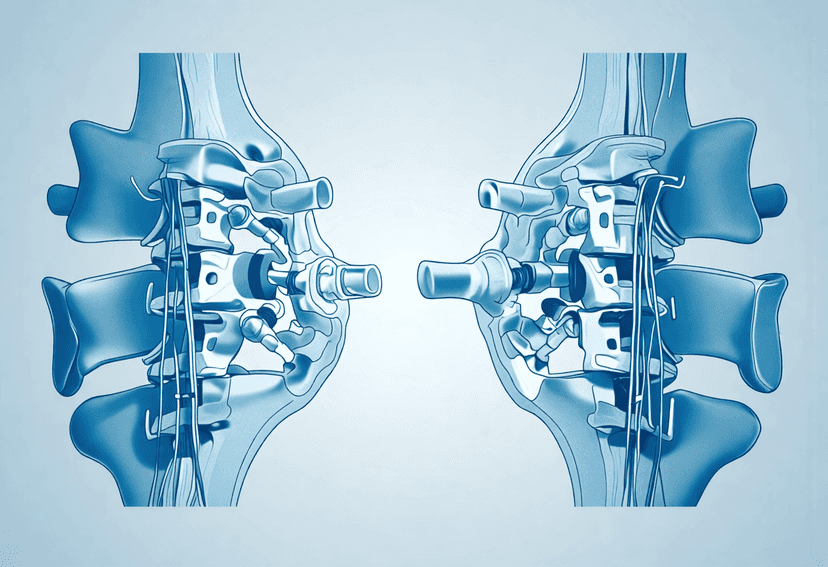
Microsurgical decompression and fixation of the spine is a precision-driven surgical approach used to relieve pressure on spinal nerves and stabilize the spine, particularly in patients with conditions like spinal stenosis, herniated discs, or degenerative disc disease that cause nerve compression and spinal instability.
Procedure Overview:
- Microsurgical Decompression: This technique involves the use of specialized microsurgical tools and an operating microscope or other advanced imaging technology to enhance visibility during surgery. The surgeon carefully removes small amounts of bone, herniated disc material, or overgrown ligaments that are compressing the nerves. The goal is to alleviate pain and restore function while minimizing disruption to surrounding tissues.
- Spinal Fixation: Following decompression, spinal fixation is often necessary to maintain the spine's stability and alignment. This part of the surgery involves the insertion of hardware such as screws and rods. These implants help to hold the vertebrae in the correct position and prevent further movement that could lead to additional nerve compression.
Benefits:
- Precision and Minimally Invasive: Microsurgical techniques allow for precise targeting of the affected areas with minimal incisions, resulting in less tissue damage, reduced pain, and faster recovery times.
- Enhanced Stability: Fixation provides immediate spinal stability, facilitating the natural healing process and preventing further degenerative changes.
Recovery:
- Patients typically experience a faster recovery due to the minimally invasive nature of the surgery. Recovery involves physical therapy to strengthen the back and improve mobility, with most patients gradually resuming normal activities.
- The length of recovery can vary depending on the complexity of the surgery and the patient’s overall health but generally involves several weeks of rehabilitation.
Outcomes:
- Microsurgical decompression and fixation are highly effective for reducing symptoms such as pain, numbness, and weakness. It also helps in maintaining spinal alignment and preventing future spinal issues.
- Long-term outcomes are generally positive, with patients experiencing significant improvements in mobility and quality of life.
This combined surgical approach is tailored to address both the immediate symptoms and underlying causes of spinal nerve compression and instability, offering a comprehensive solution for patients suffering from debilitating spinal conditions.
5.0
90% Rated Value for Money
Why Choose us?

95%
Success Rate

0
Microsurgical decompression and Fixation of Spine Surgeons

0
Microsurgical decompression and Fixation of Spine

0
Hospitals Around the world

0
Lives touched
Overview
Microsurgical decompression and fixation of the spine is a precision-driven surgical approach used to relieve pressure on spinal nerves and stabilize the spine, particularly in patients with conditions like spinal stenosis, herniated discs, or degenerative disc disease that cause nerve compression and spinal instability.
Procedure Overview:
- Microsurgical Decompression: This technique involves the use of specialized microsurgical tools and an operating microscope or other advanced imaging technology to enhance visibility during surgery. The surgeon carefully removes small amounts of bone, herniated disc material, or overgrown ligaments that are compressing the nerves. The goal is to alleviate pain and restore function while minimizing disruption to surrounding tissues.
- Spinal Fixation: Following decompression, spinal fixation is often necessary to maintain the spine's stability and alignment. This part of the surgery involves the insertion of hardware such as screws and rods. These implants help to hold the vertebrae in the correct position and prevent further movement that could lead to additional nerve compression.
Benefits:
- Precision and Minimally Invasive: Microsurgical techniques allow for precise targeting of the affected areas with minimal incisions, resulting in less tissue damage, reduced pain, and faster recovery times.
- Enhanced Stability: Fixation provides immediate spinal stability, facilitating the natural healing process and preventing further degenerative changes.
Recovery:
- Patients typically experience a faster recovery due to the minimally invasive nature of the surgery. Recovery involves physical therapy to strengthen the back and improve mobility, with most patients gradually resuming normal activities.
- The length of recovery can vary depending on the complexity of the surgery and the patient’s overall health but generally involves several weeks of rehabilitation.
Outcomes:
- Microsurgical decompression and fixation are highly effective for reducing symptoms such as pain, numbness, and weakness. It also helps in maintaining spinal alignment and preventing future spinal issues.
- Long-term outcomes are generally positive, with patients experiencing significant improvements in mobility and quality of life.
This combined surgical approach is tailored to address both the immediate symptoms and underlying causes of spinal nerve compression and instability, offering a comprehensive solution for patients suffering from debilitating spinal conditions.