Packages starting from
Need help in choosing the right package for your medical trip?
Your Health data is protected with us
Book Free Consultation
Please fill in your details, Our experts will get in touch with you
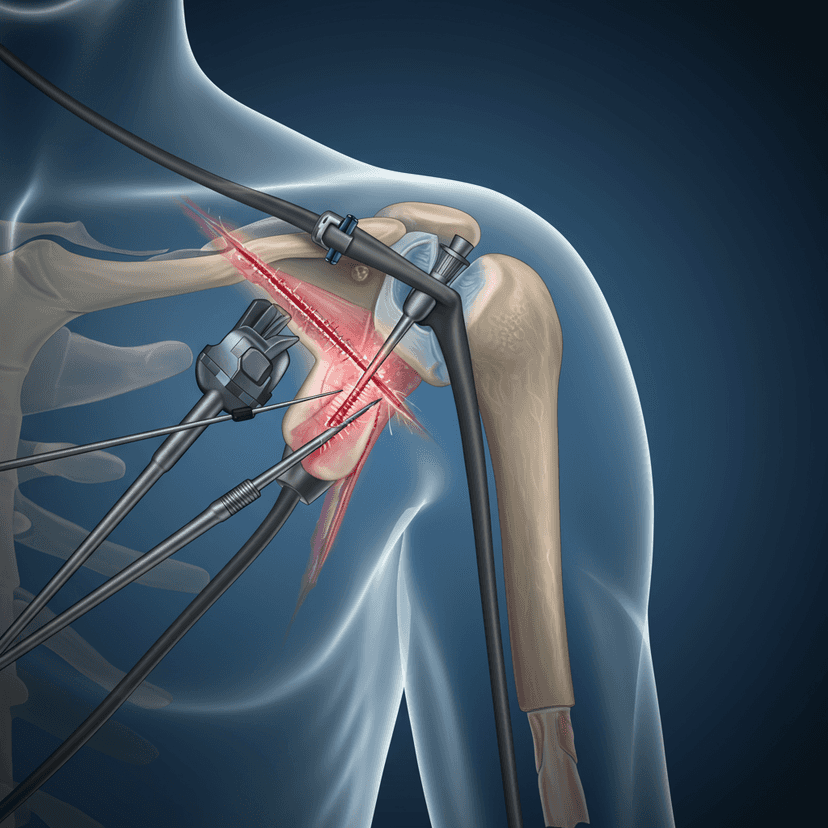
Transforming Lives with Shoulder Arthroscopy (Single)
Shoulder arthroscopy is a minimally invasive surgical procedure used to diagnose and treat problems inside the shoulder joint. It involves inserting a small camera, called an arthroscope, into the shoulder joint through a small incision. This allows the surgeon to view the inside of the joint on a video screen and guide miniature surgical instruments to repair damage such as torn rotator cuffs, labral tears, and bone spurs. The procedure typically results in less pain and a quicker recovery compared to traditional open surgery.
5.0
90% Rated Value for Money
Benefits Of Shoulder Arthroscopy (Single)
- Minimally Invasive: Smaller incisions lead to less tissue damage and faster recovery.
- Accurate Diagnosis: Direct visualization of the shoulder joint allows for precise diagnosis and treatment.
- Reduced Pain: Less postoperative pain compared to open surgery.
- Faster Recovery: Shorter recovery time and quicker return to normal activities.
- Improved Shoulder Function: Alleviates symptoms and restores shoulder function.
Why Choose us?

99%
Success Rate

0
Shoulder Arthroscopy (Single) Surgeons

0
Shoulder Arthroscopy (Single)

0
Hospitals Around the world

0
Lives touched
Overview
Shoulder arthroscopy is a minimally invasive surgical procedure used to diagnose and treat problems inside the shoulder joint. It involves inserting a small camera, called an arthroscope, into the shoulder joint through a small incision. This allows the surgeon to view the inside of the joint on a video screen and guide miniature surgical instruments to repair damage such as torn rotator cuffs, labral tears, and bone spurs. The procedure typically results in less pain and a quicker recovery compared to traditional open surgery.
Symptoms
- Persistent shoulder pain, especially at night
- Limited range of motion
- Shoulder instability or dislocations
- Pain with lifting or overhead activities
- Weakness in the shoulder
- Swelling or tenderness in the shoulder
Causes
- Rotator cuff tears
- Shoulder impingement syndrome
- Labral tears (SLAP lesions)
- Frozen shoulder (adhesive capsulitis)
- Bone spurs or arthritis
- Loose bodies or cartilage fragments
The typical steps involved in Shoulder Arthroscopy (Single)
- Preoperative Assessment: Physical examination, MRI or ultrasound imaging, and discussions about the procedure.
- Anesthesia: General or regional anesthesia is administered to ensure the patient is comfortable and pain-free during surgery.
- Arthroscope Insertion: Small incisions are made, and the arthroscope is inserted into the shoulder joint.
- Repair and Treatment: The surgeon performs necessary repairs such as fixing torn tendons, removing bone spurs, or repairing damaged cartilage using specialized instruments.
- Postoperative Care: Includes pain management, wound care, and a structured physical therapy program to restore shoulder strength and mobility.
















FAQs
It can treat rotator cuff tears, labral tears, impingement syndrome, and frozen shoulder.