Пакеты начиная с
Нужна помощь в выборе правильного пакета для вашей медицинской поездки?
Ваши медицинские данные защищены нами
Преобразование жизней с Поверхностная паротидэктомия
Introduction
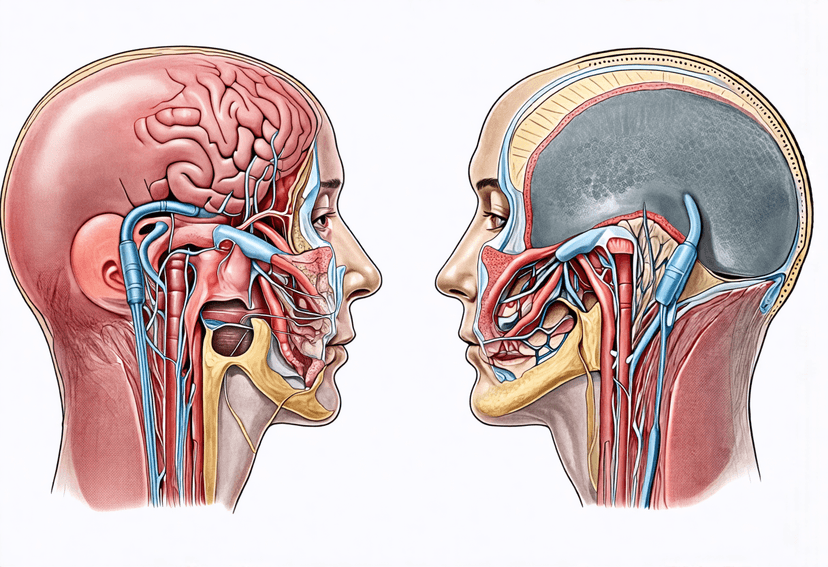
Superficial Parotidectomy is a surgical procedure performed to remove the superficial lobe of the parotid gland, which is the largest salivary gland located on both sides of the face, just in front of the ears. This specialized surgery is often used to address various conditions affecting the parotid gland, including tumors, cysts, and chronic inflammation. In this blog, we will delve into the details of Superficial Parotidectomy, its indications, the procedure itself, and what patients can expect during the recovery phase.
Indications for Superficial Parotidectomy
The most common reasons for performing a Superficial Parotidectomy include:
- Parotid Tumors: Superficial Parotidectomy is frequently employed for the removal of both benign and malignant tumors within the parotid gland. These tumors can be painful, disfiguring, and may interfere with facial nerve function, necessitating surgical intervention.
- Recurrent Salivary Gland Infections: Patients with recurrent infections or chronic inflammation of the parotid gland might require a superficial parotidectomy to alleviate the symptoms and prevent further complications.
- Enlarged Salivary Gland (Parotid Hypertrophy): Sometimes, the parotid gland can become enlarged, causing discomfort and cosmetic concerns. A superficial parotidectomy can be performed to reduce its size and restore normal function.
The Surgical Procedure
Before undergoing a Superficial Parotidectomy, patients are typically administered general anesthesia to ensure they remain unconscious and pain-free throughout the surgery. The procedure is delicately performed by a skilled surgeon, often in collaboration with a team of experts, considering the gland's proximity to important structures like the facial nerve.
- Incision: The surgeon makes a small, carefully planned incision in front of or just below the ear, along the natural skin creases to minimize scarring. This ensures that the scar remains inconspicuous.
- Exposing the Parotid Gland: Once the incision is made, the surgeon gently separates the skin and underlying tissues to access the parotid gland.
- Identifying the Facial Nerve: One of the most critical aspects of the procedure is identifying and preserving the facial nerve, which runs through the parotid gland. Specialized techniques are employed to safeguard the nerve and prevent any damage.
- Removal of Superficial Lobe: The superficial lobe of the parotid gland is then carefully excised while taking great care not to damage surrounding structures. This requires precision and skill on the part of the surgeon.
- Closure: After the superficial lobe has been successfully removed, the surgeon sutures the incision with dissolvable stitches or sutures that will need to be removed after a few days.
Recovery and Postoperative Care
Following the surgery, patients are usually kept under observation for a brief period to monitor their vital signs and ensure there are no immediate complications. The recovery phase may vary from person to person, but some general guidelines can be expected:
- Pain Management: Pain and discomfort are common in the initial days following the surgery, but prescribed pain medications help manage this effectively.
- Swelling and Bruising: Some degree of swelling and bruising around the surgical site is typical and should subside gradually over a few weeks.
- Eating and Drinking: Patients may experience temporary difficulty in chewing and swallowing, but this usually improves over time. It is recommended to consume soft foods and stay well-hydrated during the recovery period.
- Facial Nerve Function: Numbness or weakness in the face might occur temporarily due to manipulation of the facial nerve during surgery. However, for the majority of patients, this typically resolves as the nerve heals.
- Follow-up Appointments: Regular follow-up appointments with the surgeon are essential to monitor the healing process and address any concerns.
Conclusion
Superficial Parotidectomy is a specialized surgical procedure that plays a crucial role in addressing various conditions affecting the parotid gland. It requires the expertise of a skilled surgical team to ensure the preservation of the facial nerve and successful removal of the affected tissue. Although recovery may take some time, the vast majority of patients experience improved facial function and relief from their initial symptoms. If you believe you might benefit from a Superficial Parotidectomy, it is crucial to consult with a qualified healthcare professional to determine the best course of action for your specific condition.
4.0
90% Оцененный Соотношение цены и качества
Почему выбрать нас?

98%
Успешность

5+
Поверхностная паротидэктомия Хирурги

0
Поверхностная паротидэктомия

6+
Больницы по всему миру

0
Жизни, которых коснулись
Обзор
Introduction
Superficial Parotidectomy is a surgical procedure performed to remove the superficial lobe of the parotid gland, which is the largest salivary gland located on both sides of the face, just in front of the ears. This specialized surgery is often used to address various conditions affecting the parotid gland, including tumors, cysts, and chronic inflammation. In this blog, we will delve into the details of Superficial Parotidectomy, its indications, the procedure itself, and what patients can expect during the recovery phase.
Indications for Superficial Parotidectomy
The most common reasons for performing a Superficial Parotidectomy include:
- Parotid Tumors: Superficial Parotidectomy is frequently employed for the removal of both benign and malignant tumors within the parotid gland. These tumors can be painful, disfiguring, and may interfere with facial nerve function, necessitating surgical intervention.
- Recurrent Salivary Gland Infections: Patients with recurrent infections or chronic inflammation of the parotid gland might require a superficial parotidectomy to alleviate the symptoms and prevent further complications.
- Enlarged Salivary Gland (Parotid Hypertrophy): Sometimes, the parotid gland can become enlarged, causing discomfort and cosmetic concerns. A superficial parotidectomy can be performed to reduce its size and restore normal function.
The Surgical Procedure
Before undergoing a Superficial Parotidectomy, patients are typically administered general anesthesia to ensure they remain unconscious and pain-free throughout the surgery. The procedure is delicately performed by a skilled surgeon, often in collaboration with a team of experts, considering the gland's proximity to important structures like the facial nerve.
- Incision: The surgeon makes a small, carefully planned incision in front of or just below the ear, along the natural skin creases to minimize scarring. This ensures that the scar remains inconspicuous.
- Exposing the Parotid Gland: Once the incision is made, the surgeon gently separates the skin and underlying tissues to access the parotid gland.
- Identifying the Facial Nerve: One of the most critical aspects of the procedure is identifying and preserving the facial nerve, which runs through the parotid gland. Specialized techniques are employed to safeguard the nerve and prevent any damage.
- Removal of Superficial Lobe: The superficial lobe of the parotid gland is then carefully excised while taking great care not to damage surrounding structures. This requires precision and skill on the part of the surgeon.
- Closure: After the superficial lobe has been successfully removed, the surgeon sutures the incision with dissolvable stitches or sutures that will need to be removed after a few days.
Recovery and Postoperative Care
Following the surgery, patients are usually kept under observation for a brief period to monitor their vital signs and ensure there are no immediate complications. The recovery phase may vary from person to person, but some general guidelines can be expected:
- Pain Management: Pain and discomfort are common in the initial days following the surgery, but prescribed pain medications help manage this effectively.
- Swelling and Bruising: Some degree of swelling and bruising around the surgical site is typical and should subside gradually over a few weeks.
- Eating and Drinking: Patients may experience temporary difficulty in chewing and swallowing, but this usually improves over time. It is recommended to consume soft foods and stay well-hydrated during the recovery period.
- Facial Nerve Function: Numbness or weakness in the face might occur temporarily due to manipulation of the facial nerve during surgery. However, for the majority of patients, this typically resolves as the nerve heals.
- Follow-up Appointments: Regular follow-up appointments with the surgeon are essential to monitor the healing process and address any concerns.
Conclusion
Superficial Parotidectomy is a specialized surgical procedure that plays a crucial role in addressing various conditions affecting the parotid gland. It requires the expertise of a skilled surgical team to ensure the preservation of the facial nerve and successful removal of the affected tissue. Although recovery may take some time, the vast majority of patients experience improved facial function and relief from their initial symptoms. If you believe you might benefit from a Superficial Parotidectomy, it is crucial to consult with a qualified healthcare professional to determine the best course of action for your specific condition.