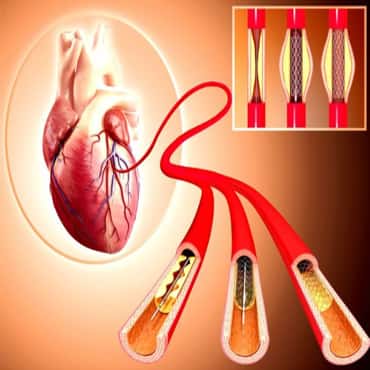
ЧТКА С ОДНИМ СТЕНТОМ
PTCA, или чрескожная трансминальная коронарная ангиопластика, представляет собой минимально инвазивную процедуру, которая открывает заблокированные коронарные артерии для улучшения кровотока в сердечную мышцу.
Во -первых, местная анестезия ошеломляет область паха. Затем врач вводит иглу в бедренную артерию, артерию, идущую по ноге. Доктор вводит направляющий проволоку через иглу, удаляет иглу и заменяет ее на вводчик, инструмент с двумя портами для вставки гибких устройств. Затем оригинальный направляющий провод заменяется более тонким проводом. Доктор проходит длинную узкую трубку, называемую диагностическим катетером над новой проволокой, через вводчик и в артерию. Как только он будет, доктор направляет его в аорту и удаляет направляющий провод.
С катетером на открытии коронарной артерии Доктор вводит краситель и берет рентген.
Если он показывает лечащуюся блокировку, доктор поддерживает катетер и заменяет его руководящим катетером, прежде чем снять проволоку.
Еще более тонкий провод вставлен и направляется через блокировку. Затем катетер воздушного шара направляется на место закупорки. Баллон накачивается на несколько секунд, чтобы сжать блокировку к стене артерии. Тогда это сдувается. Доктор может надуть воздушный шар еще несколько раз, каждый раз заполняя его немного больше, чтобы расширить проход.
О пакете
PTCA, или чрескожная трансминальная коронарная ангиопластика, представляет собой минимально инвазивную процедуру, которая открывает заблокированные коронарные артерии для улучшения кровотока в сердечную мышцу.
Во -первых, местная анестезия ошеломляет область паха. Затем врач вводит иглу в бедренную артерию, артерию, идущую по ноге. Доктор вводит направляющий проволоку через иглу, удаляет иглу и заменяет ее на вводчик, инструмент с двумя портами для вставки гибких устройств. Затем оригинальный направляющий провод заменяется более тонким проводом. Доктор проходит длинную узкую трубку, называемую диагностическим катетером над новой проволокой, через вводчик и в артерию. Как только он будет, доктор направляет его в аорту и удаляет направляющий провод.
С катетером на открытии коронарной артерии Доктор вводит краситель и берет рентген.
Если он показывает лечащуюся блокировку, доктор поддерживает катетер и заменяет его руководящим катетером, прежде чем снять проволоку.
Еще более тонкий провод вставлен и направляется через блокировку. Затем катетер воздушного шара направляется на место закупорки. Баллон накачивается на несколько секунд, чтобы сжать блокировку к стене артерии. Тогда это сдувается. Доктор может надуть воздушный шар еще несколько раз, каждый раз заполняя его немного больше, чтобы расширить проход.
Больница

Врач

Консультирует в:

Отзывы
Включения и исключения
Включения
1.Аренда комнаты
2.Стоимость операции
3.Консультация основной команды в пакете,
Исключения
1.Превышение срока пребывания более чем на пакетные дни
2. Любые другие специализированные консультации
3. Специальное оборудование
4. Дополнительная процедура/хирургия.
5. проживание более 2-х дней
Проживание

Отель Bombay Internationl
Близлежащая больница Вокхардта Комплекс Кеди Нагпада Джанкшен Махараштра-400008
Удобный процесс заезда/выезда, гибкая политика и дружелюбное руководство обеспечивают высокую степень удовлетворенности клиентов этим объектом размещения. Стандартное время заезда в отеле — 12:00, время выезда .За дополнительную плату для любого ребенка/дополнительного гостя, включенного в бронирование, будет предоставлена дополнительная кровать. (При условии доступности)
маршрут
День 1
Комната проживает с базовым Itenry
О лечении
Чрескожная транслюминальная коронарная ангиопластика (ЧТКА), также известная как баллонная ангиопластика, представляет собой минимально инвазивную процедуру, используемую для открытия заблокированных или суженных коронарных артерий. Эта процедура включает в себя введение катетера с небольшим баллоном на конце в суженную артерию. Оказавшись на месте, воздушный шар накачивается, чтобы расширить артерию, улучшая приток крови к сердцу. Часто для сохранения артерии открытой устанавливают стент (небольшую трубку из проволочной сетки. PTCA обычно используется для лечения ишемической болезни артерий и предотвращения сердечных приступов.