Hba1c
HbA1c (also written as A1c or Glycated Hemoglobin) is a blood test that shows your average blood sugar (glucose) levels over the past 2 to 3 months.
What is HbA1c?
-
Hemoglobin is a protein in red blood cells that carries oxygen.
-
When glucose (sugar) stays in your blood, it attaches to hemoglobin.
-
The HbA1c test measures the percentage of hemoglobin that's coated with sugar (glycated).
The higher your blood sugar, the higher your HbA1c level.
HbA1c Levels & What They Mean:
| HbA1c (%) | Interpretation |
|---|---|
| Below 5.7% | Normal |
| 5.7% – 6.4% | Prediabetes (at risk) |
| 6.5% or higher | Diabetes |
| >7.0% | Poor diabetes control (if diabetic) |
Why Is HbA1c Important?
-
Diagnoses diabetes or prediabetes
-
Monitors how well your diabetes is controlled
-
Doesn’t require fasting
-
Reflects long-term glucose levels, not just one day's reading
How It’s Done:
-
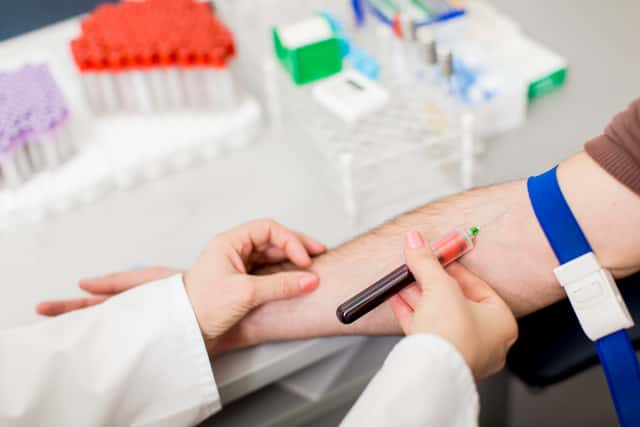
Simple blood draw from a vein (or finger prick in some clinics)
-
No fasting needed
-
Results usually available within a few hours or a day
Limitations of HbA1c:
-
May be inaccurate in people with anemia, blood disorders, or recent blood loss
-
Doesn’t reflect short-term spikes or drops in blood sugar
О пакете
HbA1c (also written as A1c or Glycated Hemoglobin) is a blood test that shows your average blood sugar (glucose) levels over the past 2 to 3 months.
What is HbA1c?
-
Hemoglobin is a protein in red blood cells that carries oxygen.
-
When glucose (sugar) stays in your blood, it attaches to hemoglobin.
-
The HbA1c test measures the percentage of hemoglobin that's coated with sugar (glycated).
The higher your blood sugar, the higher your HbA1c level.
HbA1c Levels & What They Mean:
| HbA1c (%) | Interpretation |
|---|---|
| Below 5.7% | Normal |
| 5.7% – 6.4% | Prediabetes (at risk) |
| 6.5% or higher | Diabetes |
| >7.0% | Poor diabetes control (if diabetic) |
Why Is HbA1c Important?
-
Diagnoses diabetes or prediabetes
-
Monitors how well your diabetes is controlled
-
Doesn’t require fasting
-
Reflects long-term glucose levels, not just one day's reading
How It’s Done:
-
Simple blood draw from a vein (or finger prick in some clinics)
-
No fasting needed
-
Results usually available within a few hours or a day
Limitations of HbA1c:
-
May be inaccurate in people with anemia, blood disorders, or recent blood loss
-
Doesn’t reflect short-term spikes or drops in blood sugar

Отзывы
Включения и исключения
Включения
HbA1c Measurement
Percentage of glycated hemoglobin in your blood
-
Indicates long-term blood sugar control
-
Blood Sample Collection
Via vein (venipuncture) or finger prick
-
Collected by a trained lab technician
-
Lab Analysis
Sample is processed using certified equipment
-
Results usually ready in a few hours to 1 day
-
Lab Report
A clear report with:
HbA1c percentage
-
Reference range
-
Interpretation (e.g. normal, prediabetes, diabetic)
-
Sometimes includes estimated average glucose (eAG) level in mg/dL
Исключения
- . Current Blood Sugar Levels
Doesn’t show real-time or daily glucose levels
-
Excludes Fasting Blood Sugar (FBS) or Postprandial (after meal) Sugar (PPBS)
- 2. Insulin Levels
Does not test for:
Insulin resistance
-
Insulin production or function
- 3. Blood Profile & Nutrient Levels
No info on:
Cholesterol or lipid profile
-
Kidney function
-
Liver function
-
Vitamin or mineral levels (like B12 or Vitamin D)
- 4. Complications of Diabetes
Does not assess:
Kidney damage (no microalbumin)
-
Eye issues (no retina exam)
-
Nerve damage (no neuropathy screening)
- 5. Diagnosis of Other Conditions
It’s specific to blood sugar tracking only
-
Does not diagnose infections, thyroid issues, anemia, etc.
- 6. Doctor Consultation
Most basic tests do not include a consultation with a doctor unless it's part of a health package
- 7. Lifestyle Guidance
No diet counseling, fitness planning, or medication review
О лечении
A Health Check-Up is a preventive medical examination designed to assess your overall health status and detect early signs of diseases or risk factors. These check-ups typically include a series of physical examinations, laboratory tests, and diagnostic screenings tailored to age, gender, medical history, and lifestyle.
Routine health check-ups are essential for early detection of conditions such as diabetes, heart disease, hypertension, and cancer. They help doctors monitor critical indicators like blood pressure, cholesterol levels, organ function, and more. Depending on the package or provider, a health check-up can range from basic blood tests to advanced imaging like CT scans or full-body MRIs.