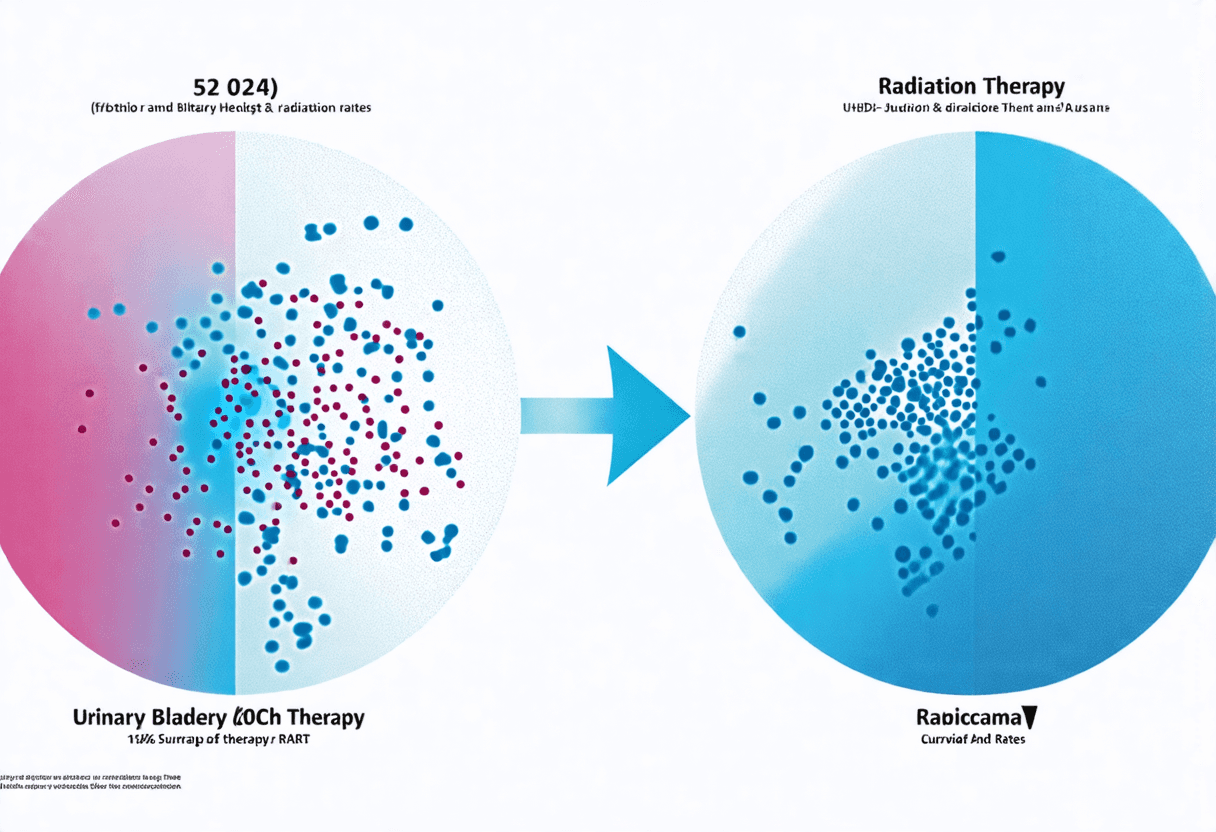
Показатели выживаемости после лучевой терапии рака мочевого пузыря
26 Oct, 2024
 Здоровье
Когда дело доходит до борьбы с раком, каждый момент имеет значение, и каждое решение может быть вопросом жизни и смерти. Для людей с диагнозом карцинома мочевого пузыря путь к выздоровлению может быть долгим и трудным, но с развитием медицинских технологий и лучевой терапии шансы на выживание возрастают в геометрической прогрессии. Как пациенту, важно быть в курсе последних вариантов лечения, их эффективности и связанных с ними показателей выживаемости. В этой статье мы углубимся в мир лучевой терапии рака мочевого пузыря, изучая различные типы, их преимущества и показатели выживаемости, на которые могут рассчитывать пациенты.
Основные сведения о раке мочевого пузыря
Карцинома мочевого пузыря, также известный как рак мочевого пузыря, представляет собой тип рака, который влияет на мочевой пузырь, мышечный мешок, который хранит мочу. Это девятый наиболее распространенный рак во всем мире, с примерно 549 000 новых случаев, диагностируемых ежегодно. Заболевание чаще встречается у мужчин, чем у женщин, и риск увеличивается с возрастом, при этом большинство случаев встречается у людей старше 65. Курение, воздействие определенных химических веществ и семейный анамнез заболевания являются одними из ведущих факторов риска. Симптомы рака мочевого пузыря могут быть незаметными, но обычно они включают кровь в моче, болезненное мочеиспускание и частое мочеиспускание.
Самые популярные процедуры в Индия




Диагностика и стадирование
Диагностика рака мочевого пузыря обычно включает в себя комбинацию визуализирующих исследований, таких как компьютерная томография, МРТ и цистоскопия, что позволяет врачам визуально осмотреть мочевой пузырь и уретру. Болезнь поставлена на основе степени опухоли, причем стадия 0 является наименее агрессивной, а 4 -й стадия - наиболее агрессивной. Процесс постановки помогает врачам определять наилучший курс лечения, который может включать хирургию, химиотерапию, лучевую терапию или комбинацию их.
Радиационная терапия для карциномы мочевого пузыря
Лучевая терапия является распространенным вариантом лечения рака мочевого пузыря, особенно для пациентов, которые не являются кандидатами на хирургическое вмешательство, или тех, кто предпочитает неинвазивный подход. Цель лучевой терапии состоит в том, чтобы уничтожить раковые клетки с использованием высокоэнергетических радиационных лучей, которые могут быть доставлены извне или внутри. Внешняя лучевая терапия (ДЛТ) предполагает направление лучей излучения снаружи тела, тогда как внутренняя лучевая терапия, также известная как брахитерапия, предполагает размещение небольших радиоактивных имплантатов внутри мочевого пузыря. Облученная терапия может использоваться в качестве автономного лечения или в сочетании с другими методами лечения, такими как химиотерапия.

Оздоровительные процедуры
Дайте себе время расслабиться
Гарантия самых низких цен!

Гарантия самых низких цен!
Типы лучевой терапии
Существует несколько типов лучевой терапии, которые можно использовать для лечения рака мочевого пузыря, включая:
1. Внешняя лучевая терапия (ДЛТ). Это наиболее распространенный тип лучевой терапии, который предполагает направление высокоэнергетических лучей излучения извне тела на участок опухоли.
2. Внутренняя лучевая терапия (брахитерапия): этот тип лучевой терапии включает в себя размещение небольших радиоактивных имплантатов в мочевой пузырь для уничтожения раковых клеток.
3. Стереотаксическая лучевая терапия тела (SBRT): это тип лучевой терапии, при которой высокие дозы радиации доставляются к месту опухоли за несколько фракций, обычно за 3-5 сеансов.
682 пациентов из Индия выбрать этот пакет для своих Пакет трансплантации печени

4. Протонная терапия: это тип EBRT, который использует протоны вместо рентгеновских лучей для уничтожения раковых клеток, снижая риск повреждения окружающих тканей.
Выживаемость для лучевой терапии
Показатели выживаемости после лучевой терапии у пациентов с раком мочевого пузыря варьируются в зависимости от стадии заболевания, типа используемой лучевой терапии и общего состояния здоровья пациента. По данным Американского онкологического общества, 5-летняя выживаемость пациентов с раком мочевого пузыря 0 стадии составляет примерно 95%, тогда как 5-летняя выживаемость пациентов с раком мочевого пузыря 4 стадии составляет около 10%. Исследование, опубликованное в журнале клинической онкологии, показало, что пациенты, получавшие лучевую терапию, имели 5-летнюю общую выживаемость 64.6%, по сравнению с 44.4% для тех, кто не получал лучевую терапию.
Преимущества лучевой терапии
Лучевая терапия предлагает несколько преимуществ для пациентов с раком мочевого пузыря, в том числе:
1. Улучшение показателей выживаемости: было показано, что лучевая терапия улучшает показатели выживаемости у пациентов с раком мочевого пузыря, особенно в сочетании с другими методами лечения.
2. Снижение риска рецидива: лучевая терапия может снизить риск рецидива рака, позволяя пациентам наслаждаться лучшим качеством жизни.
3. Минимально инвазивная: лучевая терапия-это неинвазивный вариант лечения, который снижает риск осложнений и рубцов, связанных с хирургическим вмешательством.
4. Быстрое выздоровление: лучевая терапия обычно требует более короткого времени восстановления по сравнению с операцией, что позволяет пациентам вернуться к своей нормальной активности раньше.
Заключение
В заключение, лучевая терапия является жизненно важным вариантом лечения пациентов с карциномой мочевого пузыря, предлагая улучшенную выживаемость, снижение риска рецидива и лучшее качество жизни. Хотя путь к выздоровлению может быть долгим и трудным, крайне важно быть в курсе последних вариантов лечения и их эффективности. Понимая преимущества и показатели выживаемости, связанные с лучевой терапией, пациенты могут принимать обоснованные решения о своем лечении и сделать первый шаг к более здоровой и счастливой жизни. Если вы или ваш близкий человек боретесь с раком мочевого пузыря, не стесняйтесь обратиться к врачу, чтобы обсудить лучший курс лечения. Помните, каждый момент имеет значение, и каждое решение может быть вопросом жизни и смерти.
Самые популярные пакеты здоровья





Связанные блоги

Мочевая лучевая терапия мочевого пузыря и паллиативная помощь
Радиационная терапия может обеспечить паллиативную помощь для карциномы мочевого пузыря мочевого пузыря
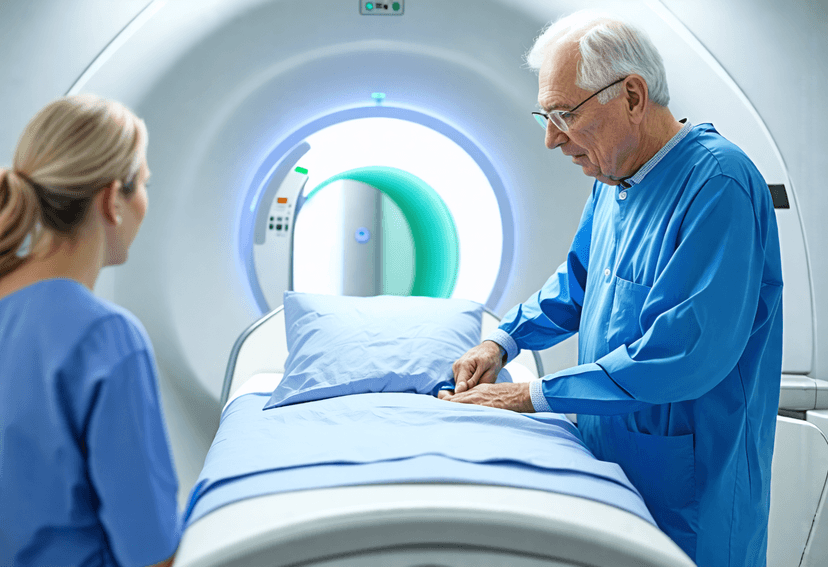
Радиационная терапия рака мочевого пузыря у пожилых пациентов
Облученная терапия является подходящим вариантом лечения для пожилых пациентов

Лечение рака мочевого пузыря с помощью лучевой терапии и иммунотерапии
Узнайте о комбинации лучевой терапии и иммунотерапии для
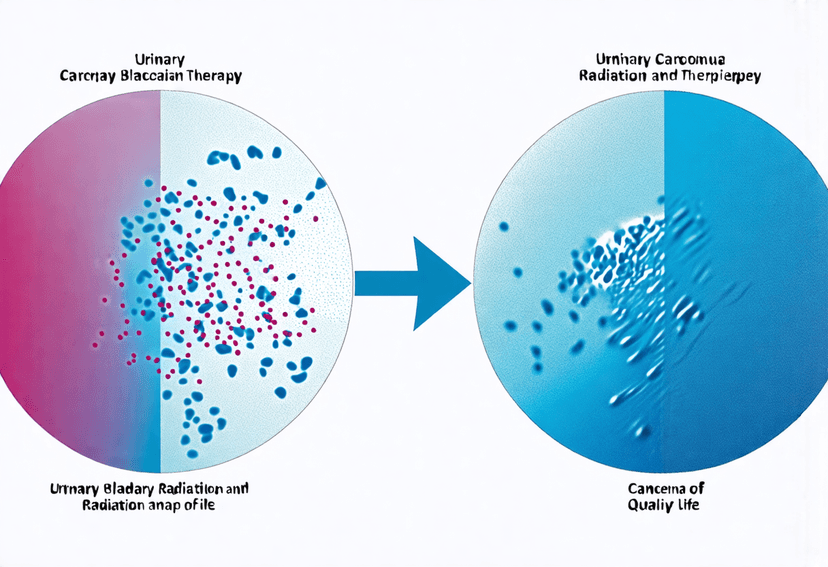
Мочевая лучевая терапия мочевого пузыря и качество жизни
Радиационная терапия может улучшить качество жизни мочевого пузыря мочевого пузыря

Терапия рака мочевого пузыря и побочные эффекты химиотерапии
Узнайте о побочных эффектах комбинирования лучевой терапии и

Лучевая терапия при распространенном раке мочевого пузыря
Облученная терапия является эффективным лечением рака развитого мочевого пузыря,