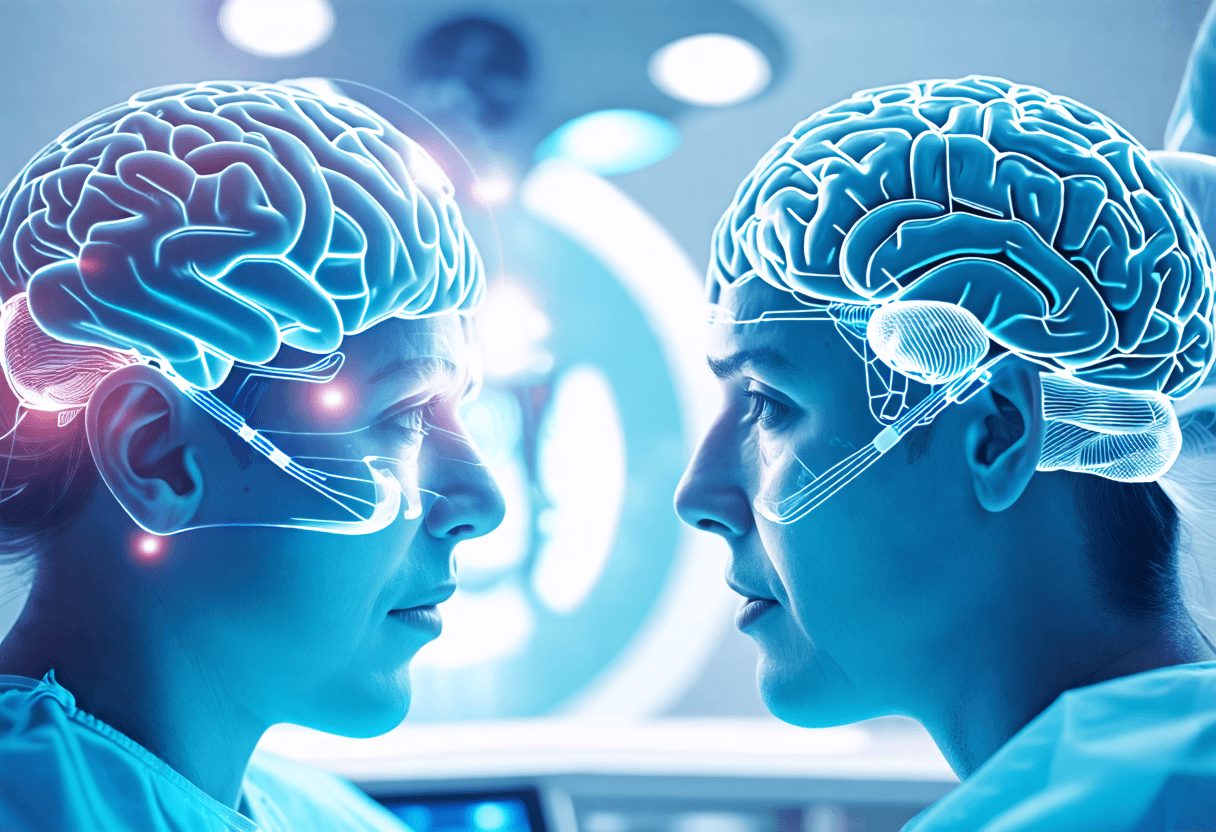
Будущее краниотомии: достижения в лечении инсульта головного мозга
17 Nov, 2024
 Здоровье
Представьте себе, что вы проснулись однажды утром, чувствуя себя прекрасно, а затем внезапно почувствовали сильную головную боль, онемение или слабость в лице, руке или ноге. Это общие симптомы инсульта, неотложная медицинская помощь, которая может изменить жизнь человека в одно мгновение. По данным Всемирной организации здравоохранения (ВОЗ), инсульт является второй по значимости причиной смерти и третьей по значимости причина инвалидности во всем мире. В прошлом возможности лечения инсульта были ограничены, но благодаря достижениям в области медицинских технологий и исследований будущее краниотомии, хирургической процедуры для снятия давления на мозг, выглядит ярче, чем когда-либо. В Healthtrip мы стремимся предоставить доступ к новейшим медицинским достижениям, включая передовые процедуры краниотомии, чтобы обеспечить наилучшие результаты для наших пациентов.
Текущее состояние краниотомии
Краниотомия, хирургическая процедура, которая включает в себя удаление части черепа для доступа в мозг, была важной вариантом лечения для пациентов с инсультом. Однако традиционные методы краниотомии имеют свои ограничения. Процедура может быть инвазивной, что приводит к значительному повреждению тканей, образованию рубцов и длительному периоду восстановления. Кроме того, высок риск осложнений, таких как инфекция, кровотечение и судороги. Несмотря на эти проблемы, краниотомия остается жизненно важным вариантом лечения для многих пациентов, перенесших инсульт, и исследователи неустанно работают над улучшением этой процедуры.
Самые популярные процедуры в Индия


Минимально инвазивная краниотомия: меняет правила игры
В последние годы малоинвазивная краниотомия стала многообещающей альтернативой традиционной краниотомии. Этот инновационный подход использует передовые технологии визуализации, такую как КТ и МРТ -сканирование, для руководства хирургом во время процедуры. Результатом является меньший разрез, уменьшение повреждения ткани и более быстрое время восстановления. Доказано, что минимально инвазивная краниотомия снижает риск осложнений, улучшает результаты лечения пациентов и повышает общее качество жизни. В HealthTrip мы стремимся оставаться на переднем крае медицинских инноваций, обеспечивающих доступ нашим пациентам к последним достижениям в краниотомии, в том числе минимально инвазивные процедуры.

Оздоровительные процедуры
Дайте себе время расслабиться
Гарантия самых низких цен!

Гарантия самых низких цен!
Робот-ассистированная краниотомия: будущее лечения инсульта
Представьте себе хирургическую процедуру, которая сочетает в себе точность робота с опытом опытного хирурга. Робот-ассистированная краниотомия производит революцию в области нейрохирургии, позволяя хирургам выполнять сложные процедуры с беспрецедентной точностью и ловкостью. Эта передовая технология обеспечивает визуализацию в реальном времени, точное рассечение и снижение травмы окружающей мозговой ткани. Преимущества роботизированной краниотомии неоспоримы: сокращение времени восстановления, минимизация рубцов и улучшение результатов лечения пациентов. По мере того, как технология продолжает развиваться, мы можем ожидать еще более продвинутых применений при лечении инсульта и других неврологических расстройств.
Персонализированная медицина: индивидуальный подход к лечению
Одним из наиболее значительных достижений в краниотомии является сдвиг в сторону персонализированной медицины. Объединив передовые технологии визуализации, генетическое профилирование и алгоритмы машинного обучения, хирурги могут адаптировать лечение к потребностям отдельного пациента. Такой персонализированный подход позволяет хирургам определить наиболее эффективную стратегию лечения, снижая риск осложнений и улучшая результаты лечения пациентов. В Healthtrip мы стремимся использовать возможности персонализированной медицины для обеспечения наилучшего ухода за нашими пациентами.
Роль телемедицины в лечении инсульта
Телемедицина, использование электронных коммуникаций и информационных технологий для дистанционного предоставления медицинских услуг, меняет подход к лечению инсульта. Благодаря телемедицине пациенты могут получить доступ к специализированной помощи, не выходя из собственного дома, что снижает риск задержки лечения и улучшает результаты. В Healthtrip мы используем телемедицину для связи пациентов с нейрохирургами мирового класса, обеспечивая своевременное и эффективное лечение пациентов, перенесших инсульт.
769 пациентов из Индия выбрать этот пакет для своих Пакет трансплантации печени
Удаленный мониторинг: будущее послеоперационного ухода
Удаленный мониторинг, критический компонент телемедицины, позволяет медицинским работникам отслеживать прогресс пациента дистанционно, на раннем этапе осложнений и предоставление своевременных вмешательств. Было показано, что этот инновационный подход снижает уровень реадмиссии в больнице, улучшает результаты пациентов и повышает общее качество жизни. В HealthTrip мы стремимся использовать силу удаленного мониторинга для обеспечения исключительного послеоперационного ухода за нашими пациентами.
Будущее краниотомии: более светлый завтра
Поскольку мы смотрим на будущее краниотомии, ясно одно: возможности бесконечны. С достижениями в минимально инвазивных процедурах, с помощью робота с помощью хирургии, персонализированной медицины и телемедицины, лечение инсульта и других неврологических расстройств готово для революции. В Healthtrip мы стремимся оставаться в авангарде медицинских инноваций, обеспечивая нашим пациентам доступ к новейшим достижениям в области краниотомии и лечения инсульта. Сочетая передовые технологии с сострадательным, ориентированным на пациента уходом, мы создаем светлое будущее для пациентов, перенесших инсульт, во всем мире.
Самые популярные пакеты здоровья





Связанные блоги

Разрушение стоимости нейро -хирургии в Индии через Healthtrip
Получите полную информацию о нейро -хирургии в Индии с Healthtrip.
Получите второе мнение о нейро -хирургии от экспертов Healthtrip
Получите полную информацию о нейро -хирургии в Индии с Healthtrip.
Доступный VS Premium: Варианты нейро -хирургии с HealthTrip
Получите полную информацию о нейро -хирургии в Индии с Healthtrip.
Навигация по нейро-хирургии в Индии с Healthtrip: пошаговое руководство
Получите полную информацию о нейро -хирургии в Индии с Healthtrip.
Ваш контрольный список медицинских путешествий для хирургии нейро с HealthTrip
Получите полную информацию о нейро -хирургии в Индии с Healthtrip.
Реальные обзоры пациентов с нейро -хирургией через Healthtrip
Получите полную информацию о нейро -хирургии в Индии с Healthtrip.