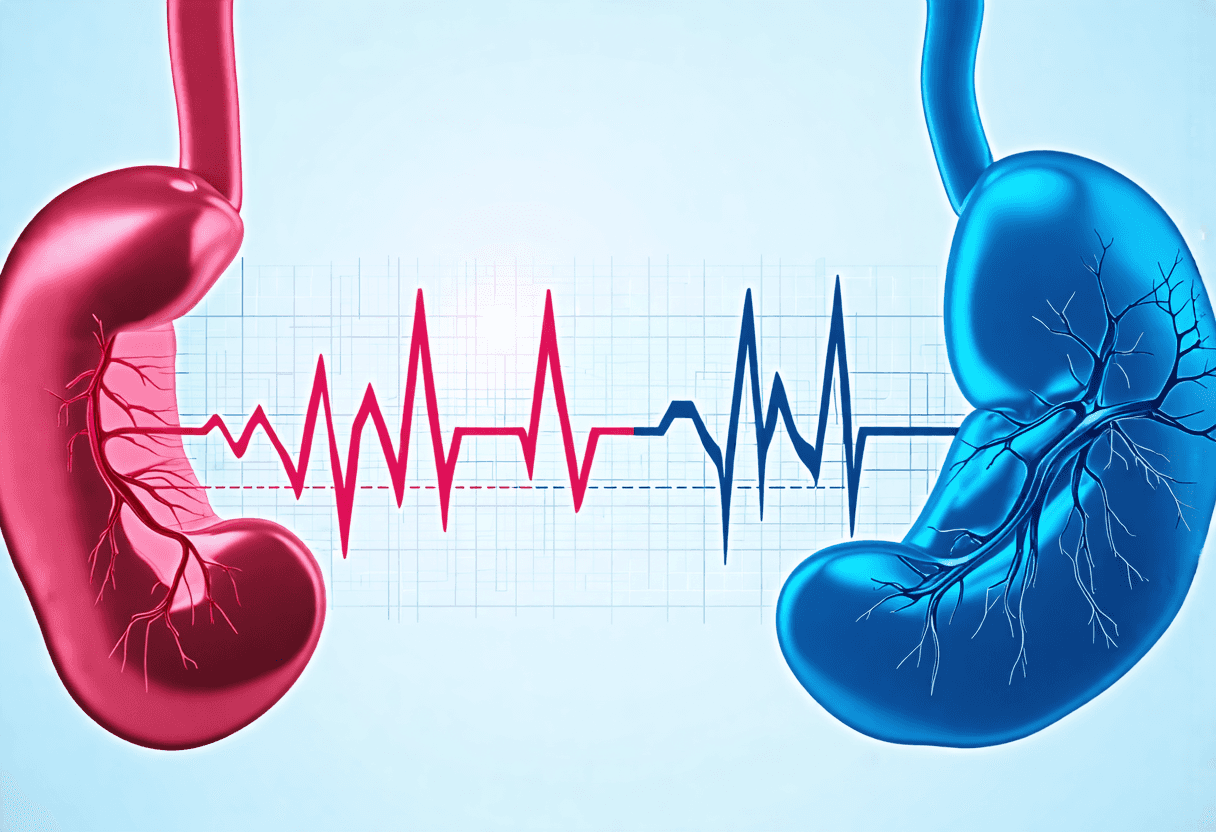
Причины рака желудка: факторы риска и профилактика
18 Oct, 2024
 Здоровье
Gastric cancer, also known as stomach cancer, is a type of cancer that affects the stomach, a vital organ responsible for digesting the food we eat. It is a significant health concern worldwide, with over 1 million new cases diagnosed every year. In the United States alone, it is estimated that over 28,000 people are diagnosed with stomach cancer annually. Despite its prevalence, gastric cancer is often misunderstood, and its causes are shrouded in mystery. However, research has shed light on the risk factors and prevention strategies that can help reduce the likelihood of developing this disease.
Understanding Gastric Cancer Causes
Gastric cancer is a complex disease, and its causes are multifaceted. While the exact causes are still not fully understood, research has identified several risk factors that increase the likelihood of developing stomach cancer. These risk factors can be broadly classified into two categories: modifiable and non-modifiable risk factors.
Самые популярные процедуры в Индия

Non-Modifiable Risk Factors
Non-modifiable risk factors are those that cannot be changed or controlled. These include:
Age: Gastric cancer risk increases with age, with most cases diagnosed in people over 60 years old.

Оздоровительные процедуры
Дайте себе время расслабиться
Гарантия самых низких цен!

Гарантия самых низких цен!
Family History: Having a family history of gastric cancer increases the risk of developing the disease.
Genetics: Certain genetic mutations, such as those associated with Lynch syndrome, can increase the risk of gastric cancer.
Race and Ethnicity: Gastric cancer is more common in certain racial and ethnic groups, such as Asian, African American, and Hispanic populations.
Modifiable Risk Factors
Modifiable risk factors, on the other hand, are those that can be changed or controlled. These include:
691 пациентов из Индия выбрать этот пакет для своих Пакет трансплантации печени

Diet: A diet high in salt, processed meat, and smoked foods increases the risk of gastric cancer.
Helicobacter Pylori Infection: H. pylori infection is a significant risk factor for gastric cancer, as it can cause chronic inflammation in the stomach.
Smoking: Smoking is a well-established risk factor for gastric cancer, as it damages the stomach lining and increases the risk of cancer.
Obesity: Being overweight or obese increases the risk of gastric cancer, particularly in men.
Prevention Strategies
While gastric cancer cannot be completely prevented, there are several strategies that can reduce the risk of developing the disease. These include:
Maintaining a Healthy Diet: Eating a diet rich in fruits, vegetables, and whole grains can help reduce the risk of gastric cancer.
Getting Screened for H. Pylori: Screening for H. pylori infection and treating it promptly can reduce the risk of gastric cancer.
Quitting Smoking: Quitting smoking can significantly reduce the risk of gastric cancer and other health problems.
Maintaining a Healthy Weight: Maintaining a healthy weight through a combination of diet and exercise can reduce the risk of gastric cancer.
Getting Enough Exercise: Regular exercise can help reduce the risk of gastric cancer and other health problems.
In conclusion, gastric cancer is a complex disease with multiple risk factors. While some risk factors cannot be changed, others can be modified through lifestyle changes and healthy habits. By understanding the causes of gastric cancer and taking steps to reduce the risk factors, individuals can reduce their likelihood of developing this disease.
Самые популярные пакеты здоровья





Связанные блоги

Понимание причин рака саркомы
Узнайте о причинах и факторах риска рака саркомы
Роль онкогенов в развитии рака саркомы
Узнайте о роли онкогена в развитии рака саркомы

Связь между аутоиммунными расстройствами и саркомой
Изучите связь между аутоиммунными заболеваниями и развитием рака саркомы
Причины рака саркомы и факторы риска
Получите информацию о причинах и факторах риска саркомы
Разгадка тайны причин рака саркомы
Изучите последнее исследование причин рака саркомы
Понимание роли воспаления в саркоме
Узнайте о влиянии воспаления на развитие рака саркомы