Все, что вам нужно знать о хирургии позвоночника через Healthtrip
20 Jul, 2025
 Здоровье
- What is Spine Surgery? Understanding the Basics
- Why is Spine Surgery Necessary? Common Conditions and When to Consider It
- Where to Get Spine Surgery: Top Hospitals for Spine Procedures
- Types of Spine Surgery: From Discectomy to Spinal Fusion
- Preparing for Spine Surgery: A Step-by-Step Guide
- What to Expect After Spine Surgery: Recovery and Rehabilitation
- Potential Risks and Complications of Spine Surgery
- Conclusion: Making Informed Decisions About Spine Surgery
Understanding the Spine
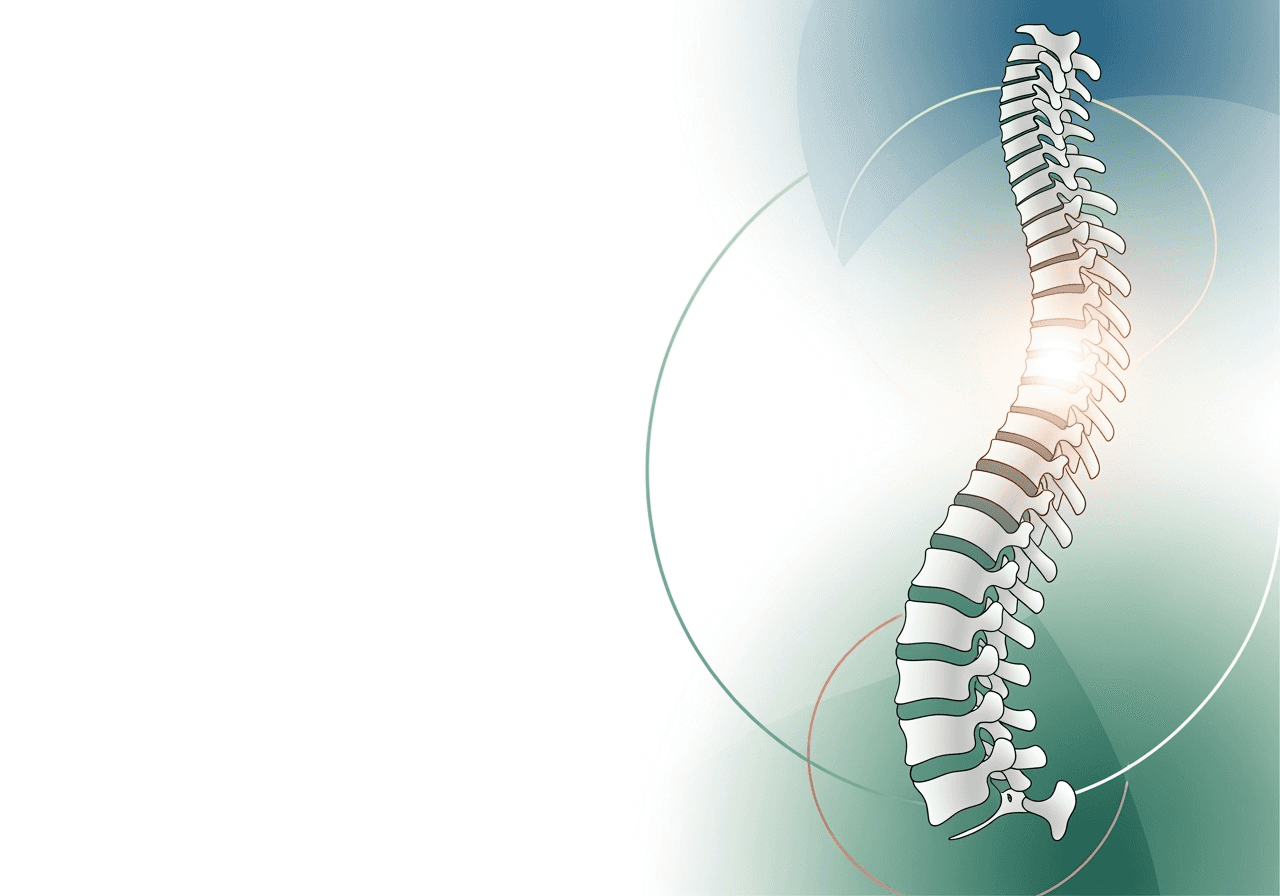
Let's start with the basics: your spine, also known as the vertebral column, is the backbone of your body – quite literally! It’s an intricate structure composed of 33 individual bones called vertebrae, stacked one on top of the other. These vertebrae are divided into different regions: cervical (neck), thoracic (mid-back), lumbar (lower back), sacral, and coccygeal (tailbone). In between each vertebra are intervertebral discs, which act as cushions, preventing the bones from grinding against each other and allowing for flexibility. The spinal cord, a bundle of nerves that transmits signals between your brain and the rest of your body, runs through a canal in the center of the vertebrae. When things go wrong—like a herniated disc pressing on a nerve, or spinal stenosis narrowing the spinal canal—it can lead to pain, numbness, weakness, and other neurological symptoms. Knowing the anatomy helps you understand what's going on when your doctor starts talking about "L4-L5" or "cervical spondylosis." This knowledge can ease your anxieties and empower you to ask the right questions, especially when considering surgical options facilitated by Healthtrip at hospitals like Saudi German Hospital Cairo, Egypt. Understanding the complex architecture of your spine is the first step to comprehending potential issues and the surgical interventions designed to restore function and alleviate pain.
Самые популярные процедуры в Индия



Common Spinal Conditions Requiring Surgery
Several spinal conditions might lead your doctor to recommend surgery. One of the most common is a herniated disc, where the soft, jelly-like center of the disc pushes through a tear in the outer layer, irritating nearby nerves. Spinal stenosis, a narrowing of the spinal canal, can also compress the spinal cord and nerves, causing pain and neurological symptoms. Spondylolisthesis, a condition where one vertebra slips forward over another, can lead to instability and pain. Scoliosis, an abnormal curvature of the spine, may require surgery to correct the alignment and prevent further progression, especially in severe cases. Fractures of the vertebrae, often caused by trauma or osteoporosis, can also necessitate surgical intervention to stabilize the spine and prevent further injury. Tumors, while less common, can also develop in the spine, requiring surgical removal to alleviate pressure on the spinal cord and nerves. Each of these conditions presents unique challenges and may require different surgical approaches. If you're facing one of these diagnoses, remember you're not alone, and Healthtrip can connect you with specialists and hospitals like Memorial Sisli Hospital in Istanbul, or perhaps even Cleveland Clinic London, to explore the best course of action for your specific situation. Understanding the nature of your condition is paramount to making an informed decision about surgical intervention.

Оздоровительные процедуры
Дайте себе время расслабиться
Гарантия самых низких цен!

Гарантия самых низких цен!
Types of Spine Surgery
Spine surgery isn't a one-size-fits-all solution; it encompasses a range of procedures designed to address various spinal conditions. Discectomy, the surgical removal of a herniated disc, is often performed to relieve pressure on a nerve. Laminectomy involves removing a portion of the vertebra (the lamina) to create more space for the spinal cord and nerves, often used to treat spinal stenosis. Spinal fusion, a procedure where two or more vertebrae are joined together to stabilize the spine, might be recommended for conditions like spondylolisthesis or severe spinal instability. Artificial disc replacement, an alternative to spinal fusion, involves replacing a damaged disc with an artificial one, preserving motion in the spine. Kyphoplasty and vertebroplasty are minimally invasive procedures used to treat vertebral compression fractures, involving injecting bone cement into the fractured vertebra to stabilize it. Depending on your condition and the surgical approach, these procedures can be performed using either traditional open surgery or minimally invasive techniques, which involve smaller incisions, less tissue damage, and faster recovery. Healthtrip understands that choosing the right type of surgery can be overwhelming, but we're here to help you navigate the options and find the most suitable treatment for your needs, potentially even arranging consultations at renowned facilities such as Quironsalud Hospital Murcia. Remember, informed decisions are the best decisions.
Preparing for Spine Surgery
So, you've decided to go ahead with spine surgery – now what? Preparation is key to a successful outcome and a smoother recovery. Your doctor will conduct a thorough physical examination and review your medical history to assess your overall health and identify any potential risks. Imaging tests, such as X-rays, MRI scans, and CT scans, will provide detailed information about your spine and help the surgeon plan the procedure. You'll also undergo blood tests and other diagnostic tests to ensure you're fit for surgery. Before the surgery, it's crucial to discuss any medications you're taking with your doctor, as some may need to be stopped temporarily to reduce the risk of bleeding. You should also quit smoking, as it can impair healing. Making lifestyle adjustments is important, optimizing your nutrition and engaging in light exercise can also improve your recovery. Preparing your home environment is equally important; ensure you have a comfortable place to rest, remove tripping hazards, and arrange for assistance with household tasks if needed. Healthtrip recognizes the anxiety that can arise before surgery, and we're committed to providing you with comprehensive support, including connecting you with experienced surgeons at facilities like Vejthani Hospital in Bangkok to address your concerns and ensure you feel confident and well-prepared. Remember, a little preparation goes a long way in ensuring a positive surgical experience.
671 пациентов из Индия выбрать этот пакет для своих Пакет трансплантации печени

What to Expect During Surgery
The day of surgery can feel nerve-wracking, but knowing what to expect can help ease your anxiety. Once you arrive at the hospital, the medical staff will guide you through the check-in process and prepare you for surgery. An anesthesiologist will administer anesthesia to ensure you're comfortable and pain-free throughout the procedure. The surgical team will then perform the planned surgery, which may involve making an incision, removing or repairing damaged tissue, and stabilizing the spine as needed. The duration of the surgery will depend on the specific procedure and the complexity of your condition, ranging from a couple of hours for minimally invasive procedures to several hours for more complex surgeries. During the surgery, the surgical team will use advanced monitoring techniques to ensure your safety and optimize the outcome. After the surgery, you'll be moved to the recovery room, where you'll be closely monitored as you wake up from anesthesia. Pain management will be a priority, and the medical staff will administer medication to keep you comfortable. Healthtrip understands that the surgical process can be daunting, and we're dedicated to providing you with comprehensive support, including connecting you with renowned hospitals like Fortis Escorts Heart Institute, where experienced medical teams prioritize patient safety and comfort. Rest assured, you're in capable hands throughout the entire process.
Recovery and Rehabilitation
The journey to recovery after spine surgery is just as important as the surgery itself. Immediately after the procedure, you can expect some pain and discomfort, which will be managed with medication. The length of your hospital stay will vary depending on the type of surgery and your individual progress, typically ranging from a few days to a week. Once you're discharged, you'll need to follow your doctor's instructions carefully, including taking your medications as prescribed, caring for your incision, and avoiding activities that could strain your spine. Physical therapy will play a crucial role in your rehabilitation, helping you regain strength, flexibility, and range of motion. Your physical therapist will develop a personalized exercise program to address your specific needs and goals. It's also important to maintain a healthy lifestyle, including eating a nutritious diet, staying hydrated, and getting enough sleep, to promote healing and recovery. Remember, recovery is a marathon, not a sprint, and it's essential to be patient and persistent, at Healthtrip we want you to know that we can connect you to reputed hospitals like NMC Specialty Hospital in Dubai or even arrange physical therapy sessions abroad for a more holistic recovery through facilities such as Taoufik Clinic in Tunisia to ensure you receive the best possible care and support throughout your rehabilitation, gradually returning to your normal activities and enjoying a pain-free life.
Potential Risks and Complications
Like any surgical procedure, spine surgery carries potential risks and complications. While serious complications are rare, it's essential to be aware of them. Infection, bleeding, blood clots, nerve damage, and adverse reactions to anesthesia are some of the potential risks associated with spine surgery. In some cases, hardware used to stabilize the spine, such as screws or rods, may loosen or break, requiring additional surgery. Pseudoarthrosis, a condition where spinal fusion fails to heal properly, can also occur, leading to persistent pain and instability. It's also possible that the surgery may not completely relieve your pain or symptoms. Your surgeon will discuss these risks with you in detail before the surgery, and you'll have the opportunity to ask questions and address any concerns. While these risks may seem daunting, it's important to remember that spine surgery is generally safe and effective when performed by experienced surgeons in reputable medical facilities. Healthtrip is committed to connecting you with highly skilled surgeons and hospitals like Helios Klinikum München West, where patient safety is paramount, to minimize the risk of complications and ensure the best possible outcome. A transparent discussion about potential risks is an essential part of the decision-making process, empowering you to make informed choices with confidence.
Alternatives to Spine Surgery
Before considering spine surgery, it's important to explore non-surgical treatment options. Many spinal conditions can be effectively managed with conservative measures, such as pain medication, physical therapy, chiropractic care, and lifestyle modifications. Pain relievers, such as over-the-counter or prescription medications, can help alleviate pain and inflammation. Physical therapy can improve strength, flexibility, and posture, reducing the strain on your spine. Chiropractic care focuses on restoring proper alignment of the spine, which can relieve pain and improve function. Lifestyle modifications, such as weight loss, exercise, and ergonomic adjustments, can also help manage spinal pain. Injections, such as epidural steroid injections, can provide temporary relief from pain and inflammation. Alternative therapies, such as acupuncture and massage, may also be helpful for some individuals. Surgery is typically considered only when conservative treatments have failed to provide adequate relief. Healthtrip understands that spine surgery is a significant decision, and we're committed to providing you with comprehensive information about all available treatment options. We can connect you with experienced specialists who can assess your condition and recommend the most appropriate course of action, including exploring non-surgical alternatives and facilities such as London Medical for second opinions, ensuring you make an informed choice that aligns with your individual needs and preferences. Your well-being is our top priority, and we're here to support you every step of the way.
Choosing the Right Surgeon and Hospital
Selecting the right surgeon and hospital is crucial for a successful spine surgery experience. Look for a board-certified orthopedic surgeon or neurosurgeon with extensive experience in performing the specific type of surgery you need. Consider surgeons who specialize in minimally invasive techniques, as these may offer faster recovery and reduced risk of complications. Research the surgeon's credentials, training, and patient reviews to get a sense of their expertise and reputation. Choose a hospital with a strong track record in spine surgery, advanced technology, and a dedicated team of nurses, physical therapists, and other healthcare professionals. Consider hospitals that have received awards or accreditations for their quality of care and patient safety. Ask your surgeon about their complication rates and the hospital's infection control protocols. It's also important to consider factors such as location, insurance coverage, and the availability of support services. Healthtrip is dedicated to connecting you with highly qualified surgeons and reputable hospitals, such as Hisar Intercontinental Hospital, that meet your specific needs. We can provide you with information about surgeon profiles, hospital facilities, and patient reviews to help you make an informed decision. Finding the right medical team is essential for a positive surgical outcome, and we're here to assist you in every aspect of your search. Remember, your health is an investment, so choose wisely.
What is Spine Surgery? Understanding the Basics
Spine surgery, often perceived as a daunting prospect, is essentially a collection of procedures designed to address various issues affecting the spinal column. Think of your spine as the central pillar supporting your body, a complex structure composed of vertebrae, discs, nerves, and ligaments. When any of these components are damaged or compromised by injury, disease, or simply the wear and tear of aging, it can lead to debilitating pain, numbness, weakness, and a significant reduction in your quality of life and that's where spine surgery comes in. It's not always the first option, of course. Doctors usually explore less invasive treatments first, like physical therapy, medication, and injections. But when these conservative methods fail to provide adequate relief, spine surgery may be considered as a viable solution to restore function and alleviate suffering. The goal isn't just to eliminate pain; it's to improve your overall well-being, allowing you to return to the activities you enjoy and live a more fulfilling life. Understanding the basics of spine surgery empowers you to engage in informed conversations with your healthcare providers and make the best possible decisions for your individual situation. Healthtrip can assist you in finding the right specialists and facilities for your spine surgery needs.
It’s crucial to remember that spine surgery isn’t a one-size-fits-all solution. There are many different types of procedures, each tailored to address specific spinal problems. For instance, a discectomy involves removing a damaged disc that's pressing on a nerve, while a spinal fusion aims to stabilize the spine by joining two or more vertebrae together. Laminectomy is a decompression procedure that alleviates pressure on the spinal cord by removing a portion of the vertebral bone called the lamina. The specific approach your surgeon recommends will depend on the nature and severity of your condition, your overall health, and your individual goals. Advances in medical technology have also led to the development of minimally invasive spine surgery techniques, which involve smaller incisions, less tissue damage, and faster recovery times compared to traditional open surgery. These techniques are not suitable for all cases, but they can be a game-changer for those who qualify. Considering all available options with help from Healthtrip can help individuals make empowered choices.
Why is Spine Surgery Necessary? Common Conditions and When to Consider It
The necessity of spine surgery often arises from a confluence of factors, primarily persistent pain and neurological symptoms that significantly impact daily life. Many conditions lead to this point, but some are more common than others. Herniated discs, for example, occur when the soft, cushioning discs between your vertebrae bulge or rupture, pressing on nearby nerves and causing radiating pain, numbness, or weakness in the arms or legs. Spinal stenosis, a narrowing of the spinal canal, can also compress the spinal cord and nerves, leading to similar symptoms, often exacerbated by walking or standing. Spondylolisthesis, a condition where one vertebra slips forward over another, can create instability and nerve compression. Scoliosis, an abnormal curvature of the spine, can cause pain, breathing difficulties, and cosmetic concerns, particularly in severe cases. Osteoarthritis, the degenerative joint disease, can affect the facet joints in the spine, leading to pain, stiffness, and limited range of motion. These conditions, when unresponsive to conservative treatments, may necessitate surgical intervention and Healthtrip can assist in navigating these complex decisions.
Deciding when to consider spine surgery is a deeply personal and complex process. It's not simply about tolerating pain; it's about assessing the impact of your condition on your ability to work, care for yourself, and enjoy life. If you've exhausted non-surgical options such as physical therapy, pain medication, injections, and lifestyle modifications without experiencing meaningful relief, it might be time to explore surgical solutions. Neurological symptoms such as progressive weakness, numbness, or bowel and bladder dysfunction are also red flags that warrant further investigation and potential surgical intervention. Perhaps you find yourself unable to walk without significant pain, or you're losing strength in your hands, making it difficult to perform everyday tasks. These are signs that your spinal condition is significantly affecting your neurological function and may require surgical decompression or stabilization. Remember, surgery is not a guaranteed cure, and it's crucial to have realistic expectations about the potential benefits and risks. Consulting with a qualified spine surgeon and discussing your individual circumstances is essential to determine if surgery is the right choice for you. Healthtrip's network of experienced surgeons and hospitals can help you make an informed decision.
Where to Get Spine Surgery: Top Hospitals for Spine Procedures
Choosing the right hospital for spine surgery is a critical decision, influencing not only the outcome of your procedure but also your overall experience. Several factors come into play, including the hospital's reputation for spinal care, the expertise of its surgeons, the availability of advanced technology, and the quality of post-operative rehabilitation services. A hospital with a dedicated spine center, staffed by a multidisciplinary team of surgeons, nurses, physical therapists, and pain management specialists, is often a good choice. These centers offer a comprehensive approach to spinal care, ensuring that you receive personalized treatment tailored to your specific needs. Look for hospitals that have a track record of successful spine surgeries and positive patient outcomes. Consider hospitals that are involved in research and innovation, as they are more likely to offer the latest and most advanced surgical techniques. Healthtrip is partnered with some leading hospitals for spine surgery, offering a seamless experience from consultation to recovery. Some leading facilities are based in Turkey, Egypt and India.
When considering location, think about factors such as travel distance, insurance coverage, and the availability of support from family and friends. Some people prefer to stay close to home for convenience and support, while others are willing to travel to specialized centers of excellence. It's also important to research the hospital's accreditation and certifications, ensuring that it meets rigorous quality standards. Furthermore, read patient reviews and testimonials to get a sense of other people's experiences with the hospital and its staff. Ultimately, the best hospital for you will depend on your individual circumstances and preferences. Here are a few hospitals within the Healthtrip network that are known for their excellence in spine surgery: Saudi German Hospital Cairo, Egypt, Fortis Memorial Research Institute, Gurgaon, Max Healthcare Saket, Memorial Bahçelievler Hospital, Memorial Sisli Hospital, Vejthani Hospital, and LIV Hospital, Istanbul . These hospitals offer cutting-edge technology, experienced surgeons, and comprehensive care, all factors that contribute to successful spine surgery outcomes. Healthtrip can help you connect with these hospitals and explore your treatment options.
Memorial Bahçelievler Hospital
Located in Istanbul, Memorial Bahçelievler Hospital is renowned for its state-of-the-art facilities and a patient-centric approach, making it a strong contender for those seeking spine surgery. The hospital employs a team of highly skilled spine surgeons experienced in performing a wide range of procedures, from minimally invasive techniques to complex spinal reconstructions. They use advanced imaging technologies to accurately diagnose spinal conditions and develop personalized treatment plans. The hospital's commitment to quality and patient safety is reflected in its accreditations and certifications. Healthtrip provides detailed information and assistance with coordinating care at Memorial Bahçelievler Hospital.
Memorial Sisli Hospital
Also situated in Istanbul, Memorial Sisli Hospital has earned a reputation as a leading center for spine surgery. Their spine unit boasts a team of experienced surgeons who utilize cutting-edge technologies and innovative techniques to treat a variety of spinal conditions. The hospital's focus on research and development ensures that patients have access to the latest advancements in spine care. Patients at Memorial Sisli Hospital benefit from a holistic approach to treatment, encompassing pre-operative evaluation, surgical intervention, and post-operative rehabilitation. Healthtrip offers comprehensive support for patients considering spine surgery at Memorial Sisli Hospital.
Fortis Memorial Research Institute, Gurgaon
Located in Gurgaon, India, Fortis Memorial Research Institute (FMRI) is a JCI-accredited facility that offers a wide range of advanced spine surgeries. The hospital, known for its commitment to providing top-notch medical care, features cutting-edge technology and a dedicated team of spine specialists. From minimally invasive procedures to complex spinal reconstructions, FMRI caters to diverse spinal conditions with personalized treatment plans. The multidisciplinary approach ensures comprehensive care, addressing not just the physical aspects but also the overall well-being of patients. Healthtrip facilitates access to FMRI's expertise, providing support for international patients seeking quality spine surgery in India. The hospital's commitment to clinical excellence positions it as a preferred choice for spine surgery.
Max Healthcare Saket
Max Healthcare Saket, located in New Delhi, India, is a leading healthcare institution with a strong focus on spine surgery. The hospital is equipped with state-of-the-art technology and staffed by highly experienced spine surgeons who are proficient in performing a wide range of procedures. Max Healthcare Saket is committed to delivering personalized care and achieving optimal outcomes for its patients. The hospital's commitment to patient safety and satisfaction is evident in its numerous accreditations and positive patient reviews. Healthtrip provides convenient access to quality spine care at Max Healthcare Saket, making it an excellent option for anyone seeking spinal surgery in India.
Saudi German Hospital Cairo, Egypt
Saudi German Hospital Cairo is a modern medical facility offering comprehensive spine surgery services. The hospital is committed to providing high-quality medical care and patient satisfaction, offering a modern infrastructure and experienced surgical teams. The spine unit at Saudi German Hospital Cairo has the latest diagnostic and treatment options. Healthtrip can help you learn more about what the Saudi German Hospital Cairo can do for you and assist with scheduling a consultation with their spinal surgeons. This makes it easier for those seeking surgical options in Egypt.
Also Read:
Types of Spine Surgery: From Discectomy to Spinal Fusion
Spine surgery encompasses a wide array of procedures, each designed to address specific spinal conditions and alleviate associated pain. Understanding the different types of spine surgery is crucial for patients exploring treatment options. One of the most common procedures is a discectomy, which involves removing a portion of a herniated disc that is pressing on a nerve. This procedure is often performed to relieve leg pain (sciatica) or back pain caused by nerve compression. Discectomies can be performed using minimally invasive techniques, resulting in smaller incisions, less tissue damage, and faster recovery times. Healthtrip can connect you with world-class hospitals specializing in minimally invasive discectomy, ensuring you receive the most advanced and effective treatment.
Spinal fusion is another frequently performed spine surgery, often recommended for conditions like spinal instability, spondylolisthesis (a slipped vertebra), or severe arthritis. This procedure involves joining two or more vertebrae together to create a solid segment of bone. The goal is to eliminate movement between the vertebrae, reducing pain and stabilizing the spine. Spinal fusion can be performed using various techniques, including bone grafts, screws, and rods. While spinal fusion can effectively reduce pain and improve stability, it can also limit spinal flexibility. Healthtrip offers access to expert surgeons who can assess your condition and determine if spinal fusion is the most appropriate treatment option for your specific needs.
Laminectomy, a procedure that involves removing a portion of the vertebral bone called the lamina, is often performed to relieve pressure on the spinal cord or nerves. This procedure is typically recommended for spinal stenosis, a condition where the spinal canal narrows, causing nerve compression. Laminectomy can create more space for the spinal cord and nerves, alleviating pain and improving neurological function. Foraminotomy, another type of decompression surgery, involves widening the opening (foramen) where nerve roots exit the spinal canal. This procedure can relieve nerve compression caused by bone spurs, herniated discs, or other conditions. Healthtrip's extensive network includes hospitals equipped with advanced imaging technology and experienced surgeons skilled in performing laminectomies and foraminotomies with precision and care.
Vertebroplasty and kyphoplasty are minimally invasive procedures used to treat vertebral compression fractures, often caused by osteoporosis. Vertebroplasty involves injecting bone cement into the fractured vertebra to stabilize it. Kyphoplasty is similar, but it also involves using a balloon to create space within the vertebra before injecting the cement, helping to restore the vertebra's original height and reduce spinal deformity. These procedures can provide significant pain relief and improve mobility for patients with vertebral compression fractures. Healthtrip simplifies the process of finding the best hospitals and surgeons for vertebroplasty and kyphoplasty, ensuring that you receive the highest quality care.
Also Read:
Preparing for Spine Surgery: A Step-by-Step Guide
Preparing for spine surgery is just as important as the surgery itself. A well-planned preparation can significantly impact your recovery and overall outcome. The first step is a comprehensive medical evaluation by your surgeon and medical team. This evaluation will include a review of your medical history, physical examination, and diagnostic tests like X-rays, MRI, or CT scans. This helps the surgical team to fully understand your condition and identify any potential risks. Don't be shy about asking questions! It’s crucial to understand the procedure, the expected benefits, and potential risks involved. Healthtrip can help you schedule consultations with experienced surgeons who can answer all your questions and address any concerns you may have. Knowledge is power, and being well-informed can ease anxiety and boost confidence.
Before surgery, your doctor will likely recommend optimizing your overall health. This might involve quitting smoking, losing weight if you are overweight, and managing any underlying medical conditions like diabetes or high blood pressure. Smoking can significantly impair healing and increase the risk of complications, so quitting is essential. A healthy diet rich in fruits, vegetables, and protein can also promote healing. Gentle exercises like walking or swimming can help strengthen your muscles and improve your cardiovascular health. Healthtrip can connect you with nutritionists and fitness experts who can provide personalized guidance to help you prepare physically for surgery.
Medication management is a critical aspect of pre-surgical preparation. Your doctor will review your current medications and advise you on which ones to continue or discontinue before surgery. Certain medications, like blood thinners or anti-inflammatory drugs, may need to be stopped to reduce the risk of bleeding. It is vital to be honest and transparent with your doctor about all the medications, supplements, and herbal remedies you are taking. Healthtrip can facilitate clear communication between you and your medical team to ensure that your medication management is optimized for a safe and successful surgery.
Preparing your home environment is something many patients overlook. Make sure your home is clean, organized, and free of hazards that could lead to falls. Arrange for assistance with daily tasks like cooking, cleaning, and transportation, especially in the initial recovery period. Consider renting or purchasing assistive devices like a raised toilet seat, grab bars, or a walker to make your life easier after surgery. Emotional preparation is equally important. Surgery can be stressful, so it's helpful to have a strong support system of family and friends. Consider talking to a therapist or counselor if you are feeling anxious or overwhelmed. Healthtrip understands the emotional challenges of undergoing surgery and can provide resources and support to help you cope.
Also Read:
What to Expect After Spine Surgery: Recovery and Rehabilitation
The recovery period following spine surgery is a crucial time for healing and regaining function. Understanding what to expect can help you prepare mentally and physically for the challenges ahead. Immediately after surgery, you will likely be monitored in a recovery room before being transferred to a hospital room. Pain management is a top priority, and your medical team will work to control your pain with medication. Depending on the type of surgery you had, you may have drains, catheters, or other medical devices in place. It's important to follow your doctor's instructions carefully regarding wound care, medication, and activity restrictions. Healthtrip can assist you in finding hospitals with excellent post-operative care and pain management programs, ensuring a comfortable and supportive recovery environment.
Physical therapy plays a vital role in your rehabilitation after spine surgery. A physical therapist will guide you through exercises to strengthen your muscles, improve your flexibility, and restore your range of motion. The specific exercises will vary depending on the type of surgery you had and your individual needs. It's important to follow your physical therapist's instructions diligently and gradually increase your activity level as tolerated. Occupational therapy may also be recommended to help you regain independence with daily activities like dressing, bathing, and cooking. Healthtrip can connect you with qualified physical and occupational therapists who can develop a personalized rehabilitation plan to help you achieve your recovery goals.
The recovery timeline after spine surgery varies depending on the individual and the type of procedure performed. Some patients may experience significant pain relief and improved function within a few weeks, while others may require several months of rehabilitation. It's important to be patient and realistic about your recovery expectations. Don't compare your progress to others, and focus on making small, steady improvements over time. Listen to your body and avoid pushing yourself too hard, especially in the early stages of recovery. Healthtrip can help you track your progress and stay motivated throughout your rehabilitation journey.
Returning to work and other activities will depend on your individual circumstances and the nature of your job. Most patients will need to take several weeks or months off work after spine surgery. Your doctor can provide guidance on when it is safe to return to work and what modifications may be necessary. It's important to gradually increase your activity level and avoid lifting heavy objects, twisting, or bending excessively. Maintaining a healthy lifestyle, including a balanced diet and regular exercise, can also promote long-term recovery and prevent future problems. Healthtrip is dedicated to supporting you throughout your recovery, providing access to resources and expertise to help you regain your quality of life.
Potential Risks and Complications of Spine Surgery
Like any surgical procedure, spine surgery carries potential risks and complications. While spine surgery is generally safe and effective, it's crucial to be aware of the possible downsides before making a decision. Infection is a potential risk with any surgery, including spine surgery. Infections can occur at the surgical site or in deeper tissues. Symptoms of infection include fever, redness, swelling, and drainage from the incision. Infections are typically treated with antibiotics, and in some cases, additional surgery may be needed to drain the infection. Healthtrip collaborates with hospitals that adhere to strict infection control protocols to minimize the risk of post-operative infections.
Nerve damage is another potential complication of spine surgery. The spinal cord and nerves are delicate structures, and there is always a risk of injury during surgery. Nerve damage can cause pain, numbness, weakness, or even paralysis. The risk of nerve damage varies depending on the type of surgery and the skill of the surgeon. It is essential to choose an experienced and qualified surgeon to minimize this risk. Healthtrip provides access to highly skilled spine surgeons with proven track records of successful outcomes.
Blood clots are another potential complication after spine surgery. Blood clots can form in the legs (deep vein thrombosis) and travel to the lungs (pulmonary embolism), which can be life-threatening. To prevent blood clots, patients are often given blood-thinning medication and encouraged to wear compression stockings. Early ambulation (walking) after surgery can also help prevent blood clots. Healthtrip ensures that patients receive appropriate blood clot prevention measures after spine surgery.
Other potential complications of spine surgery include bleeding, cerebrospinal fluid leak, pseudoarthrosis (failure of the fusion to heal), hardware failure, and adjacent segment disease (degeneration of the vertebrae above or below the fusion). It's important to discuss these potential risks with your surgeon before surgery. While complications are possible, they are relatively rare. The vast majority of patients who undergo spine surgery experience significant pain relief and improved function. Healthtrip is committed to providing patients with comprehensive information about the risks and benefits of spine surgery, empowering them to make informed decisions about their healthcare.
Also Read:
Conclusion: Making Informed Decisions About Spine Surgery
Deciding whether or not to undergo spine surgery is a significant decision that should be made in consultation with your doctor. It's essential to weigh the potential benefits and risks of surgery against the potential benefits and risks of non-surgical treatment options. If you're considering spine surgery, it's crucial to gather as much information as possible. Understand your condition, the different types of surgery available, and what to expect during recovery. Don't hesitate to ask your doctor questions and seek a second opinion if needed. Healthtrip is here to help you navigate the complex world of spine surgery and make informed decisions about your health.
Spine surgery can be a life-changing procedure for individuals suffering from chronic back or neck pain. However, it's not the right solution for everyone. Non-surgical treatment options, such as physical therapy, medication, and injections, may be effective for some patients. If non-surgical treatments have failed to provide adequate relief, spine surgery may be a viable option. Healthtrip connects you with leading spine specialists who can thoroughly evaluate your condition and recommend the most appropriate treatment plan.
When considering spine surgery, it's essential to choose an experienced and qualified surgeon. Look for a surgeon who is board-certified and has extensive experience performing the type of surgery you need. Research the surgeon's credentials, read patient reviews, and ask about their complication rates. Don't be afraid to ask questions and get a second opinion. Healthtrip's network includes some of the world's most respected spine surgeons, ensuring that you receive the highest quality care.
Healthtrip understands the importance of making informed decisions about your healthcare. We provide access to comprehensive information about spine surgery, including detailed descriptions of the different types of procedures, potential risks and complications, and recovery expectations. We also connect you with leading hospitals and surgeons around the world, offering personalized support and guidance throughout your journey. Whether you're just starting to explore your options or ready to schedule surgery, Healthtrip is here to help you every step of the way. Consider Saudi German Hospital Cairo, Egypt for spine surgery needs.
Самые популярные пакеты здоровья





Связанные блоги

План выписки и последующего наблюдения после операции на глазах через Healthtrip
Запланируйте операцию на глазах в Индии с Healthtrip: больницы, врачи, визы,

Удаленная консультация по хирургии глаза перед поездкой с Healthtrip
Запланируйте операцию на глазах в Индии с Healthtrip: больницы, врачи, визы,
Сравнение пакетов услуг по хирургии глаза в больницах Healthtrip
Запланируйте операцию на глазах в Индии с Healthtrip: больницы, врачи, визы,
Стандарты отделения интенсивной терапии и послеоперационного ухода при операциях на глазах Healthtrip Guide
Запланируйте операцию на глазах в Индии с Healthtrip: больницы, врачи, визы,

Контрольный список перед госпитализацией для пациентов, перенесших операцию на глазах, через Healthtrip
Запланируйте операцию на глазах в Индии с Healthtrip: больницы, врачи, визы,

Лучшие врачи в Индии по хирургии глаза через Healthtrip
Запланируйте операцию на глазах в Индии с Healthtrip: больницы, врачи, визы,