Paket mulai dari
$3500
Butuh bantuan dalam memilih paket yang tepat untuk perjalanan medis Anda?
Data kesehatan Anda dilindungi bersama kami
Mengubah Kehidupan dengan Terapi Radiasi Karsinoma Kandung Kemih
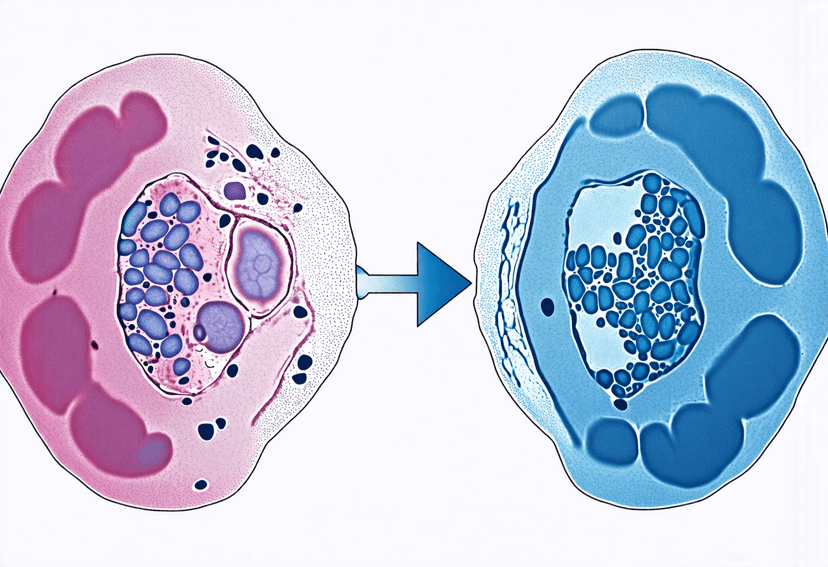
Radiation therapy for urinary bladder carcinoma is a treatment that uses high-energy radiation to target and destroy cancer cells in the bladder. This non-invasive approach aims to shrink tumors, kill cancer cells, and prevent the spread of the disease while preserving as much of the bladder’s function as possible.
Procedure Overview:
- Consultation and Planning: The process begins with a detailed consultation and planning session with a radiation oncologist. Imaging studies such as CT scans, MRI, or PET scans are used to map the precise location and size of the tumor.
- Simulation: During simulation, the patient is positioned in a way that will be used during treatment, and skin markers or a custom mold may be created to ensure consistent positioning.
- Treatment Sessions: The therapy typically involves external beam radiation, where a machine directs radiation beams at the bladder. Treatment is usually given five days a week over several weeks, with each session lasting only a few minutes.
Preparation:
- Preparation includes a comprehensive medical evaluation, imaging studies, and sometimes bladder filling protocols to help stabilize the bladder's position. Patients are also advised on dietary and lifestyle adjustments to minimize side effects.
Recovery:
- Recovery from each radiation session is immediate, as the treatment is non-invasive. However, side effects can develop over time, including fatigue, bladder irritation, frequent urination, and sometimes bowel discomfort. These effects are generally managed with medications and supportive care.
- Regular follow-up appointments are crucial to monitor the patient's response to treatment and manage any side effects.
Outcomes:
- The effectiveness of radiation therapy for bladder cancer depends on the cancer’s stage and the patient's overall health. When used appropriately, it can effectively control the tumor, reduce symptoms, and improve quality of life.
- Radiation therapy can be curative for early-stage cancers and palliative for advanced cancers, helping to manage symptoms and slow disease progression.
Radiation therapy for urinary bladder carcinoma provides a targeted approach to treat bladder cancer, offering a balance between effectiveness and preservation of bladder function, with a focus on improving patient outcomes and quality of life.
4.0
95% Dinilai Nilai untuk Uang
Mengapa Memilih kami?

99%
Tingkat Keberhasilan

3+
Terapi Radiasi Karsinoma Kandung Kemih Ahli Bedah

0
Terapi Radiasi Karsinoma Kandung Kemih

3+
Rumah Sakit di Seluruh Dunia

0
Hidup yang tersentuh
Ikhtisar
Radiation therapy for urinary bladder carcinoma is a treatment that uses high-energy radiation to target and destroy cancer cells in the bladder. This non-invasive approach aims to shrink tumors, kill cancer cells, and prevent the spread of the disease while preserving as much of the bladder’s function as possible.
Procedure Overview:
- Consultation and Planning: The process begins with a detailed consultation and planning session with a radiation oncologist. Imaging studies such as CT scans, MRI, or PET scans are used to map the precise location and size of the tumor.
- Simulation: During simulation, the patient is positioned in a way that will be used during treatment, and skin markers or a custom mold may be created to ensure consistent positioning.
- Treatment Sessions: The therapy typically involves external beam radiation, where a machine directs radiation beams at the bladder. Treatment is usually given five days a week over several weeks, with each session lasting only a few minutes.
Preparation:
- Preparation includes a comprehensive medical evaluation, imaging studies, and sometimes bladder filling protocols to help stabilize the bladder's position. Patients are also advised on dietary and lifestyle adjustments to minimize side effects.
Recovery:
- Recovery from each radiation session is immediate, as the treatment is non-invasive. However, side effects can develop over time, including fatigue, bladder irritation, frequent urination, and sometimes bowel discomfort. These effects are generally managed with medications and supportive care.
- Regular follow-up appointments are crucial to monitor the patient's response to treatment and manage any side effects.
Outcomes:
- The effectiveness of radiation therapy for bladder cancer depends on the cancer’s stage and the patient's overall health. When used appropriately, it can effectively control the tumor, reduce symptoms, and improve quality of life.
- Radiation therapy can be curative for early-stage cancers and palliative for advanced cancers, helping to manage symptoms and slow disease progression.
Radiation therapy for urinary bladder carcinoma provides a targeted approach to treat bladder cancer, offering a balance between effectiveness and preservation of bladder function, with a focus on improving patient outcomes and quality of life.



Dokter

4.0
Konsultasikan di:


4.0
Konsultasikan di:

4.0
Konsultasikan di: