Paket mulai dari
$3000
Butuh bantuan dalam memilih paket yang tepat untuk perjalanan medis Anda?
Data kesehatan Anda dilindungi bersama kami
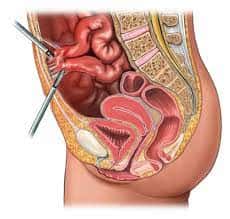
Mengubah Kehidupan dengan Adhesiolisis Laparoskopi
Laparoscopic adhesiolysis is a minimally invasive surgical procedure designed to remove adhesions (bands of scar tissue) within the abdominal or pelvic cavity. Adhesions can form as a result of previous surgeries, infections, or inflammatory conditions such as endometriosis, and can cause chronic pain, bowel obstructions, and infertility. This procedure uses a laparoscope (a thin tube with a camera) and specialized instruments to locate and carefully cut away the adhesions, restoring normal organ function and alleviating symptoms.
Procedure Overview:
Preoperative Preparation:
- Comprehensive medical evaluation, including a review of medical history, physical examination, and imaging studies like ultrasound, CT scan, or MRI to locate adhesions.
- Discussion of potential risks, benefits, and alternatives with the surgical team.
Surgical Steps:
- Anesthesia: General anesthesia is administered to ensure the patient is asleep and pain-free throughout the procedure.
- Incisions: Small incisions (typically 0.5 to 1 cm) are made in the abdomen to insert the laparoscope and surgical instruments.
- Laparoscope Insertion: The laparoscope is inserted through one of the incisions, providing a magnified view of the internal organs on a monitor.
- Adhesion Removal: Using specialized instruments inserted through the additional incisions, the surgeon carefully dissects and removes the adhesions, taking care to minimize damage to surrounding tissues.
- Closure: The incisions are closed with sutures or surgical glue, and a sterile dressing is applied.
Preparation:
- Medical Evaluation: Comprehensive assessments, including imaging studies and laboratory tests, to plan the surgery.
- Pre-Surgery Instructions: Guidelines on fasting, medication adjustments, and specific preoperative preparations.
- Counseling: Discussion of the procedure, potential risks, and expected outcomes with the surgical team.
Recovery:
- Hospital Stay: Most patients can go home the same day or after an overnight stay, depending on individual recovery and the complexity of the surgery.
- Postoperative Care: Pain management, use of prescribed medications, and guidance on wound care.
- Activity Restrictions: Avoiding heavy lifting and strenuous activities for several weeks, with a gradual return to normal activities.
- Follow-Up: Regular follow-up appointments to monitor healing and address any concerns.
Outcomes:
- Effectiveness: Laparoscopic adhesiolysis is highly effective in relieving pain, resolving bowel obstructions, and improving fertility.
- Prognosis: Most patients experience significant symptom relief and improved quality of life.
- Long-Term Benefits: Minimally invasive approach leads to quicker recovery, less postoperative pain, and minimal scarring compared to open surgery.
Laparoscopic adhesiolysis is a valuable procedure for managing adhesions, offering significant benefits through a minimally invasive approach that promotes faster recovery and improved overall outcomes.
5.0
91% Dinilai Nilai untuk Uang
Mengapa Memilih kami?

98%
Tingkat Keberhasilan

0
Adhesiolisis Laparoskopi Ahli Bedah

0
Adhesiolisis Laparoskopi

0
Rumah Sakit di Seluruh Dunia

0
Hidup yang tersentuh
Ikhtisar
Laparoscopic adhesiolysis is a minimally invasive surgical procedure designed to remove adhesions (bands of scar tissue) within the abdominal or pelvic cavity. Adhesions can form as a result of previous surgeries, infections, or inflammatory conditions such as endometriosis, and can cause chronic pain, bowel obstructions, and infertility. This procedure uses a laparoscope (a thin tube with a camera) and specialized instruments to locate and carefully cut away the adhesions, restoring normal organ function and alleviating symptoms.
Procedure Overview:
Preoperative Preparation:
- Comprehensive medical evaluation, including a review of medical history, physical examination, and imaging studies like ultrasound, CT scan, or MRI to locate adhesions.
- Discussion of potential risks, benefits, and alternatives with the surgical team.
Surgical Steps:
- Anesthesia: General anesthesia is administered to ensure the patient is asleep and pain-free throughout the procedure.
- Incisions: Small incisions (typically 0.5 to 1 cm) are made in the abdomen to insert the laparoscope and surgical instruments.
- Laparoscope Insertion: The laparoscope is inserted through one of the incisions, providing a magnified view of the internal organs on a monitor.
- Adhesion Removal: Using specialized instruments inserted through the additional incisions, the surgeon carefully dissects and removes the adhesions, taking care to minimize damage to surrounding tissues.
- Closure: The incisions are closed with sutures or surgical glue, and a sterile dressing is applied.
Preparation:
- Medical Evaluation: Comprehensive assessments, including imaging studies and laboratory tests, to plan the surgery.
- Pre-Surgery Instructions: Guidelines on fasting, medication adjustments, and specific preoperative preparations.
- Counseling: Discussion of the procedure, potential risks, and expected outcomes with the surgical team.
Recovery:
- Hospital Stay: Most patients can go home the same day or after an overnight stay, depending on individual recovery and the complexity of the surgery.
- Postoperative Care: Pain management, use of prescribed medications, and guidance on wound care.
- Activity Restrictions: Avoiding heavy lifting and strenuous activities for several weeks, with a gradual return to normal activities.
- Follow-Up: Regular follow-up appointments to monitor healing and address any concerns.
Outcomes:
- Effectiveness: Laparoscopic adhesiolysis is highly effective in relieving pain, resolving bowel obstructions, and improving fertility.
- Prognosis: Most patients experience significant symptom relief and improved quality of life.
- Long-Term Benefits: Minimally invasive approach leads to quicker recovery, less postoperative pain, and minimal scarring compared to open surgery.
Laparoscopic adhesiolysis is a valuable procedure for managing adhesions, offering significant benefits through a minimally invasive approach that promotes faster recovery and improved overall outcomes.