Paket mulai dari
$11000
Butuh bantuan dalam memilih paket yang tepat untuk perjalanan medis Anda?
Data kesehatan Anda dilindungi bersama kami
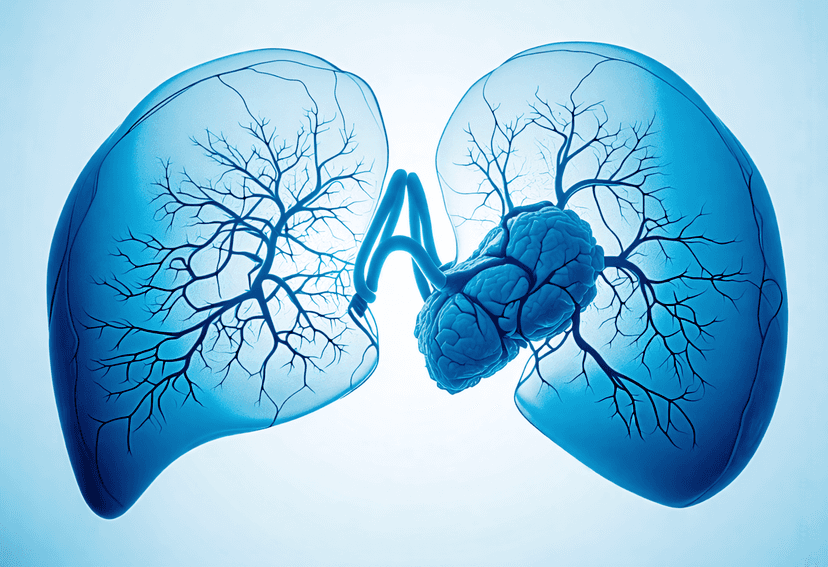
Mengubah Kehidupan dengan Operasi hepatektomi (sirosis hati)
Hepatectomy is a surgical procedure that involves the removal of a portion of the liver. It's typically employed in cases where the liver has been affected by conditions such as tumors, metastatic cancer, or other localized liver diseases. In the context of liver cirrhosis, hepatectomy might be performed if there is a need to remove a section of the liver due to complications such as liver cancer, which is a common development in the later stages of cirrhosis.
Key Aspects of Hepatectomy for Liver Cirrhosis:
- Purpose: While hepatectomy is not a treatment for cirrhosis itself, it is used to address complications arising from cirrhosis, particularly liver cancer.
- Procedure: The surgery involves the surgical removal of part of the liver. Since the liver has the unique ability to regenerate, a significant portion can be safely removed if the remaining liver is healthy enough. The exact amount removed depends on the liver's condition and the location and size of the tumor or damaged tissue.
- Techniques: Hepatectomy can be performed using traditional open surgery or through minimally invasive techniques such as laparoscopic surgery, which involves smaller incisions and typically results in quicker recovery times.
- Recovery: Post-operative recovery varies widely. Factors include the extent of the surgery, the patient’s overall health, and the remaining liver’s ability to function. Recovery in the hospital can last from a few days to a week, with several months needed for full recovery.
- Risks and Considerations: Hepatectomy carries risks such as bleeding, infection, and complications related to liver function. Careful pre-surgical evaluation and post-surgical monitoring are critical, especially considering the compromised condition of the liver in cirrhotic patients.
Hepatectomy for cirrhotic patients is a complex decision that involves weighing the benefits of removing diseased tissue against the risks of reduced liver function post-operation. This procedure is often coordinated by a team of specialists in liver disease, surgery, and oncology.
5.0
95% Dinilai Nilai untuk Uang
Mengapa Memilih kami?

97%
Tingkat Keberhasilan

4+
Operasi hepatektomi (sirosis hati) Ahli Bedah

11+
Operasi hepatektomi (sirosis hati)

4+
Rumah Sakit di Seluruh Dunia

14+
Hidup yang tersentuh
Ikhtisar
Hepatectomy is a surgical procedure that involves the removal of a portion of the liver. It's typically employed in cases where the liver has been affected by conditions such as tumors, metastatic cancer, or other localized liver diseases. In the context of liver cirrhosis, hepatectomy might be performed if there is a need to remove a section of the liver due to complications such as liver cancer, which is a common development in the later stages of cirrhosis.
Key Aspects of Hepatectomy for Liver Cirrhosis:
- Purpose: While hepatectomy is not a treatment for cirrhosis itself, it is used to address complications arising from cirrhosis, particularly liver cancer.
- Procedure: The surgery involves the surgical removal of part of the liver. Since the liver has the unique ability to regenerate, a significant portion can be safely removed if the remaining liver is healthy enough. The exact amount removed depends on the liver's condition and the location and size of the tumor or damaged tissue.
- Techniques: Hepatectomy can be performed using traditional open surgery or through minimally invasive techniques such as laparoscopic surgery, which involves smaller incisions and typically results in quicker recovery times.
- Recovery: Post-operative recovery varies widely. Factors include the extent of the surgery, the patient’s overall health, and the remaining liver’s ability to function. Recovery in the hospital can last from a few days to a week, with several months needed for full recovery.
- Risks and Considerations: Hepatectomy carries risks such as bleeding, infection, and complications related to liver function. Careful pre-surgical evaluation and post-surgical monitoring are critical, especially considering the compromised condition of the liver in cirrhotic patients.
Hepatectomy for cirrhotic patients is a complex decision that involves weighing the benefits of removing diseased tissue against the risks of reduced liver function post-operation. This procedure is often coordinated by a team of specialists in liver disease, surgery, and oncology.



Dokter

4.0
Konsultasikan di:


5.0
Konsultasikan di:

5.0
Konsultasikan di:

5.0
Konsultasikan di: